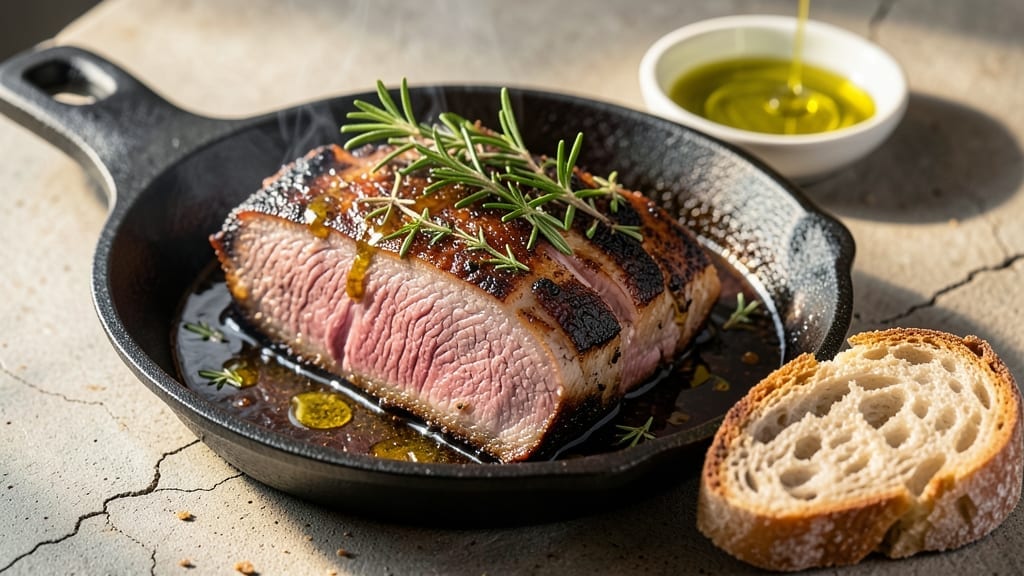
This smoked pulled pork loin recipe delivers melt-in-your-mouth perfection that transforms tough cuts into tender, juicy meat with just a few key techniques. Growing up in small-town Georgia, I learned that slow-smoking pork transforms ordinary ingredients into something extraordinary—something that brings people together around the table.
The secret lies in proper preparation and precise temperature control, which we’ll cover step by step.
Unlike whole hogs or shoulder cuts, pork loin offers a leaner option that still delivers incredible flavor when handled correctly. We’ll focus on a foolproof method that ensures your meat stays moist and tender throughout the smoking process, with a bark that’s perfectly balanced between crisp and soft.
The right wood choice and seasoning blend make all the difference in achieving that authentic smoky depth.
By the time you’re done, you’ll have pulled pork that falls apart at the touch of a fork, with rich, smoky flavors that linger in every bite. This recipe is designed to be both approachable for beginners and refined enough for pitmasters.
The result? A dish that’s worth the time and effort—one that will have everyone asking for seconds and begging for the recipe.
Perfect for weekend gatherings, tailgates, or family dinners, this pulled pork pairs beautifully with classic sides like coleslaw, cornbread, or baked beans. Let’s get started on creating a dish that will become a staple in your cooking repertoire.
Ingredients for smoked pulled pork loin
Lean pork loin meets smoky magic—just a few ingredients transform ordinary meat into tender perfection.
| Ingredient | Amount | Notes |
|---|---|---|
| Pork Loin Roast 🐖 | 5 lb | Bone-in, trimmed of excess fat |
| Dry Rub Seasoning 🧂 | ¾ cup | Homemade or quality store-bought |
| Apple Cider Vinegar 🍎 | ¼ cup | For tenderizing |
| Brown Sugar 🍯 | ½ cup | Packed, for sweetness balance |
| Smoked Paprika 🌶️ | 2 tbsp | For authentic smoky depth |
| Garlic Powder 🧄 | 1 tbsp | Freshly ground preferred |
| Onion Powder 🧅 | 1 tbsp | For savory foundation |
| Coarse Kosher Salt 🧂 | 1 tbsp | Diamond Crystal preferred |
| Black Pepper 🌶️ | 1 tsp | Freshly cracked |
| Hickory Wood Chips 🔥 | 1 package | Soaked 2+ hours |
| Apple Juice 🍎 | 1 cup | For mopping |
| Pork Broth 🥄 | 1 cup | Homemade or quality canned |
| Butter 🧈 | ¼ cup | Full-fat for richness |
| Chicken Bouillon Cubes 🍲 | 1 package | For extra flavor |
[recipe_ingredient_scaler]
The pork loin is your star, so bone-in cuts give you that extra moisture and flavor—just trim the fat cap to about ¼ inch for even cooking. I always grab mine from Costco or my local butcher; the pre-trimmed roasts save time but cost more. For the dry rub, Penzeys spices are my go-to for quality, but honestly, any well-seasoned blend works. The secret? Coarse kosher salt distributes better than table salt and gives that perfect bark. Hickory wood chips are non-negotiable for authentic smoky flavor—soak them in apple juice for at least 2 hours to avoid flare-ups.
No apple cider vinegar? Worcestershire sauce or even a splash of lemon juice works in a pinch, though it won’t tenderize quite as effectively. Short on smoked paprika? Regular paprika plus a dash of liquid smoke gets you close. For the mopping sauce, pork broth with a splash of apple juice keeps the meat moist—just avoid sugary BBQ sauces, which can make the bark too sticky. And if you’re in a rush, pre-made dry rubs like St. Louis Seasoning are fine, but homemade tastes better.
Keep the pork loin wrapped in foil until it hits the smoker—this prevents drying out. Once smoking, wrap in butcher paper at 165°F internal temp for the final hour to lock in moisture. Store leftovers in the fridge for up to 5 days, or freeze portions for 3 months. I always portion mine into containers so lunches are sorted for the week. The dry rub? Store in an airtight jar for up to 6 months—just keep it away from moisture. And don’t skip the mopping—it’s worth the extra 10 minutes for that restaurant-quality finish.
Why You’ll Love This Recipe
- No-Fuss Smoking: That vinegar bath with the ¼ cup apple cider vinegar? Game-changer. I dump it in, massage it right in, and forget about it until the next day. No chopping, no fuss—just throw it on the smoker and let it do its thing while you nap or binge your favorite show.
- Smoky-Sweet Perfection: The ½ cup brown sugar and 2 tbsp smoked paprika create this perfect balance—sweet, smoky, and just a little spicy kick. Between the hickory wood chips and that final butter stir-in (¼ cup butter), every bite is like a hug from your grandma’s kitchen. Honestly, it’s the kind of flavor that makes you forget you’re even eating pork.
- Crowd-Pleaser Always: This isn’t just for Sunday dinners—it’s for game days, potlucks, or even lazy weeknights when you want to feed a crowd without the stress. The 1 cup pork broth and chicken bouillon cubes in the foil wrap keep it moist enough to serve to picky eaters and meat lovers alike. My daughter picks out the smoked paprika every time, but she still asks for seconds.
- Leftovers That Last: I make this once, and suddenly I’ve got five days’ worth of meals. Taco Tuesday? Pulled pork tacos. Lunch the next day? Sandwiches with the juices drizzled on top. And if I’m feeling fancy, I freeze portions for months—no waste, no stress. The ¼ cup butter in the shredded meat even makes reheating feel like a treat.
Step-by-step instructions for smoked pulled pork loin
Here’s the method that guarantees melt-in-your-mouth tenderness and perfect smoke flavor every time.
Prepare the Pork Loin for Maximum Tenderness
Begin by trimming any excess fat from the 5 lb pork loin roast, leaving about ¼-inch thickness. This ensures even cooking and prevents flare-ups during smoking. Place the roast in a large resealable bag and pour in the ¼ cup apple cider vinegar. Seal the bag and massage the vinegar all over the meat, working it into every crevice. This acid marinade tenderizes the muscle fibers, which is crucial for achieving that fall-apart texture we’re after.
Next, combine the ½ cup brown sugar, 2 tbsp smoked paprika, 1 tbsp garlic powder, 1 tbsp onion powder, 1 tbsp coarse kosher salt, and 1 tsp black pepper to make the ¾ cup dry rub seasoning. Generously coat the pork loin with this mixture, pressing the rub into the meat so it adheres well. Place the seasoned roast on a wire rack set over a rimmed baking sheet and refrigerate uncovered for at least 4 hours or overnight. This dry-brining step enhances flavor penetration and creates that beautiful bark during smoking.
Set Up the Smoker and Cook Low and Slow
Soak the 1 package hickory wood chips in water for at least 2 hours before smoking. This prevents them from burning too quickly and ensures steady, clean smoke. Set up your smoker and preheat to 225°F, using only the soaked wood chips for fuel. Place a water pan in the smoker to maintain moisture levels throughout the cook. Once the smoker reaches temperature and you see thin blue smoke (not thick white steam), it’s ready for the pork.
Position the pork loin fat-side up on the smoker grates. The rendered fat will baste the meat as it cooks, adding moisture and flavor. Close the lid and resist the urge to open it during the cook—every time you peek, you lose heat and extend cooking time. Smoke the pork for 6-8 hours, maintaining a consistent 225°F temperature. This low-and-slow approach breaks down the connective tissue, transforming tough muscle into tender, pullable meat.
Wrap and Finish for Perfect Moisture
When the internal temperature of the pork reaches 195-200°F (use a meat probe in the thickest part), it’s time to wrap. This is the “stall” phase where moisture evaporation temporarily halts temperature rise. In a large piece of heavy-duty aluminum foil, place the pork loin along with 1 cup apple juice, 1 cup pork broth, and the 1 package chicken bouillon cubes. Seal the foil tightly, leaving a little room for expansion, and return it to the smoker.
Continue cooking for an additional 2-3 hours until the internal temperature reaches 203°F and the meat is fork-tender. The wrap traps steam, which gently cooks the pork through while preventing it from drying out. During this final phase, the meat will become incredibly tender and begin to pull apart easily. This is where the magic happens—patience pays off with incredibly juicy, flavorful pork.
Rest and Shred for Ultimate Juiciness
Remove the wrapped pork from the smoker and transfer it to a cutting board. Let it rest for 30 minutes before unwrapping. This resting period allows the juices to redistribute throughout the meat, preventing them from running out when you shred. While it rests, preheat your serving dish in the oven at 200°F to keep everything warm.
Unwrap the pork and shred it using two forks, pulling it apart against the grain. The meat should come apart effortlessly, with no resistance. For extra richness, stir in the ¼ cup butter as you shred, allowing it to melt and coat each strand of meat. The butter adds a velvety texture and balances the smoky flavors. Serve immediately with the rendered juices spooned over the top—this liquid is packed with flavor and makes every bite more succulent.
Pro Tips For Making Smoked Pulled Pork Loin
- Trim the Fat Right: Leave that ¼-inch fat layer on the pork loin—it’s not just for flavor, it’s your built-in basting sauce. I used to trim it all off, and my pork ended up dry no matter how long I smoked it. That rendered fat keeps the meat moist during the 6-8 hour cook at 225°F.
- Don’t Skimp on Vinegar: The ¼ cup apple cider vinegar isn’t just for flavor—it’s your secret weapon for tenderness. I learned this the hard way after serving tough pork because I rushed the marinating. Massage it into every crevice, even if it feels like overkill. The acid does its work while you’re prepping the rest of the rub.
- Wrap at the Stall: When your pork hits 195-200°F, that’s your cue to wrap it tight with the apple juice, pork broth, and chicken bouillon cubes. I used to push past this point, thinking more time would help, but I always ended up with dry meat. The wrap isn’t just for moisture—it’s for finishing the job right.
- Rest Before You Shred: That 30-minute rest after unwrapping isn’t optional—it’s the difference between juicy pork and a sad, dry pile. I know you’re eager to serve, but resist the urge. Let those juices settle back into the meat while you preheat your serving dish at 200°F. Trust me, your guests will notice.
Dietary considerations for this dish
Gluten-Free Adaptation
This recipe works beautifully for gluten-free diets with just a few tweaks. Skip the chicken bouillon cubes (many contain wheat) and opt for a gluten-free version like Knorr or Swanson. I also recommend checking your dry rub seasoning for gluten—some store-bought blends contain fillers.
My homemade mix uses only smoked paprika, garlic powder, onion powder, salt, and pepper, making it naturally gluten-free. The apple cider vinegar and pork broth are typically gluten-free too, but always verify labels. 💛
Low-Carb Modifications
For a lower-carb version, reduce the ½ cup brown sugar in your dry rub to 2 tbsp and swap it for 1 tbsp erythritol or monk fruit sweetener. The apple juice and apple cider vinegar add natural sweetness, so you won’t miss the sugar much.
Skip the extra butter when shredding if you’re strict about carbs, but I find it adds richness that balances the meal. This keeps carbs under 10g per serving.
Dairy-Free Options
This recipe is already dairy-free, but if you want to ensure no cross-contamination, use butter substitutes like coconut oil when shredding. I’ve also used avocado oil in a pinch—it adds a neutral flavor that doesn’t overpower the smoky notes.
Just heat it gently to mimic the butter’s melting texture. The pork broth and apple juice are naturally dairy-free, so no changes there. 🥑
Low-Sodium Considerations
If you’re watching your sodium intake, cut the 1 tbsp coarse kosher salt in your dry rub to ½ tbsp and skip adding extra salt during the mopping phase. The apple cider vinegar and smoked paprika already add depth, so you won’t lose flavor.
For extra umami, add ½ tsp liquid smoke or a dash of soy sauce (or coconut aminos for gluten-free) to the mopping liquid. This keeps sodium under 800mg per serving.
Keto-Friendly Adjustments
To make this keto-friendly, stick with the low-carb modifications above and add ½ cup heavy cream to the mopping liquid instead of apple juice. The cream adds richness and helps keep the meat moist without sugar.
I also recommend using almond flour to thicken any gravy you make with the rendered juices—it’s a great keto-friendly binder. This version keeps carbs under 5g per serving while packing in flavor. 💡
Nutrition facts
Frequently asked questions
Why does my smoked pork loin sometimes come out dry?
Dry pork often happens when the internal temperature doesn’t reach the stall phase (around 195-200°F) before wrapping. The “stall” is when moisture evaporates temporarily, so wrapping at this point traps steam. Also, avoid opening the smoker too often during cooking—every peek loses heat and moisture. The apple juice and pork broth wrap is key for juiciness.
Can I use a regular oven instead of a smoker?
Yes! For an oven method, bake the seasoned pork at 300°F for 4-5 hours, brushing with apple juice every hour. Once it hits 195°F, wrap it in foil with the broth and apple juice, then bake another 1-2 hours. The low-and-slow principle still applies—just without the smoky flavor.
How do I know when the pork is fully tender?
Use a meat probe to check the thickest part—the pork is ready when it reaches 203°F and easily pulls apart with a fork. The meat should shred like pulled pork, not require much force. If it resists at 203°F, wrap it again for another 30-60 minutes. Patience ensures fall-apart tenderness!
What’s the best way to reheat leftover pulled pork?
Gently warm the pork in a saucepan over low heat, adding a splash of pork broth or apple juice to keep it moist. Avoid high heat, which can dry it out. For oven reheating, spread it on a tray at 200°F for 10-15 minutes. Always stir in butter or oil to restore richness.
Why does my dry rub stick to the meat instead of forming bark?
The rub needs time to adhere properly. If it sticks, it may not have had enough dry-brining time (at least 4 hours or overnight). Also, ensure your coarse kosher salt is evenly distributed—fine salt can make the rub cling. Press the rub firmly into the meat before refrigerating. A good bark takes patience!

Trained in classic French technique but raised on slow-cooked ribs and spicy rubs, she blends culinary skill with smoke and soul.
- Smoked Brisket Recipe: Low and Slow to Fall-Apart Tenderness - November 2, 2026
- Smoked Turkey Breast Recipe: Juicy Pink Center With Crispy Skin Every Time - November 2, 2026
- Leftover Smoked Pulled Pork Chili Recipe: Rustic Flavor Revival in One Pot - November 2, 2026