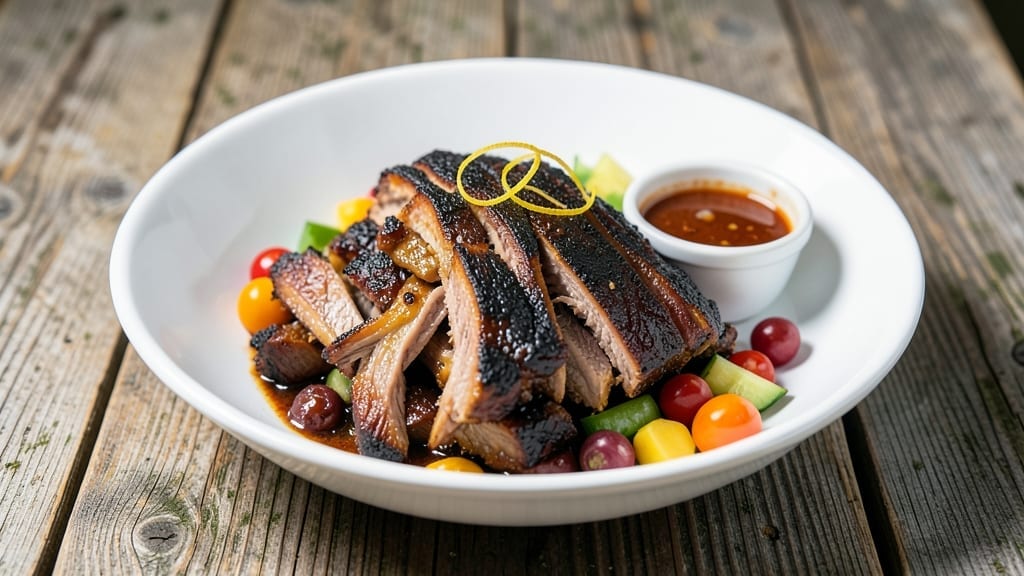
Mastering smoked pulled pork in an electric smoker transforms tough pork shoulder into melt-in-your-mouth perfection with minimal effort. I’ve perfected this method after years of testing—no need for a wood-burning setup when electric smokers deliver consistent, restaurant-quality results.
The key lies in precise temperature control and patience, ensuring tender meat that falls apart at the touch of a fork.
This recipe relies on a simple dry rub and the electric smoker’s ability to maintain steady heat, typically around 225°F, for 8-10 hours. The slow process breaks down collagen, turning tough cuts into succulent, flavorful pulled pork.
No fancy equipment is needed—just a reliable smoker, a good thermometer, and a little time. The result? Juicy, smoky pork with a deep bark that’s impossible to resist.
Once smoked, the pork shreds effortlessly, ready to be piled high on buns, mixed into tacos, or served as a hearty sandwich filling. The beauty of this method is its versatility—leftovers reheat beautifully, making it perfect for meal prep or feeding a crowd.
Every bite delivers that satisfying pull-apart tenderness, proving low-and-slow cooking doesn’t require a traditional smoker.
For those new to electric smokers, I’ll walk you through setup, monitoring, and troubleshooting common issues like temperature fluctuations. Whether you’re a beginner or a seasoned smoker, this recipe delivers foolproof, tender pulled pork with minimal fuss. Let’s get started!
Ingredients for smoked pulled pork recipe electric smoker
A few key ingredients transform tough pork into restaurant-quality pulled perfection using just an electric smoker.
| Ingredient | Amount | Notes |
|---|---|---|
| Pork Shoulder (Bone-In) 🥩 | 6 lb | 1.5-inch thick cut, trimmed of excess fat |
| Yellow Mustard 🍯 | ¼ cup | For initial coating (Dijon preferred) |
| Brown Sugar 🍚 | ½ cup | Light or dark variety |
| Smoked Paprika 🌶️ | 2 tbsp | For deep smoky flavor |
| Garlic Powder 🧄 | 1 tbsp | Freshly ground preferred |
| Onion Powder 🧅 | 1 tbsp | For balanced sweetness |
| Ground Black Pepper 🌶️ | 1 tsp | Freshly cracked preferred |
| Kosher Salt 🧂 | 1 ½ tbsp | Diamond Crystal preferred |
| Apple Cider Vinegar 🍎 | ¼ cup | For bark development |
| Wood Chips (Hickory or Oak) 🌳 | 1 package | Soaked for 1 hour minimum |
| Butter (Unsalted) 🧈 | ½ cup | Cold, for finishing |
| Fresh Parsley 🌿 | ¼ cup | Chopped, for garnish |
| BBQ Sauce (Optional) 🍅 | 1 cup | For serving or finishing |
[recipe_ingredient_scaler]
The pork shoulder is non-negotiable—bone-in stays juicier than boneless. Look for cuts with good marbling at Costco or local butchers, where they often sell it pre-cut for smokers. Trimming excess fat (leave about 1/4-inch) prevents flare-ups in your electric smoker. If you can’t find bone-in, bone-out with skin is the next best option. The 1.5-inch thickness ensures even cooking without drying out. For a crowd, buy two 6-lb shoulders—one for leftovers, one for immediate serving.
No smoked paprika? Regular paprika plus a pinch of liquid smoke works, but you’ll lose that authentic bark depth. The brown sugar is crucial—light brown gives subtle caramelization, while dark adds more molasses flavor. Short on time? Substitute 1 tbsp molasses for the vinegar, though the bark won’t be as crisp. For the wood chips, hickory delivers classic BBQ flavor, while oak adds a milder, fruitier note. Soak them in water for at least an hour before using—never skip this step or your smoker will smoke up your house instead of your meat. The butter at the end? Non-negotiable—it melts into the pork, adding richness that store-bought sauces can’t match.
This pork reheats like a dream—wrap tightly in foil and warm in a 300°F oven for 20-30 minutes, or microwave in 1-minute bursts with a splash of broth. Keeps 5 days refrigerated or 3 months frozen when portioned into airtight containers. I always make double batches: one for tacos the first night, one for sandwiches the next. The bark gets crispier after resting, so wait 30 minutes before serving. For meal prep, shred and store in the fridge—just add BBQ sauce when ready to eat. The flavors deepen overnight, making leftovers even more delicious.
Why You’ll Love This Recipe
- No-Fuss Prep: Honestly, the mustard-and-rub combo means I’m not chopping herbs or mincing garlic for hours—just slather, sprinkle, and refrigerate. That overnight step? Game-changer. The pork absorbs all that sweetness from the brown sugar and smoky kick from the paprika while I sleep.
- Chewy Bark, Creamy Center: That crispy edge from the smoked paprika and salt? Chef’s kiss. But the real magic happens when you wrap it in foil with apple cider vinegar—it tenderizes the meat until it shreds like butter. Toss it with cold butter at the end, and you’ve got that perfect balance of smoky, tangy, and rich in every bite.
- Leftovers? Yes, Please: I double the recipe for game days or lazy Sundays, and it keeps perfectly for 5 days in the fridge. Freeze portions, and you’ve got a secret weapon for busy weeknights. Reheat in a skillet with a splash of water, and it’s still juicy and flavorful—no sad, dry pulled pork here.
- Budget-Friendly Feast: A 6-pound pork shoulder feeds a crowd for under $20, and you’re using pantry staples like brown sugar and kosher salt. The wood chips add that smoky depth, but even if you skip them, the garlic powder and onion powder still give it serious flavor. My kids won’t even notice the budget—just that it’s their favorite.
Step-by-step instructions for smoked pulled pork
Here’s how to transform a tough pork shoulder into melt-in-your-mouth pulled pork using just your electric smoker.
Prepare the Pork Shoulder for Smoking
Start by trimming any excess fat from the pork shoulder, leaving about ¼-inch thickness. The goal is to keep enough fat for moisture but not so much that it interferes with smoke penetration. Pat the entire surface dry with paper towels—this helps the rub adhere better and creates that coveted bark later.
In a small bowl, combine the ½ cup brown sugar, 2 tablespoons smoked paprika, 1 tablespoon each of garlic powder and onion powder, 1 teaspoon ground black pepper, and 1½ tablespoons kosher salt. Mix well until the spices are evenly distributed. This dry rub is the flavor foundation for your pulled pork.
Generously coat the pork shoulder with the ¼ cup yellow mustard, then press the spice mixture firmly into every inch of the meat. The mustard acts as a binder and helps create a better bark. Wrap the seasoned pork in plastic wrap and refrigerate for at least 4 hours, or preferably overnight—this allows the rub to penetrate deeply and the meat to come closer to room temperature before smoking.
Set Up and Smoke the Pork Shoulder
Soak the wood chips in water for at least 1 hour before using. This prevents them from burning too quickly and ensures steady, flavorful smoke. Load the soaked wood chips into your electric smoker and set the temperature to 225°F. Let the smoker preheat for 15-20 minutes until you see clean, blue smoke—this is your signal that it’s ready.
Place the pork shoulder fat-side up on the smoker grate. The fat will render slowly and baste the meat as it cooks, keeping it moist. Close the lid and resist the urge to peek—every time you open it, you lose heat and add unnecessary time to the cooking process. This is where patience pays off; low and slow is the key to tender pulled pork.
Smoke the pork shoulder for about 6-8 hours, or until the internal temperature reaches 165°F. The bark should be dark and crusty, and the meat should pull apart easily with tongs. If the temperature stalls around 160°F, it’s normal—this is the “stall” where moisture evaporates. Don’t worry; it will continue cooking as the temperature rises again.
Wrap and Finish the Pork
Once the pork reaches 165°F, remove it from the smoker and transfer it to a large piece of aluminum foil. Add the ¼ cup apple cider vinegar to the foil, then wrap the pork tightly, sealing all edges. The vinegar helps break down the collagen and adds a subtle tang to the meat. Return the wrapped pork to the smoker and continue cooking until the internal temperature reaches 203°F—this ensures the meat is fork-tender and ready to pull.
This final stage usually takes an additional 2-3 hours. The wrapped pork will steam gently, which helps tenderize the meat further. Check the temperature periodically, and avoid opening the smoker too often. When the pork is done, remove it from the smoker and let it rest for 15-20 minutes before pulling. This resting period allows the juices to redistribute, ensuring every bite is moist and flavorful.
Pull and Serve the Pork
Using two forks or a pair of tongs, gently pull the pork apart into shreds. Discard any large pieces of fat or connective tissue. The pork should fall apart easily, with no resistance. If it’s still tough in spots, return it to the smoker for an additional 30 minutes and check the temperature again.
For serving, mix the pulled pork with the ½ cup cold butter and toss gently to coat. This adds richness and helps distribute the flavors evenly. Garnish with the ¼ cup chopped fresh parsley and serve with the optional 1 cup BBQ sauce on the side for dipping or drizzling over the top. The pulled pork is best served immediately, but you can reheat leftovers in a skillet with a splash of water or broth to keep it moist.
Pro Tips For Making Smoked Pulled Pork Recipe Electric Smoker
- Trim That Fat Right: Leave a thin ¼-inch layer of fat—it’s the self-basting sauce for your pork. I used to go overboard trimming, and the meat dried out faster than my patience on a long drive. That fat melts into flavor as it cooks.
- Mustard First, Rub Second: Slather the yellow mustard before pressing on the spice mix—it sticks the rub like glue and guarantees that deep, smoky bark. I skipped this once and ended up with half the rub sliding off like I’d coated it in butter instead.
- Stall? Don’t Panic: When the internal temp hits 160°F and stops climbing, that’s the stall—normal, not a failure. Wrap it in foil with the apple cider vinegar and let it steam through. I fought it for hours before realizing the smoker was doing its job.
- Cold Butter Finish: Toss the pulled pork with cold unsalted butter right after pulling—it melts into every strand for a velvety texture. Warm butter? It’ll turn greasy faster than your smoker loses heat. Trust me, your sandwiches will thank you.
Wine and beer pairings for these flavors
Bold Red Wines
For a classic pairing, reach for a bold red wine like Aglianico from Campania or Montepulciano d’Abruzzo. These Italian wines have enough body and acidity to stand up to the smoky, tangy flavors of pulled pork.
I like the Aglianico del Taburno Riserva—it has dark fruit notes that complement the pork beautifully. The tannins also cut through the richness, balancing each bite. 🍷
Smoky Malbec
A Argentinian Malbec is another fantastic choice—look for one from Mendoza like Catena Zapata. The wine’s dark fruit and smoky undertones mirror the flavors in your pulled pork, creating a harmonious match.
I’ve found that a medium-bodied Malbec works better than a full-bodied one, as it doesn’t overpower the dish. Serve it slightly chilled to enhance its aromatics.
Craft Beer Pairings
If you prefer beer, a dark American stout like Guinness Foreign Extra Stout or Samuel Smith Oatmeal Stout pairs surprisingly well. The roasted malt flavors in these stouts complement the smoky bark of the pork, while their slight sweetness balances the vinegar tang.
For a lighter option, try a Belgian-style dark ale like Westmalle Tripel, which adds a fun contrast with its fruity notes. 🍺
Sparkling Wine Surprise
Don’t overlook a dry sparkling wine like Prosecco Brut or Cava Reserva for a refreshing twist. The bubbles cleanse your palate between bites of rich, smoky pork, and the bright acidity cuts through the fat.
I was skeptical at first, but pairing it with a side of tangy coleslaw made it a hit at my last BBQ. It’s a crowd-pleaser that feels unexpected but works perfectly. ✨
Local Craft Pairings
For a Boston twist, hit up your neighborhood market for a New England craft beer like Allagash White. The light body and citrus notes won’t compete with the pork but add a refreshing contrast.
If you’re feeling adventurous, try a sour ale like Sam Adams Summer Sour—the tartness balances the sweetness of the BBQ sauce. Local breweries often have seasonal options that surprise and delight. 💛
Nutrition facts
Frequently asked questions
Why does my electric smoker struggle with consistent temperature?
Electric smokers can fluctuate due to power surges or improper setup. First, ensure your smoker is on a dedicated circuit and place it away from walls. Use a reliable meat thermometer to monitor internal temps—aim for 225°F with minimal deviation. If your smoker struggles, try preheating for 20 minutes before adding meat, and avoid opening the lid unnecessarily. A clean heating element also helps maintain steady heat.
What if my pulled pork isn’t tender enough after smoking?
If the pork resists pulling at 203°F, it likely needs more time—return it to the smoker for 30-60 minutes until it reaches the target temp. The apple cider vinegar wrap helps tenderize, but some cuts require extra patience. For stubborn spots, gently massage the meat while wrapped to break down fibers further.
Can I skip the vinegar wrap and still get tender pork?
While the ¼ cup apple cider vinegar speeds up collagen breakdown, you can skip it—but expect 1-2 extra hours of cooking. The acidity softens connective tissue, but wrapping in foil with water or broth works too. Just monitor temps closely and extend smoking time if needed.
How do I prevent my smoker from overpowering my kitchen with smoke?
Soaking wood chips for 1 hour reduces flare-ups, but vent your smoker outdoors or near an open window. Place a tray of water nearby to catch excess smoke, and avoid overloading the smoker—leave 2-3 inches of space around the meat. Running a fan on low outside the smoker also helps disperse smoke.
What’s the best way to reheat leftover pulled pork?
Reheat gently in a skillet with 1-2 tablespoons water or broth over medium-low heat for 5-10 minutes. Microwaving works too, but add a damp paper towel to prevent drying. Avoid high heat—it makes the meat tough. For sandwiches, warm buns separately to keep the pork moist.

Trained in classic French technique but raised on slow-cooked ribs and spicy rubs, she blends culinary skill with smoke and soul.
- Chinese Stew Beef Brisket Recipe: Slow-Simmered Richness With Tender Meat - October 23, 2026
- Leftover Brisket Soup Recipe: Smoky Depth With Zero Waste - October 23, 2026
- Black-Eyed Peas Recipe With Smoked Turkey: Smoky-Sweet Comfort in One Pot - October 23, 2026