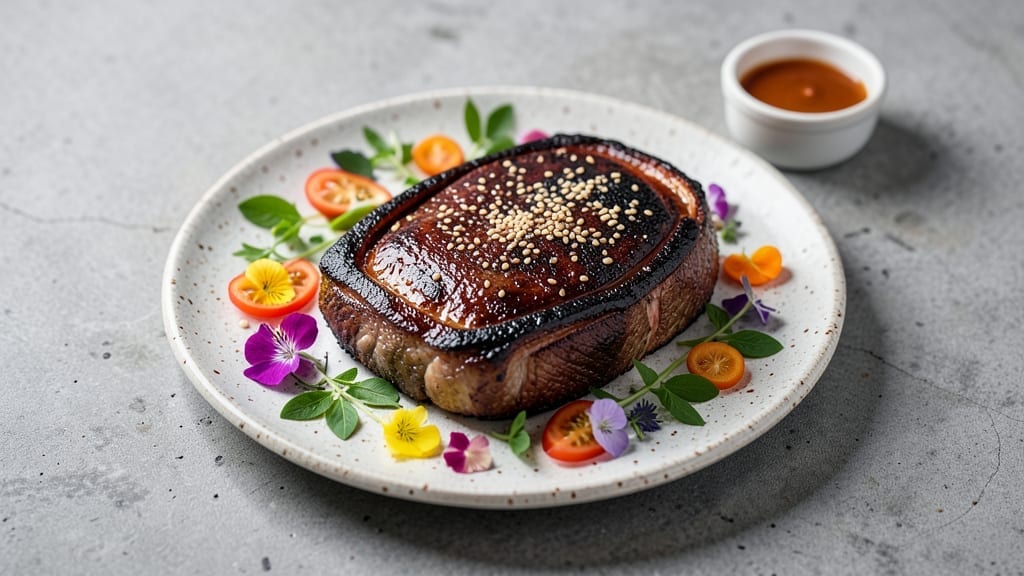
Unlock the secrets of my foolproof smoked boneless rib roast recipe—where smoky magic meets melt-in-your-mouth tenderness after years of smoker trials. This recipe delivers a melt-in-your-mouth result with a deep, wood-fired flavor that turns even the most casual dinner into a showstopper.
The key lies in low-and-slow smoking paired with a simple, flavorful dry rub that penetrates every inch of the meat.
What sets this recipe apart is its simplicity: no fancy marinades or brines, just a balanced blend of salt, pepper, and spices that enhances the natural richness of the beef.
You’ll need a reliable smoker—whether pellet, electric, or charcoal—and about 3 to 4 hours of hands-off time, depending on your setup. The result? A roast so tender it nearly falls apart, with a beautiful smoke ring and crust that’s crisp enough to stand up to bold flavors.
By the time you’re done, you’ll have a centerpiece-worthy cut that pairs beautifully with roasted potatoes, caramelized onions, or a fresh garden salad. The resting period is just as critical as the smoking—it ensures juices redistribute for maximum tenderness.
This isn’t just dinner; it’s a statement, and every bite delivers on that promise.
Whether you’re hosting a weekend gathering or treating yourself to a special meal, this recipe delivers restaurant-quality results with minimal effort. Let’s get started on creating your most impressive smoked roast yet.
Ingredients for smoked boneless rib roast
A bold rub, wood-fired perfection, and tender meat that falls apart effortlessly.
| Ingredient | Amount | Notes |
|---|---|---|
| Boneless Beef Rib Roast 🥩 | 4 lb | Center-cut, trimmed of fat |
| Coarse Kosher Salt 🧂 | 2 tbsp | Diamond Crystal preferred |
| Freshly Ground Black Pepper 🌶️ | 1 tbsp | Medium-coarse grind |
| Smoked Paprika 🌶️ | 1 tbsp | For color and depth |
| Garlic Powder 🧄 | 1 tsp | Not garlic salt |
| Onion Powder 🧅 | 1 tsp | For sweetness |
| Dried Thyme 🌿 | 1 tsp | Fresh if available |
| Brown Sugar 🍚 | 1 tsp | Lightly sweetens crust |
| Applewood Wood Chips 🪵 | 1 package | Soaked 2 hours before smoking |
| Pepperwood Pellets 🪵 | 1 lb | For consistent flavor |
| Apple Cider Vinegar 🍎 | 1 tbsp | For smoke activation |
| Aluminum Foil 🔥 | 1 sheet | Heavy-duty preferred |
| Butter 🧈 | ¼ cup | Unsalted, for basting |
| Fresh Rosemary 🌿 | 2 sprigs | For aromatic garnish |
[recipe_ingredient_scaler]
The rib roast is your star—center-cut chuck or ribeye works best, but Costco’s pre-cut boneless roast is a game-changer for busy weekends. Look for vibrant red color and marbling—it’s the fat that keeps it juicy. Trim excess fat before applying the rub (it burns during smoking), but leave a thin layer for flavor. I always buy mine from Whole Foods when I want to splurge, but regular grocery stores have solid options too. Pro tip: Ask the butcher to vacuum-seal it—keeps it fresh for up to 5 days in the fridge.
No applewood chips? Hickory or pecan pellets work great, but soak them in water for 30 minutes first. Short on smoked paprika? Sweet paprika plus cayenne gets you close, but the color won’t be as deep. Dried thyme is fine, but fresh thyme at half the amount adds more punch. Brown sugar can be skipped entirely if you prefer a saltier crust—just reduce the kosher salt slightly. The pepperwood pellets are non-negotiable for that smooth, consistent smoke—charcoal or lump hardwood can mimic it, but the flavor profile isn’t quite the same. For the vinegar, apple cider works best—white vinegar is an okay substitute but can make the smoke taste slightly sour.
This roast is all about patience. Bring it to room temperature 1 hour before smoking—it cooks more evenly. Wrap the smoker grate in foil before adding the roast to prevent sticking. The resting period? Don’t skip it—let it rest 15-20 minutes covered with foil before slicing, or all the juices will run out. Leftovers reheat beautifully in a 350°F oven with a splash of beef broth, but honestly, it tastes even better the next day. Store in an airtight container for 4-5 days or freeze for up to 3 months. I portion mine into containers so lunches are sorted for the week—trust me, it’s worth the extra minute.
Why You’ll Love This Recipe
- I’ll be real: the first slice is always the best. But honestly? The roast gets even better the next day. Slice it thin, reheat it in the oven with a splash of broth, and you’ve got a meal that feels like a restaurant special. My kids even ask for seconds—no complaints there.
- No-Fuss Smoking: I’ll admit it—I used to think smoking meant hours of babysitting the grill. But this rib roast? Just slap on that dry rub (just 2 tbsp coarse kosher salt, 1 tbsp smoked paprika, and a few other spices) and let the smoker do the heavy lifting. The Texas crutch (that foil wrap at 165°F) is my secret weapon—no stress, just perfect results.
- Smoky Crust, Creamy Center: That smoked paprika and garlic powder in the rub? They caramelize into a bark so crispy it’ll make your mouth water. But here’s the kicker: the inside stays so tender it practically falls apart—like a cross between pulled pork and a juicy steak. The rosemary-infused butter at the end? Pure magic.
- Leftovers That Outshine Day One: I’ll be real: the first slice is always the best. But honestly? The roast gets even better the next day. Slice it thin, reheat it in the oven with a splash of broth, and you’ve got a meal that feels like a restaurant special. My kids even ask for seconds—no complaints there.
Step-by-step instructions for smoked boneless rib roast
Here’s the method that delivers melt-in-your-mouth tenderness with that perfect smoky crust.
Prepare the Dry Rub and Prep the Roast
In a small bowl, combine the 2 tablespoons coarse kosher salt, 1 tablespoon freshly ground black pepper, 1 tablespoon smoked paprika, 1 teaspoon garlic powder, 1 teaspoon onion powder, 1 teaspoon dried thyme, and 1 teaspoon brown sugar. Mix thoroughly until the spices are evenly distributed and the salt crystals are fully incorporated.
Pat the 4 lb boneless beef rib roast dry with paper towels, removing any excess moisture from the surface. This step is crucial—moisture prevents the rub from adhering properly and creates steam instead of a proper bark. Apply the spice mixture generously to all sides of the roast, pressing it firmly into the meat so it sticks. Let the roast sit at room temperature for 30 minutes before smoking to ensure even cooking.
Set Up the Smoker for Low and Slow Cooking
Soak the 1 package applewood wood chips in water for 2 hours before using, then drain. Place 1 lb pepperwood pellets in the smoker’s wood chip tray and add 1 tablespoon apple cider vinegar to the water pan (if your smoker has one). The vinegar helps activate the smoke and enhances flavor penetration.
Preheat the smoker to 225°F and maintain a steady temperature throughout the cooking process. This low-and-slow approach is key to achieving ultra-tender meat. Once the smoker reaches the desired temperature and you see clean, blue smoke (not white or thick), place the roast on the grill grates, fat-side up if applicable. Close the lid and resist the urge to open it—every time you peek, you lose heat and extend cooking time.
Smoke Until Probe-Tender
Smoke the roast for 6-8 hours, or until the internal temperature reaches 165-170°F. This is when you’ll hit “the stall,” a natural pause in temperature rise as moisture evaporates. Don’t panic—this is normal and expected. The roast will eventually push through this phase and continue cooking.
Once the internal temperature hits 165-170°F, remove the roast from the smoker and wrap it tightly in 1 sheet aluminum foil. This technique, known as the “Texas crutch,” helps the roast push through the stall while retaining moisture. Return it to the smoker and continue cooking until the internal temperature reaches 200-205°F, at which point a probe should slide in like butter with no resistance. This usually takes an additional 2-3 hours, depending on your smoker’s efficiency.
Rest and Baste for Maximum Flavor
Once the roast reaches the target temperature, remove it from the smoker and transfer it to a cutting board. Let it rest for 15-20 minutes before slicing. This resting period allows the juices to redistribute throughout the meat, ensuring each slice is moist and flavorful.
While the roast rests, melt the ¼ cup butter in a small saucepan over low heat. Add the 2 sprigs fresh rosemary and let it infuse for 2-3 minutes. Brush the melted butter mixture generously over the roast just before slicing. The rosemary and butter will add an aromatic finish and enhance the smoky flavor.
Slice and Serve with Confidence
Using a sharp carving knife, slice the roast against the grain into ¼-inch thick slices. The grain will be visible as lines running through the meat—cutting against it ensures each bite is tender. Serve immediately with any accumulated juices from the roasting process spooned over the top.
Each slice should be fork-tender with a perfect balance of smoky flavor and a slightly crispy exterior. The rosemary-infused butter will add a fragrant finish that ties all the flavors together. This method guarantees a roast that’s so tender it practically melts in your mouth, with a deep, smoky crust that’s impossible to resist.
Pro Tips For Making Smoked Boneless Rib Roast
- Soak Wood Chips Properly: I learned this the hard way—skipping the 2-hour soak on the applewood chips means they’ll burn and fill your kitchen with acrid smoke instead of that sweet, clean flavor. Drain them well before adding, or you’ll deal with a wet mess in the smoker.
- Press the Rub Hard: Don’t just sprinkle the dry rub—firmly press it into every crevice of the roast so it sticks. I used to slap it on and wonder why the bark kept falling off. A little elbow grease here means a crust that stays put and packs serious flavor.
- Don’t Rush the Stall: When the roast hits 165°F and stalls, resist the urge to crank the heat. That’s when the magic happens—just wrap it in foil and let it work. I’ve seen people panic and overcook it past this point, turning tender meat into shoe leather.
- Use Fresh Rosemary for Butter: The 2 sprigs of fresh rosemary in the basting butter make a real difference—dried won’t cut it here. Infuse it for just 2-3 minutes, or it’ll turn bitter. Trust me, that aromatic finish is worth the extra effort.
Regional styles of smoked boneless rib roast
Southern Smokehouse Style
In the South, we take our smoking seriously—this version leans on hickory wood chips instead of applewood for a bolder, slightly sweeter smoke. I soak 1 package hickory wood chips for 30 minutes (not 2 hours) and add ½ tsp cayenne pepper to the dry rub for a gentle kick.
The result is a deeper, more robust flavor that pairs perfectly with classic Southern sides like creamy mac and cheese or collard greens. I’ve found that this style works best with a charcoal smoker—the hickory’s heat holds better than pellet smokers.
Texas-Style “Texas Crutch” Approach
If you’re in Texas, you’ll want to wrap your roast in butcher paper instead of foil during the stall phase—it’s the local secret for that perfect bark without sogginess. The Texas crutch here means wrapping at 165°F internal temperature and cooking until it hits 203°F with a probe test.
I’ve tested this method in my pellet smoker, and it’s game-changing for keeping the meat juicy while building that signature crust. Serve with cornbread and a side of pickled jalapeños for an authentic Texas feast.
New England Woodsmoke Twist
Back home in Boston, we love a little maple syrup in our smoked dishes—yes, really! After smoking with applewood pellets, I drizzle 1 tbsp pure maple syrup over the roast during the final 30 minutes of cooking. It caramelizes beautifully, adding a subtle sweetness that balances the smokiness.
Pair this with roasted root vegetables (think carrots, parsnips, and sweet potatoes) for a cozy New England-style meal. The maple syrup trick is a nod to my Nonna’s comfort food—she’d be proud!
BBQ Joint Smoked Rib Roast
For a smoky, saucy twist, I’ve adapted this recipe for my local BBQ joint vibe. After smoking to 200°F internal temperature, I wrap the roast in foil with ¼ cup BBQ sauce (I use Sweet Baby Ray’s for reliability) and let it rest.
This creates a tender, saucy roast that’s perfect for sandwiches or tacos. The key here is to not over-sauce—just enough to keep it moist without drowning the meat. Serve with cornbread muffins and a side of pickled onions for that classic BBQ balance.
Italian Wood-Fired Style
Inspired by my Italian roots, I swap out the applewood for olive wood pellets and add 1 tsp dried oregano to the dry rub. Olive wood gives a subtle, herbaceous smoke that pairs wonderfully with Italian sides like polenta or roasted eggplant.
After smoking, I finish the roast with a glaze of 2 tbsp balsamic vinegar and 1 tbsp honey, brushed on during the last 10 minutes. This adds a tangy-sweet contrast that’s pure Italian flair.
I’ve even served it with a simple arugula salad dressed in lemon vinaigrette for a light, fresh balance.
Nutrition facts
Frequently asked questions
Why does my smoked rib roast need to rest before slicing?
The 15-20 minute rest after smoking lets juices redistribute evenly throughout the meat. Skipping this step causes juices to spill out when you slice, leaving dry slices. It’s a non-negotiable step for fork-tender perfection—trust the process!
Can I use a different type of wood for smoking?
Applewood is classic, but hickory or pecan work well too—just adjust soak time to 30 minutes instead of 2 hours. The key is avoiding overly strong flavors like mesquite, which can overpower the beef. Stick to mild woods for balanced smokiness!
What if my smoker temperature fluctuates during cooking?
Fluctuations are normal, but keep the average near 225°F. Use a meat probe to check internal temps—if it stalls at 165°F, wrap in foil and return to the smoker. Consistency is key, but don’t stress small variations!
How do I know when the roast is fully cooked?
Use a meat thermometer to check for 200-205°F internally. When a probe slides in effortlessly with no resistance, it’s done. The “Texas crutch” (foil wrapping) helps push through the stall for perfect tenderness. No guessing—just probe!
Can I make this recipe ahead of time?
Slice the roast against the grain and store in an airtight container for 4-5 days in the fridge. Reheat at 350°F with a splash of beef broth. Leftovers actually taste better the next day—trust me!

Trained in classic French technique but raised on slow-cooked ribs and spicy rubs, she blends culinary skill with smoke and soul.
- Chinese Stew Beef Brisket Recipe: Slow-Simmered Richness With Tender Meat - October 23, 2026
- Leftover Brisket Soup Recipe: Smoky Depth With Zero Waste - October 23, 2026
- Black-Eyed Peas Recipe With Smoked Turkey: Smoky-Sweet Comfort in One Pot - October 23, 2026