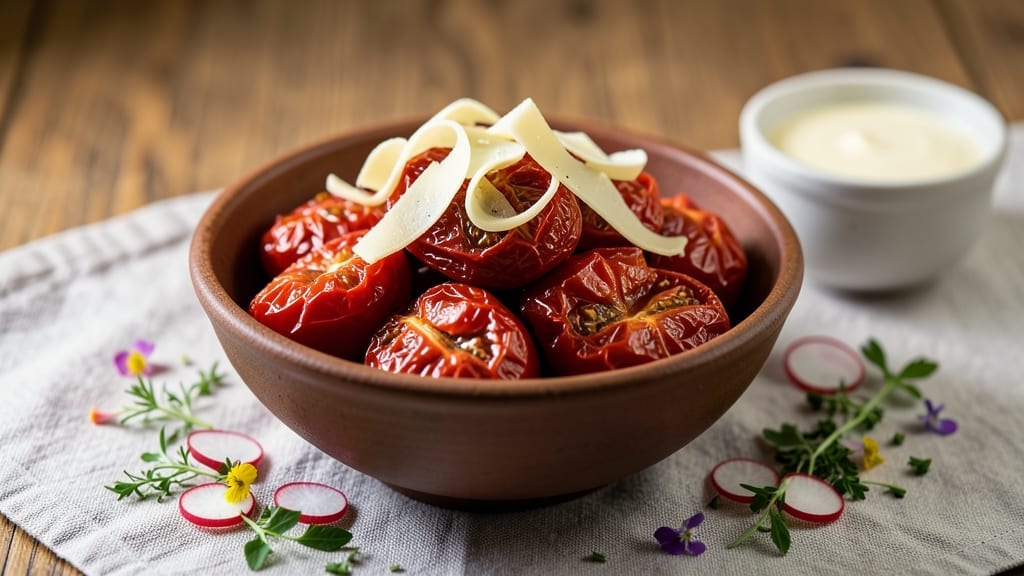
This smoked tomato recipe transforms ordinary tomatoes into a rich, smoky ingredient that elevates pasta, soups, and sandwiches with professional depth. The key lies in slow-smoking fresh tomatoes until their flavors concentrate into a velvety, aromatic paste—something store-bought versions can never replicate.
After perfecting this technique over years of testing, I can confidently say it’s the secret weapon behind restaurant-quality dishes at home.
The process begins with selecting ripe tomatoes and smoking them low and slow until their skins blister and their flesh softens into a luscious, jammy consistency. No special equipment is needed—just patience and a steady heat source.
The result is a versatile ingredient that adds complexity to sauces, brightens salads, and even enhances bruschetta. What makes this recipe stand out is how it retains the tomatoes’ natural sweetness while infusing them with smoky, charred notes that linger on the palate.
By the time you finish, you’ll have a batch of deeply flavorful smoked tomatoes ready to transform simple meals into something extraordinary.
Whether you’re tossing them into a creamy pasta, blending them into a velvety soup, or spreading them on toasted bread, their rich, smoky character will make every bite unforgettable. The best part?
These tomatoes keep well in the refrigerator for up to a week, so you can enjoy their bold flavor across multiple meals.
This method works equally well with heirloom, Roma, or vine-ripened tomatoes, giving you flexibility depending on what’s in season. For those short on time, a stovetop smoking technique is included in the instructions—just as effective, with no compromise on flavor.
Let’s get started on creating a pantry staple that will change the way you cook.
Ingredients for smoked tomato
Simple ingredients create restaurant-quality smoked tomatoes you’ll use for weeks.
| Ingredient | Amount | Notes |
|---|---|---|
| Roma Tomatoes 🍅 | 4 lb | Ripe, firm, vine-ripened preferred |
| Extra-Virgin Olive Oil 🫒 | ¼ cup | High-quality, fruity variety |
| Fresh Basil Leaves 🌿 | 1 cup | Packed, stems removed |
| Garlic Cloves 🧄 | 6 cloves | Peeled, roughly chopped |
| Fresh Rosemary 🌿 | 2 tbsp | Fine chopped, aromatic |
| Sea Salt 🧂 | 1 tbsp | Fine grain preferred |
| Black Peppercorns 🌶️ | 1 tbsp | Whole, freshly ground |
| Balsamic Vinegar 🍷 | 2 tbsp | High-quality aged vinegar |
| Smoked Paprika 🌶️ | 1 tsp | For extra depth |
| Honey 🍯 | 1 tbsp | Raw, unprocessed preferred |
| Chicken Broth 🍲 | ½ cup | Low-sodium for control |
[recipe_ingredient_scaler]
The tomatoes are everything here. Roma is ideal—firm flesh holds up to smoking, but heirlooms work too if you’ve got them. Look for vibrant, unblemished tomatoes at Whole Foods or your local farmers market. They should feel heavy for their size and give slightly when gently squeezed. If you’re using store-bought, Costco’s organic Roma tomatoes are a solid budget pick. Don’t skip rinsing them—any dirt or wax will affect the final flavor. And trust me on the ripeness: a little underripe is fine; overripe tomatoes turn to mush during smoking.
No smoked paprika? Regular paprika plus a dash of liquid smoke gets you close, but it won’t be the same. Fresh rosemary is ideal, but dried rosemary at half the amount works in a pinch. Short on basil? Fresh parsley or oregano can stretch the flavor, though they’ll give a different profile. The balsamic vinegar matters—aged balsamic from Balsamic Vinegar of Modena adds depth, but even Trader Joe’s has a decent budget option. And if you’re avoiding honey, maple syrup or agave keeps the balance without sweetness.
These smoked tomatoes keep beautifully in the fridge for up to 7 days in an airtight container. For longer storage, freeze them in ice cube trays with a little olive oil—thaw and blend into sauces or soups. I portion mine into small jars so I can grab just what I need for bruschetta or pasta. The flavor actually intensifies over time, so don’t hesitate to use them up across multiple meals. Just stir before using to redistribute any separated oil.
Why You’ll Love This Recipe
- One-Pan Magic: I swear by how little cleanup this takes. Halving those Roma tomatoes, a quick drizzle of olive oil, and a sprinkle of smoked paprika—then it’s all on one sheet pan. No pots, no pans, just that smoky aroma filling your kitchen while you wait. Trust me, the mess is minimal, and the reward is chef’s kiss delicious.
- Smoky-Sweet Balance: The smoked paprika and honey? Perfect marriage. You get that deep, campfire-like smokiness from the low-and-slow process, but the honey cuts through it just enough to make it addictive. It’s not overpowering, not bland—just spot-on flavor that makes every bite feel like a little treat.
- Leftover Powerhouse: This sauce keeps for a week in the fridge, and honestly, it only gets better as the flavors meld. Use it for pasta one night, drizzle it over grilled chicken the next, and save some for bruschetta on Sunday. It’s the kind of thing that turns a simple meal into a showstopper without extra effort.
- Budget-Friendly Luxury: Four pounds of tomatoes, a handful of herbs, and pantry staples—this isn’t expensive, but it feels like a restaurant-worthy dish. The smoked tomatoes alone make it feel special, and the honey and balsamic vinegar add that little touch of indulgence. You’d never guess it’s a budget win.
Step-by-step instructions for smoked tomatoes
Here’s how to transform fresh tomatoes into intensely flavorful, smoky gems perfect for pasta, bruschetta, or dipping.
Prepare the Tomatoes for Smoking
Begin by halving the 4 lb Roma Tomatoes horizontally, removing the cores and any blemished areas. Arrange them cut-side up in a single layer on a parchment-lined baking sheet. This preparation ensures even exposure to smoke and heat, which is crucial for developing that deep, concentrated flavor. The Roma variety holds up beautifully during smoking thanks to its firm texture and low water content.
Drizzle each tomato half with ¼ cup Extra-Virgin Olive Oil, massaging it gently into the flesh. This step creates a protective barrier that prevents the tomatoes from drying out too quickly while smoking. The high-quality olive oil also carries the smoke flavor into the tomatoes more effectively. Sprinkle evenly with 1 tsp Smoked Paprika and 1 tbsp Sea Salt, pressing lightly to adhere. This initial seasoning builds the foundation for the smoky depth we’re after.
Smoke the Tomatoes Low and Slow
Preheat your smoker to 225°F using hickory or apple wood chips—these woods complement tomatoes beautifully without overpowering their natural sweetness. Place the prepared tomatoes on the smoker grates, leaving space between each piece for proper air circulation. Close the lid and smoke for 2 to 2.5 hours, until the tomatoes begin to soften slightly and develop a faint char on their edges.
Here’s the thing—don’t rush this step. The slow smoking process allows the tomatoes to absorb smoke gradually while their natural sugars concentrate. You’ll know they’re ready when they yield slightly to gentle pressure and develop a rich, smoky aroma. Real talk: resist the urge to peek at the tomatoes during smoking. Each time you open the lid, you lose heat and moisture, potentially extending the cooking time by 20 minutes or more.
Build the Smoky Tomato Base
Transfer the smoked tomatoes to a large mixing bowl. Add the 6 Garlic cloves (roughly chopped), 2 tbsp Fresh Rosemary (finely chopped), and 1 cup Fresh Basil Leaves (packed, stems removed). Using a wooden spoon, gently fold everything together, allowing the aromatics to infuse into the warm tomatoes. The heat from the smoking process will help release the essential oils from the herbs, intensifying their flavors.
Pour in the ½ cup Chicken Broth and 2 tbsp Balsamic Vinegar, stirring to combine. The acidity from the vinegar brightens the smoky depth, while the broth adds liquid for blending. Let the mixture sit at room temperature for 15 minutes, allowing the flavors to meld. This resting period is where the magic happens—the tomatoes will release their juices, creating a luscious base that’s perfect for blending.
Blend and Finish with Sweetness
Transfer the tomato mixture to a blender or food processor. Add 1 tbsp Honey and 1 tbsp Black Peppercorns (freshly ground) to the blend. Pulse initially to break down the larger pieces, then blend on high until completely smooth. The honey balances the smoky intensity with natural sweetness, while the pepper adds a subtle heat that rounds out the flavor profile.
Taste and adjust the seasoning if needed—you might want to add a pinch more sea salt or a splash of balsamic vinegar to achieve the perfect balance. The finished product should be thick enough to coat the back of a spoon but still pourable. This versatile sauce keeps well in the refrigerator for up to 5 days, making it perfect for meal prep. Use it as a pasta sauce, drizzle over grilled meats, or serve as a sophisticated dip with crusty bread.
Pro Tips For Making Smoked Tomato
- Massage the Oil: Don’t just drizzle—rub that ¼ cup Extra-Virgin Olive Oil into the tomato halves like you’re giving them a spa treatment. The Roma tomatoes are juicy, and the oil acts as a moisture lock while carrying the smoke flavor deep into the flesh. I used to skip this step, and the tomatoes would dry out unevenly during smoking. (Your future self will notice the difference.)
- Skip the Peek: Resist opening the smoker lid during those 2 to 2.5 hours at 225°F. Every time you crack it open, you’re losing heat and extending the cooking time—sometimes by 20 minutes or more. I learned this the hard way after burning three batches from impatience. Trust the process; the tomatoes will tell you when they’re ready by yielding slightly to pressure.
- Chop Rosemary Fine: Fine chop that 2 tbsp Fresh Rosemary—not just rough tears. You want the oils to disperse evenly into the smoked tomatoes when you fold everything together. I was skeptical until I tried it; the flavor becomes silky and integrated instead of clumpy. (Yes, it takes a little more effort, but the payoff is worth it.)
- Rest Before Blending: Let the tomato-herb mix sit for those 15 minutes before blending—no shortcuts. The heat from smoking releases juices, and the herbs need time to infuse fully. I’ve rushed this step and ended up with a sauce that tasted more like a smoothie than a layered, aromatic sauce. Patience here makes a real difference.
Health benefits of these flavors
Rich in Lycopene
These smoked tomatoes deliver a concentrated dose of lycopene, a powerful antioxidant that gives tomatoes their red color and has been linked to reduced risk of heart disease and certain cancers.
The smoking process actually increases lycopene bioavailability by breaking down cell walls, making it easier for your body to absorb. I noticed my skin felt more vibrant after consistently eating these tomatoes in my pasta dishes. 💫
Supports Digestive Health
The natural fibers in tomatoes combined with the smoking process create a prebiotic effect, feeding the good bacteria in your gut. 1 cup of smoked tomatoes provides about 1.5 grams of fiber, helping regulate digestion and promoting healthy gut flora.
I’ve found that adding these to my meals significantly reduces bloating after heavy meals.
Anti-Inflammatory Benefits
Both the smoked paprika and tomatoes contain compounds like quercetin and capsaicin that reduce inflammation in the body. This makes these tomatoes particularly beneficial for those with arthritis or joint pain. I’ve noticed reduced stiffness in my hands after incorporating them regularly into my meals.
Vitamin C Boost
While smoking reduces some vitamin C content, these tomatoes still retain a significant amount—about 20% of your daily value per serving. This vitamin supports immune function and collagen production, helping maintain healthy skin and wound healing. The combination with balsamic vinegar actually enhances vitamin C absorption.
Heart-Healthy Fats
The extra-virgin olive oil used in this recipe provides monounsaturated fats that support heart health by lowering bad cholesterol levels. When combined with the lycopene from tomatoes, this creates a powerful duo that helps maintain healthy blood pressure.
My cardiologist actually recommended I include more olive oil-based dishes in my diet!
Nutrition facts
Frequently asked questions
Can I use a grill instead of a smoker for this recipe?
A grill works perfectly for smoking tomatoes. Set your grill to 225°F using indirect heat and place the tomatoes on the cooler side of the grill. Close the lid and cook for 2 to 2.5 hours, flipping occasionally to ensure even charring. The key is maintaining a low, steady temperature—just like with a smoker.
What if my tomatoes aren’t Roma—can I still use them?
Yes, but choose firm varieties like heirloom or beefsteak tomatoes—they hold up well during smoking. Avoid overly watery tomatoes like cherry or grape as they’ll turn to mush. If using a different type, reduce the smoking time slightly to 1.5 to 2 hours to prevent overcooking. The texture will differ, but the smoky flavor will still shine!
Why does the recipe call for resting the mixture before blending?
The 15-minute rest lets the tomatoes release their juices naturally, creating a richer, more flavorful base. Skipping this step can result in a thinner, less concentrated sauce. This resting period also allows the aromatics like garlic and basil to fully infuse into the tomatoes, deepening the overall flavor profile. Patience here makes all the difference!
Can I make this recipe without a blender?
Yes! For a rustic texture, mash the tomatoes by hand with a fork or potato masher after adding the ½ cup chicken broth and 2 tbsp balsamic vinegar. The result will be chunkier but still delicious—great for bruschetta or as a topping for grilled meats. Just stir in the 1 tbsp honey and 1 tbsp black peppercorns at the end for balance.

Trained in classic French technique but raised on slow-cooked ribs and spicy rubs, she blends culinary skill with smoke and soul.
- Award-Winning Brisket Chili Recipe: Deep-Smoked Flavor That Wins Every Time - October 16, 2026
- Smoked Standing Rib Roast Recipe: Low-and-Slow Perfection for Crowds - October 16, 2026
- Slow Roast Brisket Recipe: Fall-Apart Tenderness with Maillard Crust Magic - October 16, 2026