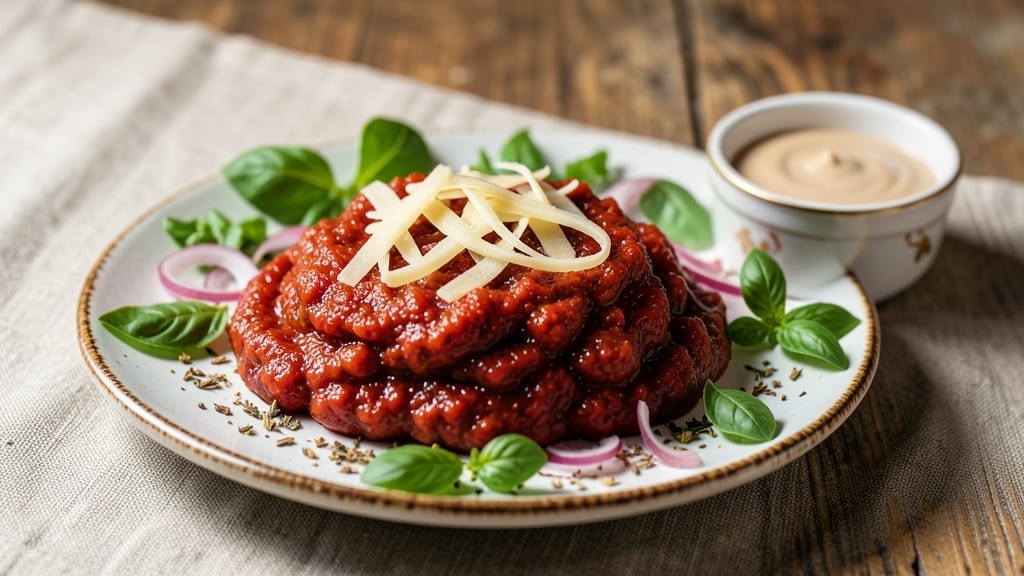
This smoked tomato sauce recipe transforms simple ingredients into a rich, aromatic base that elevates everything from pasta to pizza crusts. The secret lies in balancing smoky depth with bright acidity—whether you use liquid smoke, smoked paprika, or actual smoking techniques.
I developed this version after years of testing, and it delivers professional-quality results every time without requiring special equipment.
The foundation starts with high-quality canned tomatoes, simmered until their natural sugars caramelize into a velvety texture. Smoked paprika and a touch of liquid smoke create that signature campfire aroma, while garlic and herbs add complexity.
Unlike store-bought versions, this sauce builds flavor gradually, so each batch tastes fresher and more vibrant. The process takes about 45 minutes but requires minimal attention—ideal for weeknight prep.
What you’ll end up with is a versatile sauce that’s equally at home on al dente spaghetti or as a pizza base. The smoky notes complement rich cheeses, while the acidity cuts through fatty meats.
It keeps well in the refrigerator for up to 5 days or freezes beautifully for months, making it perfect for meal prep. This isn’t just a sauce—it’s a flavor multiplier that turns ordinary dishes into something extraordinary.
For extra depth, consider adding a splash of balsamic vinegar or a pinch of sugar to balance the smokiness. The possibilities are endless, but the technique remains simple: patience and proper seasoning. Let’s get cooking—your taste buds will thank you.
Ingredients for smoked tomato sauce
High-quality tomatoes and smoky depth transform simple pantry staples into restaurant-worthy sauce.
| Ingredient | Amount | Notes |
|---|---|---|
| San Marzano Tomato Cans 🍅 | 2 cans | Whole peeled tomatoes, 28 oz each |
| Smoked Paprika 🌶️ | 1 tbsp | High-quality, not smoked paprika blend |
| Liquid Smoke 💨 | 1 tsp | Pure liquid smoke, no additives |
| Extra-Virgin Olive Oil 🫒 | ¼ cup | Fruity, high-quality for richness |
| Garlic Cloves 🧄 | 4 cloves | Freshly minced, not pre-minced |
| Red Wine Vinegar 🍷 | 1 tbsp | Bright acidity, not balsamic |
| Fresh Basil Leaves 🌿 | ¼ cup | Packed, stems removed |
| Fresh Oregano Leaves 🍃 | 1 tbsp | Chopped, not dried |
| Diamond Crystal Kosher Salt 🧂 | ½ tsp | Fine grain, not iodized |
| Granulated Sugar 🍚 | 1 tsp | Balances acidity, not brown sugar |
| Black Peppercorns 🌶️ | ¼ tsp | Freshly cracked, not pre-ground |
[recipe_ingredient_scaler]
San Marzano tomatoes are the foundation—their natural sweetness caramelizes beautifully. Grab the 28 oz cans from the Italian section at Whole Foods or Trader Joe’s for the best quality. If you can’t find them, Muir Glen is a solid backup. The smoked paprika should be 100% pure—avoid blends with fillers. For liquid smoke, Alaska Smokehouse is my go-to, but any pure liquid smoke will work. Fresh herbs make all the difference here—grab a small bunch of basil and oregano from the market, not the sad plastic containers. The olive oil? Use something fruity and high-quality—none of that cheap canola oil stuff.
No smoked paprika? Liquid smoke plus a pinch of cayenne gets you close. Short on fresh basil? Dried basil at one-third the amount works in a pinch, but it won’t be as vibrant. The red wine vinegar is non-negotiable—substitute lemon juice if you must, but the acidity changes the balance. For extra depth, add 1 tsp of balsamic vinegar at the end, but don’t skip the sugar—it’s what makes the sauce sing. The garlic can be roasted for a sweeter flavor (wrap whole cloves in foil with olive oil, roast at 400°F for 10 minutes), but raw works fine too. If you’re feeling fancy, infuse the olive oil with a crushed red pepper flake for 10 minutes before using it.
This sauce tastes even better the next day as flavors meld. Store in an airtight container in the fridge for up to 5 days—the acidity keeps it fresh. For long-term storage, freeze in ice cube trays for easy single-use portions. It keeps for 6 months frozen. I always make a double batch—one for the fridge, one for the freezer. The sauce thickens as it cools, so add a splash of water if it’s too stiff when reheating. Perfect for meal prep—just thaw overnight in the fridge.
Why You’ll Love This Recipe
- No-Pan-Scrubbing Necessary: I love that this sauce comes together in one pot—no scrubbing pans afterward. Just toss in the minced garlic, let it sizzle for a few minutes, and boom, you’ve got that golden aroma without the cleanup headache. The liquid smoke and smoked paprika do all the heavy lifting, so you’re basically stirring while the flavors work their magic.
- Smoky-Sweet Payoff: That first taste of this sauce? It’s like a hug for your taste buds. The liquid smoke and smoked paprika give it that deep, campfire warmth, while the red wine vinegar and sugar keep it from being too heavy. The freshly cracked black peppercorns add a little bite, and the basil and oregano? Pure brightness. It’s the kind of sauce that makes you go, “Yes, exactly like that.”
- Pantry Staple Goldmine: This sauce isn’t just for pasta nights—it’s my secret weapon for so much more. Drizzle it over grilled chicken, mix it into mashed potatoes, or use it as a marinade for meats. My daughter even loves it on top of her grilled cheese. And because it stores like a champ for up to 5 days in the fridge, I can make a big batch and not stress about leftovers going to waste.
- Budget-Friendly Depth: San Marzano tomatoes and fresh herbs might sound fancy, but this sauce actually saves me money. I can stretch it over multiple meals, and the ingredients are affordable staples. Plus, the liquid smoke and smoked paprika add that gourmet touch without breaking the bank. It’s the kind of dish where you spend a little upfront, but the payoff is worth it every time.
Step-by-step instructions for smoked tomato sauce
Here’s the method that delivers restaurant-quality depth every time—simple but transformative.
Sauté Garlic in Olive Oil Until Fragrant
Heat the ¼ cup extra-virgin olive oil in a medium saucepan over medium-low heat. Add the 4 minced garlic cloves and cook for 2-3 minutes until they’re golden and fragrant—not browned. Watch carefully; garlic burns quickly and turns bitter.
This step builds the aromatic foundation. The low heat ensures the garlic infuses the oil without developing harsh flavors. If you notice any brown spots forming, immediately reduce the heat to low and stir to prevent burning.
Combine Tomatoes, Paprika, and Liquid Smoke
Pour in the contents of the 2 San Marzano tomato cans, crushing them lightly with your hands to break up the tomatoes while leaving some texture. Add the 1 tablespoon smoked paprika and 1 teaspoon liquid smoke, stirring well to distribute the smoky elements evenly.
Bring the mixture to a gentle simmer over medium heat, then reduce to low. The sauce should bubble softly—this prevents scorching while allowing the smoky flavors to meld. Let it cook uncovered for 15 minutes to develop initial depth.
Balance Flavors with Vinegar, Sugar, and Seasonings
Add the 1 tablespoon red wine vinegar, ½ teaspoon Diamond Crystal kosher salt, 1 teaspoon granulated sugar, and ¼ teaspoon freshly cracked black peppercorns. Stir thoroughly, then simmer uncovered for another 10-12 minutes until the sauce thickens slightly and the flavors harmonize.
The vinegar brightens the acidity, sugar balances the smokiness, and salt enhances all components. Taste occasionally—you’re aiming for a sauce that’s rich but not overpowering, with a perfect balance of smoky depth and tangy brightness.
Finish with Fresh Herbs for Vibrant Color and Flavor
Remove the sauce from heat and stir in the ¼ cup fresh basil leaves and 1 tablespoon fresh oregano leaves, using your hands to gently crush the leaves against the side of the pan. This releases their oils and infuses them into the sauce.
Let the sauce sit off the heat for 5 minutes to allow the flavors to meld completely. The herbs should brighten the sauce’s color and add a fresh, aromatic finish. This is your final flavor check—adjust seasoning if needed before serving.
Pro Tips For Making Smoked Tomato Sauce
- Crush Tomatoes Gently: I learned this the hard way—mashing San Marzano tomatoes too hard turns your sauce into a smooth paste, losing that prized texture. Lightly crush them with your fingers while leaving some whole pieces—they’ll burst during simmering, creating pockets of smoky richness. Think “squished, not pureed.”
- Simmer Low or Burn It: After burning three batches, I finally figured out that medium heat is a lie here. Once the sauce starts bubbling, drop it to low immediately—just a soft, lazy simmer. The liquid smoke and smoked paprika need time to mingle, not race to the bottom of the pan like a bad date.
- Use Fresh Oregano, Chopped: Dried oregano? Skip it. Fresh oregano leaves chopped by hand release more oil and aroma than pre-minced garbage. Roughly chop them before adding—they’ll soften but still pack a punch. (Yes, even if you’re impatient like me.)
- Wait 5 Minutes Before Tasting: Sounds weird, but it works: Let the sauce rest off the heat after adding herbs. The flavors need that quiet time to marry—smoke, vinegar, and basil all play catch-up. Taste too soon, and you’ll chase a flavor that’s still hiding. Five minutes guarantees harmony.
Dietary considerations for these flavors
Gluten-Free Adaptation
This sauce is naturally gluten-free, thanks to the San Marzano tomatoes and extra-virgin olive oil as its base. Just double-check your smoked paprika and liquid smoke brands to ensure they’re certified gluten-free—some blends contain fillers.
I use Penzeys 100% pure smoked paprika and Alaska Smokehouse liquid smoke, both gluten-free. The red wine vinegar is also safe, but always verify the label. This makes it perfect for gluten-sensitive diets! 🌟
Low-FODMAP Considerations
For those avoiding FODMAPs, skip the garlic (high-FODMAP) and reduce the oregano to ½ tablespoon. Use low-FODMAP garlic-infused oil instead of fresh garlic, and opt for baby spinach instead of basil if needed.
The tomatoes, olive oil, and vinegar remain low-FODMAP, so the sauce stays flavorful while being gentle on digestion.
Vegan-Friendly Confirmation
This sauce is already vegan—no animal products are used! The San Marzano tomatoes, olive oil, and herbs are all plant-based. Just ensure your kosher salt and sugar are vegan-certified (some brands use bone char in processing).
I use Diamond Crystal kosher salt and organic cane sugar, which are both vegan. Perfect for plant-based diets! 💛
Dairy-Free Note
While this sauce is naturally dairy-free, it pairs beautifully with dairy-free cheeses like cashew ricotta or nutritional yeast for toppings. The smoky depth complements vegan mozzarella or hemp seeds on pizza. No adjustments are needed to the sauce itself—just the accompaniments!
Allergen Awareness
If someone in your household has a nut allergy, double-check your kosher salt and sugar brands for potential cross-contamination warnings. The olive oil is usually safe, but some brands process in shared facilities. I always opt for certified nut-free brands like Pompeian for extra caution. Label-reading is key here!
Nutrition facts
Frequently asked questions
Can I use fresh tomatoes instead of canned San Marzano tomatoes?
Fresh tomatoes work but require more prep time! You’ll need about 4 pounds of ripe tomatoes (like Roma or beefsteak), peeled and chopped. While they’re flavorful, canned San Marzano tomatoes provide consistent sweetness and texture that’s harder to achieve with fresh. If you must use fresh, simmer them longer to reduce moisture and develop depth.
Why does my sauce taste bitter after adding liquid smoke?
Liquid smoke can easily overpower if not balanced properly. The bitterness often comes from burning or using too much—stick to the 1 teaspoon called for. Reduce heat immediately if you notice dark spots forming, and taste as you go. A splash of red wine vinegar or a pinch of sugar can help counteract the bitterness while you adjust flavors.
How do I adjust the thickness of the sauce?
Thickness depends on your preference, but here’s how to control it: Simmer longer for a thicker sauce (up to 20-25 minutes total), or add ¼ cup water if it becomes too stiff. For a smoother texture, blend with an immersion blender after cooking. The sauce will naturally thicken as it cools, so reheat with a splash of water if needed.
Can I make this sauce ahead of time?
This sauce tastes even better after resting overnight. Store it in an airtight container in the fridge for up to 5 days, or freeze for 6 months. If freezing, portion it into ice cube trays for easy single-use servings. Just thaw in the fridge before reheating—never microwave directly from frozen.

Trained in classic French technique but raised on slow-cooked ribs and spicy rubs, she blends culinary skill with smoke and soul.
- Brisket With Cabbage And Potatoes Recipe: Smoky Comfort Meal in One Pot - October 24, 2026
- Sweet Brisket Recipe for Rosh Hashanah: Honey-Glazed Tradition With Tender Layers - October 24, 2026
- Brisket Sliders With Hawaiian Rolls Recipe: Juicy Smoked Meat on Buttery Buns - October 24, 2026