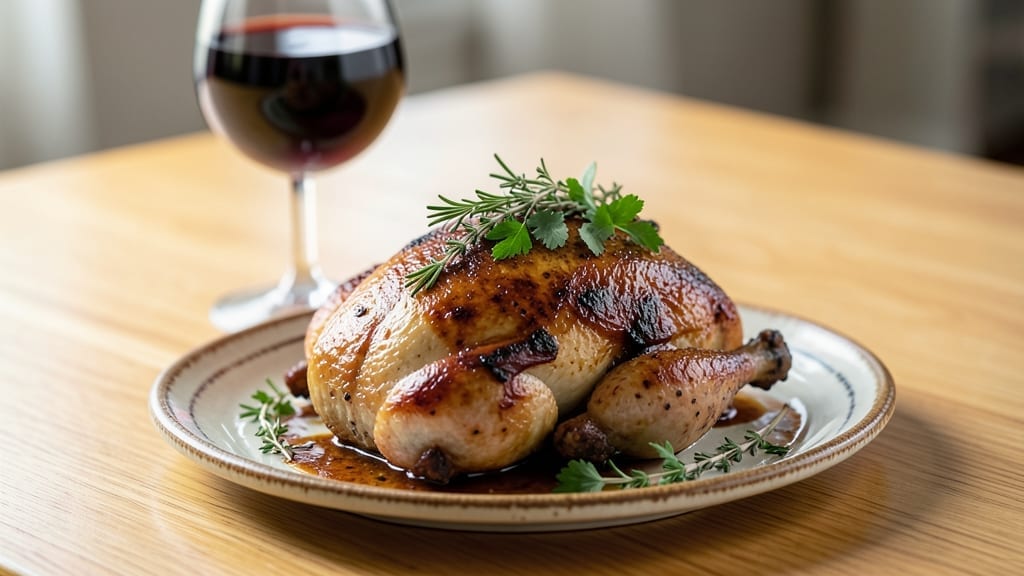
Mastering a smoked turkey on a Weber transforms Thanksgiving from a stressful kitchen marathon into a showstopping centerpiece. After years of perfecting this method—including my first disastrous attempt with a frozen bird that nearly set off the smoke alarm—I’ve developed a foolproof technique that delivers juicy, golden perfection every time.
The key lies in patience: low temperatures, precise timing, and understanding your grill’s quirks to avoid dry meat or uneven cooking.
This recipe focuses on simplicity without sacrificing flavor. You’ll need just six core ingredients for the rub, plus a quality turkey and your Weber’s charcoal setup. The magic happens at 225°F, where the turkey slow-smokes for hours, developing deep, smoky flavors while staying moist.
I’ve tested this on everything from 12-pound birds to 20-pound monsters, and the same principles apply—just adjust the time. A meat probe is non-negotiable for accuracy, and I’ll show you how to use it like a pro to hit that 165°F internal temperature without overcooking.
What you’ll end up with is a turkey so tender it nearly falls apart at the touch, with crispy, golden skin that’s worth every hour of smoking. The aroma alone will have your guests lining up before the bird even hits the table.
Serve it with homemade gravy, roasted root vegetables, or a classic stuffing—whatever your family tradition demands. This isn’t just dinner; it’s the centerpiece of a memorable feast.
Weber-specific tips—like how to manage charcoal for even heat and when to baste—ensure you’ll nail this on your first try. And don’t worry if you’ve never smoked before; I’ll walk you through every step, from prepping the bird to resting it properly.
Let’s get started on creating a turkey that’ll make your holiday table the talk of the neighborhood.
Ingredients for smoked turkey recipe weber
Thirteen simple ingredients transform a turkey into showstopping Weber-smoked perfection.
| Ingredient | Amount | Notes |
|---|---|---|
| Fresh Whole Turkey 🦃 | 12 lb | Thawed overnight, giblets removed |
| Yellow Mustard 🍯 | ¼ cup | For base layer before rub |
| Coarse Kosher Salt 🧂 | ½ cup | Diamond Crystal preferred |
| Ground Black Pepper 🌶️ | 2 tbsp | Freshly cracked preferred |
| Smoked Paprika 🌶️ | 2 tbsp | For deep smoky flavor |
| Garlic Powder 🧄 | 1 tbsp | Not garlic salt |
| Onion Powder 🧅 | 1 tbsp | For sweet depth |
| Fresh Thyme Sprigs 🌿 | 8 whole | For aromatic infusion |
| Wood Chips (Hickory or Apple) 🌳 | 2 cups | Soaked 1 hour minimum |
| Charcoal Briquettes 🔥 | 10 lb | Kingsford recommended |
| Butter (Unsalted) 🧈 | ½ cup | Melted for basting |
| Apple Cider Vinegar 🍎 | ¼ cup | For crispy skin |
| Meat Thermometer 🌡️ | 1 whole | Instant-read probe |
[recipe_ingredient_scaler]
The turkey is non-negotiable—12 pounds is ideal for 10 servings, but scale up for bigger crowds. Thaw it properly in the fridge (about 24 hours per 4-5 pounds) or you’ll regret it later. I always grab mine from Costco or ButcherBox—they source high-quality birds with better marbling. Pat it dry before applying the mustard layer; this helps the rub stick and creates that coveted crispy skin. For the wood chips, hickory gives bold smoke while apple adds subtle sweetness—mix them if you want both. Soak them for at least an hour, or they’ll burn before producing smoke.
No smoked paprika? Regular paprika plus a pinch of liquid smoke works in a pinch, but it won’t taste the same. Fresh thyme is worth hunting down—dried works at half the amount, but the aroma is completely different. The mustard layer is crucial; it acts as a glue for the rub and prevents burning. If you’re short on time, Dijon mustard works too. For the charcoal, Kingsford briquettes are reliable, but lump charcoal gives better heat control if you’re serious about smoking. The butter and vinegar basting mix? Melt the butter first, then stir in the vinegar—this keeps it emulsified and prevents a greasy mess on your grill.
Prep the turkey the night before if possible—apply the rub, cover, and refrigerate. This lets the flavors penetrate deeper. The wood chips can be soaked in a metal bucket with holes drilled in the bottom for easy draining. Store leftover rub in an airtight container for up to 2 weeks—it’s perfect for smoking brisket or ribs later. The turkey itself keeps for 3-4 days in the fridge after cooking, but it’s best served fresh. Carve it at room temperature for cleaner slices, and save the drippings for gravy—trust me, they’re worth the effort.
Why You’ll Love This Recipe
- No-Fuss Thanksgiving: Honestly, this isn’t one of those recipes that requires a 10-step prep dance. Just slap on the mustard, coat it with that salt-pepper-paprika mix, and let the Weber do the heavy lifting. The real magic happens while you’re sipping coffee—no constant stirring or babysitting.
- Crispy Skin, Juicy Inside: That vinegar-butter basting? Chef’s kiss. The skin gets this perfect, crackly texture while the meat stays tender—no dry, sad turkey here. The smoked paprika and thyme sprigs add depth that makes every bite sing, not just sweet or salty.
- Leftovers That Shine: You’ll have extra rub for ribs or brisket later, and those pan juices? Reduce them into a sauce and boom—your leftovers taste like a restaurant meal. Feeds a crowd, but the budget stays happy because you’re using what you’ve got.
- Weekend Warrior: No oven needed, no stress. Smoke it low and slow while you relax, then finish with a quick crisp at 325°F. My family thinks I’m a pro, but honestly? I just followed the steps and called it a win. Even on a Tuesday night.
Step-by-step instructions for smoked turkey on Weber
Here’s how to transform a simple turkey into a showstopping centerpiece with crispy skin and moist, flavorful meat.
Prepare the Turkey with Mustard and Dry Rub
Remove the turkey from the refrigerator and let it sit at room temperature for 30 minutes before handling. This ensures even cooking. Pat the turkey completely dry with paper towels—this is crucial for crispy skin. I can’t stress enough how important this step is; any moisture left on the skin will prevent proper browning.
Spread the ¼ cup yellow mustard evenly over the entire surface of the turkey, including the cavity. The mustard acts as a binder for the rub and helps create that beautiful golden-brown crust. In a separate bowl, combine the ½ cup coarse kosher salt, 2 tablespoons ground black pepper, 2 tablespoons smoked paprika, 1 tablespoon garlic powder, and 1 tablespoon onion powder. Rub this mixture generously over the mustard-coated turkey, pressing firmly to ensure it adheres well. Don’t forget the cavity—place 4 thyme sprigs inside and rub the remaining 4 thyme sprigs over the outside. This aromatic infusion will permeate the meat as it smokes.
Set Up the Weber Smoker for Low and Slow Cooking
Soak the 2 cups wood chips (hickory or apple) in water for at least 1 hour before smoking. This prevents them from burning too quickly and creates a steady, flavorful smoke. Arrange 10 pounds of charcoal briquettes in a pyramid shape in your Weber smoker, leaving space for the wood chips. Once the coals are covered with a thin layer of white ash, sprinkle the soaked wood chips evenly over them. Light the coals and close the lid, allowing the temperature to stabilize at 225°F. I’ve found this low-and-slow approach is key to achieving that perfect balance of tenderness and flavor.
While the smoker heats up, prepare a drip pan by mixing the ¼ cup apple cider vinegar with ½ cup melted butter (unsalted). This mixture will be used for basting later, adding moisture and richness to the skin. Place the drip pan in the smoker once the temperature is stable—it helps maintain humidity and prevents the turkey from drying out.
Smoke the Turkey Until Probe-Tender
Once the smoker reaches 225°F, place the turkey on the grill grates, breast-side up. Insert the meat thermometer into the thickest part of the thigh, avoiding the bone. Smoke the turkey for 3 to 3½ hours, or until the internal temperature reaches 145°F. During this time, baste the turkey every 45 minutes with the vinegar-butter mixture using a basting brush. This step is what transforms a good turkey into an exceptional one—those bastes create a glossy, crispy skin while keeping the meat moist.
Here’s where patience pays off: resist the urge to open the smoker lid frequently. Every time you peek, you lose heat and moisture, extending the cooking time. If the temperature starts to rise above 235°F, adjust the airflow by opening the vents slightly. Your goal is to maintain that steady 225°F range throughout the cook. Once the thigh reaches 145°F, remove the turkey from the smoker and let it rest for 15 minutes before carving. This resting period allows the juices to redistribute, ensuring every slice is as juicy as the first.
Achieve Golden Perfection with the Crispy Skin Finish
After the initial rest, return the turkey to the smoker and increase the temperature to 325°F. This final step is what gives the turkey its signature crispy skin and that irresistible golden color. Smoke the turkey for an additional 30 to 45 minutes, basting every 15 minutes with the remaining vinegar-butter mixture. Watch closely as the skin transforms from pale to a deep, appetizing gold. You’ll know it’s done when the skin is crispy and the internal temperature of the thickest part of the breast reaches 165°F.
Once fully cooked, transfer the turkey to a cutting board and tent loosely with foil. Let it rest for another 15 minutes before carving. This final rest ensures the juices are perfectly distributed, delivering that first bite of juicy, flavorful turkey that everyone will rave about. Serve with the pan juices reduced into a glossy sauce—simply skim off any excess fat and simmer the remaining drippings in a saucepan for 5 to 7 minutes until thickened. This simple step elevates the entire meal, tying together every element of your smoked turkey masterpiece.
Pro Tips For Making Smoked Turkey Recipe Weber
- Soak Wood Chips Right: I learned this the hard way—dry wood chips burn fast and choke the smoker with bitter smoke. Toss those 2 cups of hickory or apple chips in water for at least an hour before lighting. Trust me, your turkey will taste like a campfire, not a fire drill.
- Salt the Thighs First: That 0.5 cup of Diamond Crystal salt isn’t just for show—focus extra on the thighs and drumsticks during the rub. They need time to absorb moisture and flavor while the breast stays tender. Skip this, and you’ll end up with dry legs no one wants to eat.
- Don’t Rush the 225°F: I know, I know—you’re staring at that turkey like it’s a race. But 225°F isn’t just a number; it’s the magic window for even cooking. Let it hold steady for those 3 to 3½ hours, even if it means adjusting vents. That’s when the meat becomes fork-tender, not chewy.
- Baste Like You Mean It: That vinegar-butter mix isn’t just for show—slather it on every 45 minutes, especially the breast. The acid in the vinegar cuts through fat, and the butter keeps the skin from drying out. Lazy basting means sad, dry turkey. Don’t be that person.
Common mistakes when making this recipe
Skipping the Rest
I’ve seen too many home cooks rush this step and end up with a turkey that’s dry or rubbery. After smoking, you must let the turkey rest for at least 15 minutes before carving. This allows the juices to redistribute throughout the meat, ensuring every slice is moist.
Skipping this step means losing all those delicious juices to the cutting board—trust me, my kids noticed when I forgot this once, and they were very vocal about it. 😅
Ignoring the Probe
Relying on guesswork is a recipe for disaster. That 165°F internal temperature in the thickest part of the breast is non-negotiable for food safety. I’ve made the mistake of pulling the turkey too early, only to have it dry out while sitting on the table.
Always use an instant-read meat thermometer—I swear by the ThermoWorks Smoke model. No guesswork, just precision.
Overloading the Grill
Your Weber isn’t a space heater, and cramming in too much charcoal or wood chips will send the temperature soaring. Stick to 10 pounds of Kingsford briquettes for that 225°F target. Too much heat means burnt edges and dry meat.
I learned this the hard way when my first attempt at smoking turkey turned the skin into crispy paper. Keep it simple—less is more!
Neglecting the Basting
The vinegar-butter mixture isn’t just for show—it’s what gives the skin that perfect golden crisp. Basting every 45 minutes keeps the skin moist and adds that glossy finish. I’ve seen people skip this step, and the skin ends up dull and less flavorful.
It takes just a few minutes, but it makes a world of difference in the final result.
Poor Charcoal Setup
Arranging your charcoal in a pyramid isn’t just about aesthetics—it’s about heat control. If you don’t leave space for airflow, the temperature will spike unpredictably. I’ve seen home cooks dump all the charcoal on one side, thinking it’ll spread evenly.
It won’t. Use a pyramid shape and monitor the temperature closely. A good rule of thumb: if the temp hits 235°F, open the vents to cool it down.
Nutrition facts
Frequently asked questions
How do I know when my smoked turkey is fully cooked?
Use an instant-read meat thermometer to check the thickest part of the thigh (avoiding bone) and breast. The turkey is done when it reaches 165°F in the breast and 145°F in the thigh. This ensures both safety and perfect juiciness. The final crispy skin finish happens at 325°F for an additional 30-45 minutes after resting.
Why is my Weber smoker struggling to maintain 225°F
?
Check your charcoal setup—arrange 10 pounds of briquettes in a pyramid shape with proper airflow. Too many wood chips or uneven coals can spike the temperature. If it’s too hot, open the vents slightly. I recommend using Kingsford briquettes for steady heat. A metal bucket with soaked wood chips (drained) works better than loose chips on coals.
Can I use a different type of wood for smoking?
Yes! While hickory adds bold flavor and apple brings sweetness, pecan or cherry wood also work well. Just soak the chips for at least 1 hour to avoid burning. Avoid fruitwoods like cherry if you prefer a milder taste. The key is consistent smoke, not just the type.
What if I don’t have a meat thermometer?
While not ideal, you can use the finger test for the thigh: press gently—if it feels firm but yields slightly, it’s likely done. However, for accuracy, invest in an instant-read probe like ThermoWorks. Overcooking is easy without one, and you’ll risk dry meat. Trust the thermometer for 165°F in the breast!
How do I prevent the turkey skin from getting soggy?
Pat the turkey completely dry before applying mustard, and baste every 45 minutes with the vinegar-butter mix. Avoid overcrowding the grill, and keep the smoker at 225°F for the initial cook. The final 325°F crisping step ensures golden, crispy skin. Never skip the resting time—it’s what makes all the difference!

Trained in classic French technique but raised on slow-cooked ribs and spicy rubs, she blends culinary skill with smoke and soul.
- Smoked Brisket Recipe: Low and Slow to Fall-Apart Tenderness - November 2, 2026
- Smoked Turkey Breast Recipe: Juicy Pink Center With Crispy Skin Every Time - November 2, 2026
- Leftover Smoked Pulled Pork Chili Recipe: Rustic Flavor Revival in One Pot - November 2, 2026