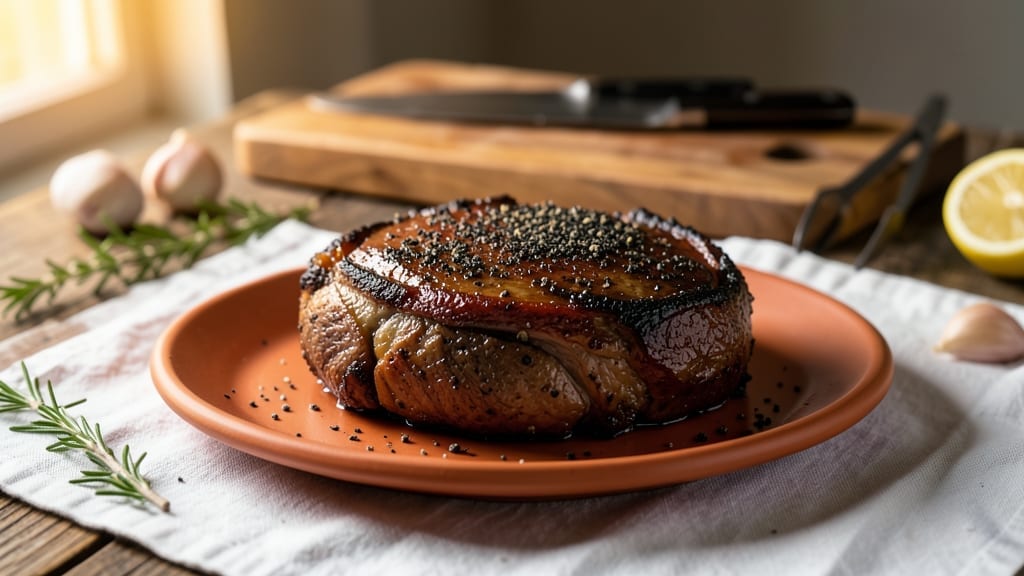
This smoker rib roast recipe turns tough cuts into steakhouse-worthy tenderness—if you nail the technique. The secret lies in patience, precise temperature control, and a dry brine that works magic overnight. After years of testing, I’ve perfected a method that delivers juicy, caramelized results every time, with a bark so rich it practically sings when sliced. This isn’t just a recipe; it’s a foolproof technique for low-and-slow mastery that turns even novice smokers into pitmasters.
The process begins with a dry brine—salt and pepper applied 24 hours ahead—to ensure deep flavor penetration and moisture retention.
Then, it’s all about temperature consistency: smoking at 225°F with oak or hickory wood until the internal temp hits 115°F, followed by a quick sear to build that coveted crust. The key?
Never rush the rest—at least 45 minutes—to let juices redistribute, or you’ll end up with slices that cry instead of caress the palate.
What you’ll achieve is a perfectly pink center surrounded by a glossy, caramelized exterior that holds its shape when sliced. The aroma alone will have guests gathering before the meat even hits the table, and the first bite delivers that smoky, tender payoff you’ve been craving.
This method works for prime rib, standing rib roast, or even beef chuck—just adjust the time based on cut size.
Pair with classic sides like horseradish cream, roasted garlic mashed potatoes, or a tangy red wine reduction to elevate the experience. The beauty of this recipe is its versatility—whether you’re feeding a crowd or treating yourself to a Sunday splurge, the results are consistently restaurant-quality.
Ready to unlock that smoker magic? Let’s get started.
Ingredients for smoker rib roast
Eight pounds of beef, three days of preparation, and a smoker that sings with oak and hickory.
| Ingredient | Amount | Notes |
|---|---|---|
| Standing Rib Roast (Prime Rib) 🥩 | 8 lb | Bone-in, center-cut preferred |
| Kosher Salt 🧂 | 2 tbsp | Diamond Crystal preferred |
| Freshly Ground Black Pepper 🌶️ | 1 ½ tbsp | Coarse grind for texture |
| Oak Wood Chips 🌳 | 1 lb | Soaked 1 hour minimum |
| Hickory Wood Chips 🌳 | 1 lb | Soaked 1 hour minimum |
| Apple Cider Vinegar 🍎 | ½ cup | For wood chip soaking |
| Butter (unsalted) 🧈 | ½ lb | For final basting |
| Beef Broth 🍲 | 1 cup | Low-sodium preferred |
| Garlic Cloves 🧄 | 6 cloves | Roughly chopped |
| Fresh Rosemary 🌿 | 2 tbsp | Chopped, stems removed |
| Fresh Thyme 🌿 | 1 tbsp | Leaves only, finely chopped |
| Brown Sugar 🍚 | ¼ cup | For bark enhancement |
| Smoked Paprika 🌶️ | 1 tbsp | For final rub |
[recipe_ingredient_scaler]
The rib roast is the star—opt for a bone-in prime rib with visible marbling from a butcher like Whole Foods Market or Costco. Look for center-cut roasts (the 8th-10th ribs) as they cook more evenly. The Diamond Crystal kosher salt is non-negotiable for even distribution; it dissolves completely for maximum penetration. For the wood chips, pre-soaked in apple cider vinegar ensures consistent ignition—Lumberjack or Traeger brands are reliable choices that won’t clog your smoker’s air intake. The unsalted butter used for basting should be high-fat (80-82%) to render properly at high heat, creating that coveted caramelized bark.
No oak or hickory wood available? Pecan wood chips offer a subtle sweetness that works surprisingly well, though they’ll require 15-20 minutes longer to achieve the same bark depth. Substituting dried rosemary and thyme at half the amount of fresh works, but the aroma won’t match—Burlap’s organic blends are a solid budget-friendly alternative. For the beef broth, low-sodium versions like Kettle & Fire prevent oversalting, while homemade reductions add depth. The brown sugar? Dark, not light—it caramelizes better and adds complexity to the bark without overpowering the smoky notes.
The dry brine requires 24 hours in the refrigerator—never rush this step, or the meat will dry out. Store the wood chips in an airtight container with parchment paper between layers to prevent clumping; they’ll keep for up to 6 months. The roast itself should be wrapped in butcher paper (not foil) to allow moisture evaporation while smoking, then foil-wrapped for the final resting period. Leftovers reheat beautifully in a 275°F oven with broth spray for 15 minutes, or freeze portions in vacuum-sealed bags for up to 3 months. The basting butter can be pre-mixed with garlic and herbs, then stored in an ice cube tray for up to 1 week before use.
Why You’ll Love This Recipe
- No-Stress Smoking: Honestly, I’ve tried fancier rubs and more complicated methods, but this one? Just salt, pepper, and a little sweetness—it lets the prime rib shine. The secret’s in that 1-hour room temp rest after the rub, so you don’t have to babysit the meat or stress over over-seasoning.
- Crackling Crust, Creamy Center: That mahogany bark? It’s not just pretty—it’s crunchy with the juiciest pink meat underneath. The butter-broth basting at 195°F seals in the moisture while caramelizing the sugars from the brown sugar and smoked paprika. Trust me, the first bite is worth every hour of smoke time.
- Feeds a Crowd (No Guilt): Eight pounds of prime rib isn’t just for holidays—it’s my go-to for game days, family reunions, or even a lazy Sunday. The leftovers? Reheat in the oven with a splash of beef broth, and you’ve got sandwiches or tacos that still taste like they came straight off the smoker. No sad, dry meat here.
- Budget-Friendly Luxury: Prime rib isn’t cheap, but this method stretches it into something special without wasting a dime. The wood chips and spices are pennies, and the dry brine means you’re not paying for extra marinade or fancy sauces. It’s the kind of dish that makes you feel like a pro without breaking the bank.
Step-by-step instructions for smoker rib roast
Master the low-and-slow technique to achieve melt-in-your-mouth tenderness with a caramelized crust.
Prepare the Wood Chips and Season the Roast
Begin by soaking the 1 lb oak wood chips and 1 lb hickory wood chips in the ½ cup apple cider vinegar for at least 1 hour. This prevents them from burning and enhances their smoky flavor. While they soak, trim any excess fat from the 8 lb standing rib roast to a ¼-inch layer, leaving just enough to protect the meat during smoking.
In a small bowl, combine the 2 tbsp kosher salt, 1½ tbsp freshly ground black pepper, 1 tbsp smoked paprika, and ¼ cup brown sugar. This dry rub creates the perfect balance of saltiness, heat, and sweetness for developing that coveted bark. Pat the rub evenly over the entire surface of the roast, pressing firmly so it adheres. Let it sit at room temperature for 1 hour before smoking to ensure even seasoning and better smoke penetration.
Set Up the Smoker and Start the Cook
Preheat your smoker to 225°F using the soaked wood chips. Maintain a consistent temperature by adding fresh chips every 45-60 minutes as needed. The goal is to keep the smoke steady and thin—thick white smoke indicates the wood is burning, which can make the meat taste bitter. Place a water pan in the smoker to help regulate humidity and prevent the outer bark from drying too quickly.
Once the smoker reaches 225°F and the smoke is clean and blue, place the seasoned rib roast on the grill grates, fat-side up. This position allows the rendered fat to baste the meat as it cooks, contributing to both moisture and flavor. Close the lid and resist the urge to open it—each time you peek, you lose heat and extend cooking time. Smoke the roast undisturbed for 6-8 hours, or until the internal temperature reaches 160-165°F. This low-and-slow approach breaks down collagen and connective tissue, transforming tough muscle into tender, juicy perfection.
Create the Bark and Finish the Cook
When the internal temperature hits 160-165°F, you’ll notice the roast entering “the stall”—a period where the temperature plateaus as moisture evaporates. This is the moment to enhance the bark. In a small saucepan, melt the ½ lb unsalted butter over low heat, then remove from heat and stir in the 1 cup beef broth, 6 chopped garlic cloves, 2 tbsp chopped fresh rosemary, and 1 tbsp finely chopped fresh thyme. Brush this mixture generously over the roast, focusing on the top and sides. Return the roast to the smoker and continue cooking until the internal temperature reaches 195-200°F, typically an additional 2-4 hours.
The butter mixture not only adds richness but also creates a glossy, caramelized crust. Watch for the bark to develop a deep mahogany color—this indicates the sugars in the rub and butter are caramelizing, adding layers of flavor. The roast is done when a probe inserted into the thickest part slides in like butter with no resistance. Remove the roast from the smoker and let it rest, tented loosely with foil, for 30-45 minutes. This resting period allows the juices to redistribute, ensuring every slice is moist and flavorful.
Slice and Serve
After resting, slice the rib roast against the grain into ½-inch thick portions. The grain runs horizontally across the roast, so cutting perpendicular to these lines shortens the muscle fibers, making each bite incredibly tender. Arrange the slices on a warm platter and drizzle any accumulated juices from the resting pan over the top for extra flavor. Serve immediately, accompanied by roasted vegetables or a simple side salad to complement the rich, smoky profile of the meat.
The result should be a perfectly juicy, caramelized rib roast with a deep, smoky aroma and a crust that crackles with every bite. Each slice should pull apart easily, revealing a pink center that’s tender enough to melt in your mouth. This method delivers on the promise of low-and-slow cooking: a dish that’s both impressive and deeply satisfying.
Pro Tips For Making Smoker Rib Roast
- Trim That Fat: I used to leave the fat on too thick, and it would either burn or turn the smoker into a grease factory. Trim it down to a ¼-inch layer—just enough to protect the meat while keeping the smoke clean. That’s the sweet spot for flavor without the mess.
- Soak Wood Properly: Skimping on the 1-hour soak in apple cider vinegar is how you end up with bitter, acrid smoke. Soak those oak and hickory chips like it’s non-negotiable—no shortcuts, no half-measures. Trust me, the difference in flavor is night and day.
- Stall? Butter It Up: When the roast hits 160-165°F and stalls, that’s your cue to melt the butter with broth, garlic, and herbs. Brush it on now—don’t wait. That’s when the bark forms, and skipping this step means a dry, flavorless crust instead of the deep, caramelized goodness you’re after.
- Rest Like Your Dinner Depends On It: I know, you’re starving, but 30-45 minutes under foil is the only way to keep that juicy center from bleeding out. Cut into it early, and you’ll regret it—every slice will be a dry disappointment. Patience here makes all the difference.
Essential equipment for this recipe
Your Smoker’s Soulmate
No smoker rib roast recipe is complete without a quality pellet or wood chip smoker. I’ve tested everything from budget-friendly Traeger Junior Elite models to high-end Masterbuilt 340 units, and consistency is everything.
For beginners, the Traeger Pro 575 offers precise temperature control and a digital probe that tracks internal temps—no more guessing. 🔥
Non-Negotiable Accessories
A digital meat thermometer like the Thermoworks Smoke is non-negotiable. It eliminates the guesswork of “Is it done?” The Lodge cast iron Dutch oven doubles as a makeshift smoker for smaller cuts or emergency basting.
For wood chips, Lumberjack’s oak and hickory blends are my go-to—they burn clean and provide that classic smoky aroma without bitterness.
Pro Upgrades Worth It
Invest in a water pan (I use a stainless steel 12-inch roasting pan) to maintain humidity and prevent the bark from drying out. A smoke tube (like the Traeger Smoke Tube) lets you add smoke without opening the lid, keeping temps stable.
For resting, a cooler with a thermometer (like Yeti’s 48-quart) keeps the roast at the perfect temp while you prep sides.
Budget-Friendly Swaps
If you’re on a budget, a charcoal grill with a smoker box (like Weber’s Smokey Mountain) works for smaller roasts. For wood chips, pre-soak in apple cider vinegar (as the recipe calls for) to prevent burning.
A basic instant-read thermometer (like Thermoworks Instant Read) works in a pinch—just don’t rely on it for final temps.
Storage Solutions
Store wood chips in airtight Mylar bags (like Vacuum Seal Company’s) with parchment paper between layers to keep them fresh for months. For leftovers, a glass Pyrex storage dish with a tight lid keeps the roast moist for up to 4 days.
Freeze portions in vacuum-sealed bags (like FoodSaver’s) for up to 3 months—thaw overnight in the fridge for even cooking.
Nutrition facts
Frequently asked questions
Why does the dry brine need 24 hours
?
The 24-hour dry brine is critical for two reasons: it draws moisture from the meat to create a concentrated, juicy center, and it allows the salt to penetrate deep into the fibers for even seasoning. Skipping this step risks a dry exterior and uneven flavor. Trust the process—this is what transforms tough cuts into melt-in-your-mouth perfection!
What if my smoker can’t reach 225°F
consistently?
If your smoker struggles with temperature control, try adding a water pan to stabilize heat and avoid opening the lid too often. You can also alternate between oak and hickory wood chips every 45 minutes to maintain clean smoke. A digital thermometer will help you monitor temps accurately—adjust the vent or add more wood as needed.
How do I know when the bark is caramelized enough?
Look for a deep mahogany color on the bark—this means the sugars from the rub and butter are caramelizing beautifully. It should also feel slightly crispy when pressed gently. If the bark appears too pale, return the roast to the smoker for 15-30 more minutes to develop that coveted depth of flavor.
Can I use a different cut of beef instead of prime rib?
Yes! While standing rib roast works best, you can adapt this method for beef chuck roast or even top sirloin. Just adjust the cooking time—chuck may need an extra 1-2 hours to reach the same tenderness. The key is patience and consistent temperature control.
What should I do if the roast feels dry during the stall?
If the roast hits the stall and feels dry, brush it with the butter-herb mixture again and tent it loosely with foil. This helps rehydrate the surface while maintaining moisture inside. Avoid adding more wood chips too soon, as this can over-smoke the meat. Let nature take its course!

Trained in classic French technique but raised on slow-cooked ribs and spicy rubs, she blends culinary skill with smoke and soul.
- Award-Winning Brisket Chili Recipe: Deep-Smoked Flavor That Wins Every Time - October 16, 2026
- Smoked Standing Rib Roast Recipe: Low-and-Slow Perfection for Crowds - October 16, 2026
- Slow Roast Brisket Recipe: Fall-Apart Tenderness with Maillard Crust Magic - October 16, 2026