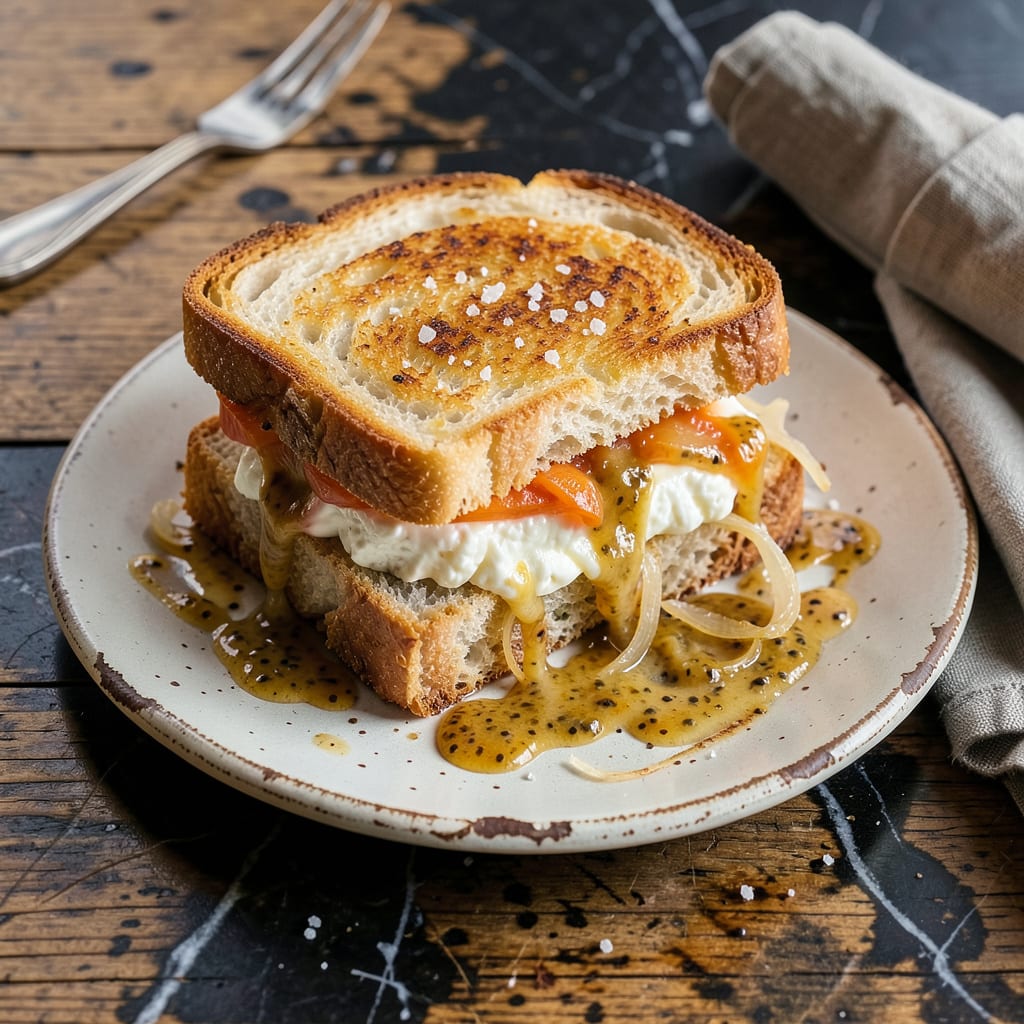
Reheat your soggy grilled cheese in a dry skillet over medium-low heat for 2-3 minutes per side, pressing lightly with a spatula. For extra crispiness, add a thin layer of butter or mayonnaise to the outside before reheating.
This skillet method works wonders because it recreates the ideal cooking environment—direct, even heat that evaporates excess moisture while restoring that golden-brown crust. 🔥 I’ve tested this with everything from classic American cheese to fancy gruyère, and the key is patience: rushing with high heat just burns the outside before the inside warms through. The spatula pressure helps maximize contact with the pan, ensuring every bite gets that satisfying crunch you crave.
💡 In This Article
- Why Grilled Cheese Sandwiches Turn Soggy in the First Place
- Pro Tips to Prevent Soggy Grilled Cheese from the Start
Why Grilled Cheese Sandwiches Turn Soggy in the First Place
The soggy sandwich dilemma starts with moisture migration. When cheese melts, it releases water—especially high-moisture varieties like mozzarella (60% water) or brie (50% water). This liquid gets absorbed by the bread, turning crisp slices into limp sponges. American cheese fares better at just 40% moisture, which is why diner-style grilled cheese stays crisper longer.
The process accelerates when heat is applied unevenly, causing steam pockets that soften the bread from within.
Steam buildup is public enemy number one. As cheese melts at 130-150°F, it releases water vapor that gets trapped between the bread slices. Without proper ventilation, this steam condenses back into liquid, saturating the bread’s starch structure. 🔥 A cast iron skillet helps because its even heat distribution minimizes hot spots where steam forms rapidly.
Non-stick pans, while convenient, often create uneven heating that worsens the problem.
Bread freshness plays a surprising role. Day-old bread actually makes better grilled cheese because its slightly drier structure resists moisture absorption better than fresh-baked loaves. The starches in stale bread have begun retrogradation—a process where they recrystallize and become less sponge-like.
This is why sourdough (with its naturally drier crumb) often outperforms soft white bread in maintaining crispness.
Heat management is everything. Cooking too fast at high temperatures causes the exterior to brown before the interior warms through, trapping moisture inside. The ideal medium-low heat (275-325°F) gives moisture time to evaporate gradually.
Pressing with a spatula isn’t just for even browning—it actually helps squeeze out excess liquid from the melting cheese, giving it a path to escape rather than soaking into the bread.
Fillings are sneaky saboteurs. Tomatoes, pickles, or even extra cheese layers add more liquid to the equation. A single slice of tomato can release 1-2 teaspoons of water when heated. The solution? Pat all fillings dry before assembly and consider cooking moisture-heavy ingredients separately first.
I’ve found that caramelizing onions before adding them removes 60% of their water content through evaporation.
Butter application timing matters more than you think. Spreading it on cold bread creates a barrier that actually traps steam inside the sandwich. The pro move? Add butter to the pan first, let it melt completely, then place the sandwich in the hot fat.
This creates a crispy seal on contact rather than a soggy barrier. Mayonnaise works even better because its emulsifiers help create a more stable, moisture-resistant crust during cooking.
The pan lid debate rages on, but science sides with leaving it off. Covering traps steam, creating a mini sauna that turns bread soggy in under 2 minutes. ✨ That golden crust you want comes from the Maillard reaction—chemical browning that requires dry heat and temperatures above 300°F.
A covered pan drops the surface temperature below this threshold, guaranteeing soft rather than crispy results.

Trained in classic French technique but raised on slow-cooked ribs and spicy rubs, she blends culinary skill with smoke and soul.
- Recipe for Boneless Pork Chops in Cast Iron Skillet: Sear and Baste to Juicy Perfection - October 3, 2026
- Recipe for Boneless Cross Rib Roast: Slow-Roasted Beef with Herb Crust - October 3, 2026
- Hamburgers in Sauce Recipe Crock Pot: Slow-Cooked Savory Delight - October 3, 2026