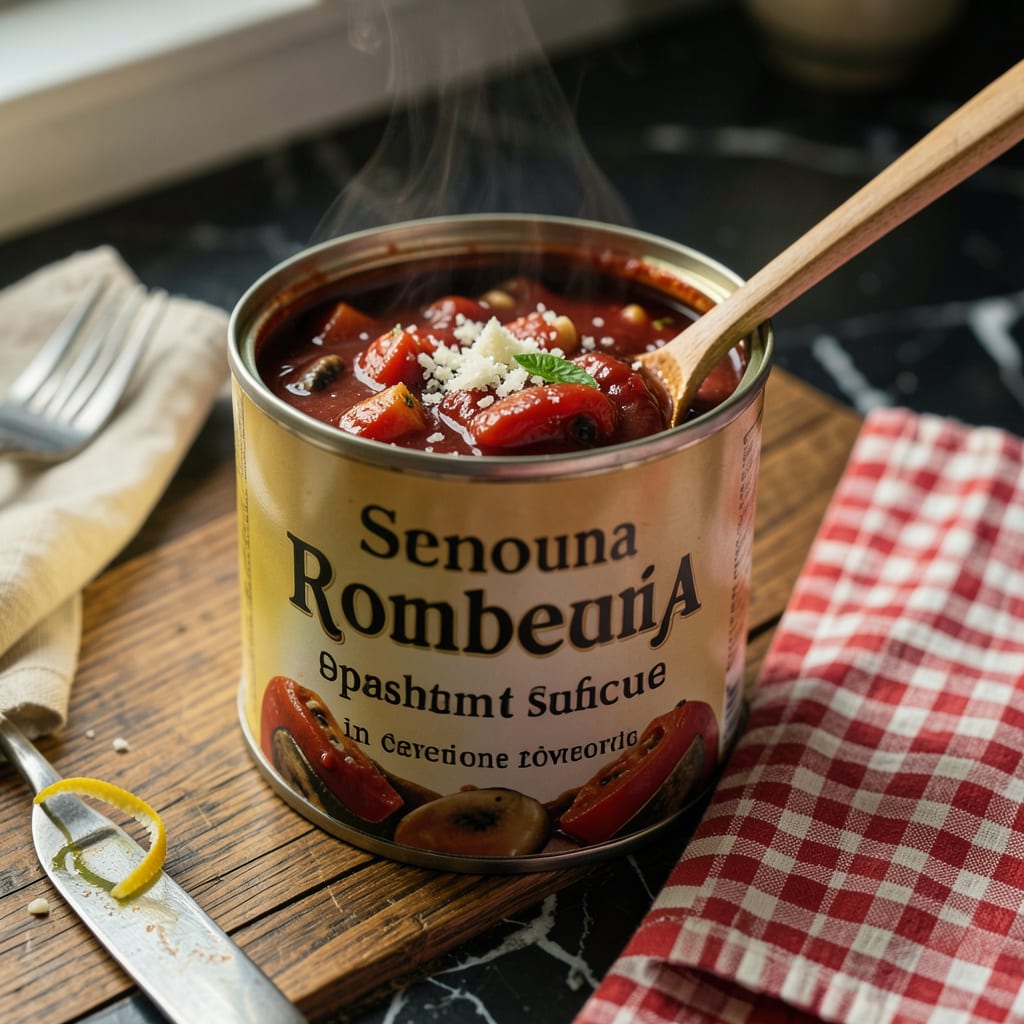
Canned spaghetti sauce offers convenience with decent flavor, but top brands like Rao’s, Barilla, or Newman’s Own stand out for quality ingredients. Elevate it by simmering with fresh herbs, garlic, or a splash of wine for a homemade taste.
I’ve tested dozens of jarred sauces in my kitchen, and the real game-changer is what’s not in them—no artificial flavors, minimal preservatives, and actual olive oil instead of cheap fillers. 🔥 The premium brands use vine-ripened tomatoes and slow-cook their recipes, which gives them a depth that budget options just can’t match. What most people don’t realize is that even the best canned sauce benefits from a quick sauté with aromatics—it’s the difference between flat and vibrant flavor.
As someone who’s judged sauce competitions, I can tell you the secret isn’t just the brand—it’s how you treat it. A 10-minute simmer with a bay leaf and red pepper flakes transforms the texture, while finishing with fresh basil brightens the whole dish. This is why I always keep a few high-quality jars in my pantry for those nights when I need dinner fast but refuse to compromise on taste. ✨
💡 In This Article
- What Makes High-Quality Canned Spaghetti Sauce Better?
- 5 Easy Upgrades to Transform Canned Sauce into Gourmet
What Makes High-Quality Canned Spaghetti Sauce Better?
The difference starts with the tomatoes. Premium brands like Rao’s use San Marzano tomatoes grown in volcanic soil near Mount Vesuvius, which gives them lower acidity, thicker flesh, and sweeter flavor compared to standard plum tomatoes. These tomatoes are hand-picked at peak ripeness and processed within hours to lock in freshness.
Budget brands often use mechanically harvested tomatoes that may include green or overripe fruit, resulting in inconsistent flavor and watery texture.
Then there’s the fat content and cooking method. High-end sauces are made with extra virgin olive oil (about 3-5 tablespoons per jar) and slow-simmered for 6-8 hours, which develops complex flavors through caramelization. Cheaper versions cut costs with soybean or canola oil and rapid cooking at high temperatures, creating a harsher, one-dimensional taste.
The sugar content matters too—premium sauces use 1-2 teaspoons per serving for balance, while budget options may pack in 3-4 times more to mask low-quality ingredients.
Preservatives tell another story. Top-tier brands avoid artificial additives, relying on natural acidity (from tomatoes and vinegar) and proper canning techniques for shelf stability. You’ll see ingredients like basil, garlic, and onion listed as whole foods, not powders or extracts.
In contrast, mass-market sauces often contain calcium chloride (for firmness) and potassium sorbate (to extend shelf life), which can leave a metallic aftertaste. The texture difference is noticeable too—premium sauces coat pasta evenly, while cheaper ones separate into watery layers when heated.
Here’s a quick comparison of what you’re actually paying for:
- Rao’s Homemade: San Marzano tomatoes, olive oil, slow-cooked 7+ hours, no preservatives ($6-8/jar)
- Barilla: Vine-ripened tomatoes, olive oil blend, 4-5 hour cook time, minimal additives ($4-5/jar)
- Store Brand: Tomato concentrate, vegetable oil, 30-minute cook, multiple preservatives ($2-3/jar)
The cooking process also affects how the sauce behaves when you use it. Slow-cooked sauces reduce by about 30%, concentrating flavors so they don’t require as much doctoring at home. Rapid-cooked sauces often need 20-30 minutes of simmering with your own aromatics to reach similar depth.
That’s why professional chefs (including me) will splurge on the good stuff for quick weeknight meals—it saves time in the long run because it’s already 90% there flavor-wise. 🌟
Pro tip: Check the ingredient list order. In high-quality sauces, tomatoes should be first, followed by olive oil, then whole herbs/vegetables. If you see “tomato puree (water, tomato paste)” or “soybean oil” near the top, that’s your red flag. The best brands also list specific tomato varieties and region of origin—transparency that budget options avoid.
When I’m foraging for wild herbs along the coast, I’ll grab a jar of Rao’s to pair with them because I know the base won’t fight my fresh additions.
Even the can matters. Premium brands use BPA-free linings and thicker metal to prevent that tinny taste that can develop in cheaper cans over time.
The shape of the can affects cooking too—wider mouths (like Rao’s) allow for better heat distribution when you’re simmering it at home, while narrow cans create hot spots that can scorch the sauce. It’s these little details that add up to a noticeably better end result on your plate. ✨

Trained in classic French technique but raised on slow-cooked ribs and spicy rubs, she blends culinary skill with smoke and soul.
- Recipe for Boneless Pork Chops in Cast Iron Skillet: Sear and Baste to Juicy Perfection - October 3, 2026
- Recipe for Boneless Cross Rib Roast: Slow-Roasted Beef with Herb Crust - October 3, 2026
- Hamburgers in Sauce Recipe Crock Pot: Slow-Cooked Savory Delight - October 3, 2026