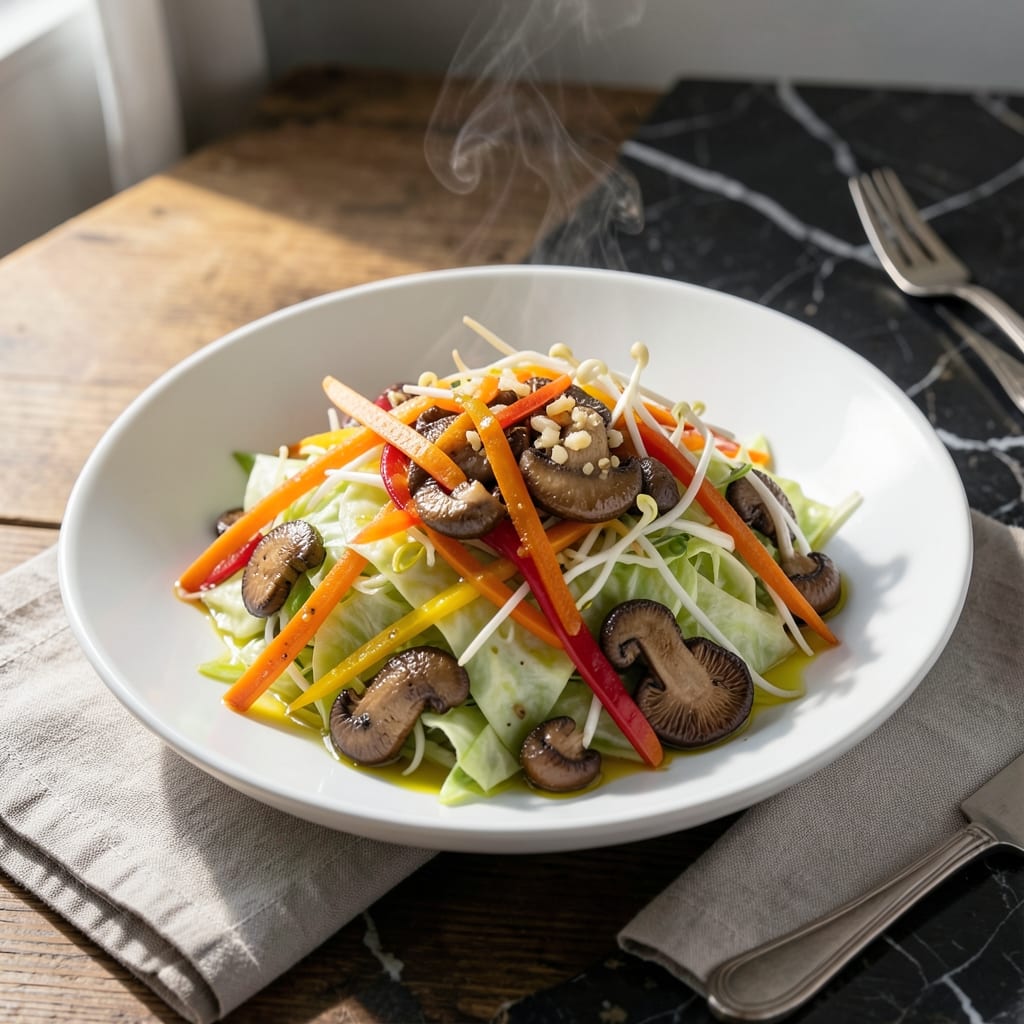
This spring roll filling delivers a perfect balance of textures and flavors, combining crisp vegetables with a savory depth that makes every bite satisfying. The key is fresh ingredients and precise cooking times to maintain that signature crunch.
I’ve refined this recipe to ensure the filling stays vibrant and flavorful, whether you’re making fresh spring rolls or prepping ahead for later. A quick stir-fry locks in the natural sweetness of the veggies while keeping them tender-crisp.
What you get is a versatile mix that works in rice paper wrappers, egg roll skins, or even as a standalone stir-fry. It’s packed with color and nutrition, and it adapts easily to dietary preferences.
Ready in under 20 minutes, this filling is a foolproof way to elevate your spring rolls with minimal effort.
Ingredients for Spring Roll Filling
Fresh veggies and bold seasonings make this filling pop with every bite.
| Ingredient | Amount | Notes |
|---|---|---|
| Shredded Cabbage 🥬 | 4 cups | Green or purple variety |
| Julienned Carrots 🥕 | 2 cups | Peeled, cut into matchsticks |
| Thinly Sliced Bell Peppers 🌶️ | 1 ½ cups | Red or green, seeded |
| Bean Sprouts 🌱 | 1 cup | Rinsed, drained well |
| Shiitake Mushrooms 🍄 | 1 cup | Thinly sliced, stems removed |
| Minced Garlic 🧄 | 4 cloves | Freshly minced preferred |
| Minced Fresh Ginger 🌿 | 1 tbsp | Peeled, finely minced |
| Soy Sauce 🫒 | 3 tbsp | Low-sodium preferred |
| Oyster Sauce 🫒 | 1 tbsp | Vegetarian version optional |
| Sesame Oil 🫒 | 1 tbsp | Toasted, for depth |
| Vegetable Oil 🫒 | 2 tbsp | For stir-frying |
| Green Onions 🧅 | ½ cup | Thinly sliced, green parts only |
| Salt 🧂 | ½ tsp | To taste, adjust as needed |
| Black Pepper 🌶️ | ¼ tsp | Freshly ground preferred |
[recipe_ingredient_scaler]
The cabbage is your base—Napa or green cabbage both work, but green holds up better to stir-frying. For the carrots and bell peppers, julienne cuts give that classic spring roll texture. I grab mine pre-shredded from Trader Joe’s when I’m in a hurry (the good stuff, not the sad bag that’s been sitting for weeks). Shiitake mushrooms add meaty depth, but cremini or white button work too if that’s what’s on hand.
No oyster sauce? Hoisin or fish sauce can step in, but skip the fish sauce if you need this vegetarian. For the ginger and garlic, jarred minced works in a pinch, but fresh makes a difference. The sesame oil is non-negotiable—toasted variety only. If you’re avoiding gluten, tamari instead of soy sauce keeps everything intact without losing flavor.
This keeps 3-4 days in the fridge, but honestly it’s best fresh. Freeze extras in portions for up to 3 months—just thaw and drain excess liquid before using. The veggies will soften slightly, but the flavor stays bright.
Why You’ll Love This Recipe
- One Pan Wonder: I toss all the veggies—cabbage, carrots, peppers—in one skillet and they cook down in minutes. Honestly, cleanup is just a quick wipe.
- Umami Bomb: The shiitake mushrooms add this deep, savory richness that makes the filling ridiculously good.
- Meal Prep Hero: I make a big batch on Sunday and use it for rolls, bowls, or stir-fries all week.
- Budget Stretcher: Between us, a head of cabbage and a few carrots cost pennies but feed a crowd.
Step-by-Step Instructions for Spring Roll Filling
Here’s how to combine these fresh ingredients into a flavorful, crunchy filling.
Step 1: Sauté the Aromatics
Heat the 2 tablespoons vegetable oil in a wok or large skillet over medium-high heat until it shimmers. Add the 4 cloves minced garlic and 1 tablespoon minced fresh ginger, stirring constantly for 30 seconds until fragrant.
Watch the heat carefully here—garlic burns easily. You want it to turn just light golden at the edges, not dark brown. This base layer of flavor will infuse the entire filling, so don’t rush it.
Step 2: Cook the Heartier Vegetables
Add the 1 cup shiitake mushrooms and stir-fry for 2-3 minutes until they begin to soften and release their moisture. Then add the 2 cups julienned carrots and 1.5 cups thinly sliced bell peppers.
Cook for another 3-4 minutes, stirring frequently, until the vegetables are tender-crisp. The carrots should still have a slight bite to them—they’ll soften slightly more as the filling cools. This step builds the foundation of your filling’s texture and flavor.
Step 3: Incorporate the Remaining Vegetables
Stir in the 4 cups shredded cabbage and 1 cup bean sprouts. Cook for 2-3 minutes until the cabbage wilts slightly but retains some crunch. The filling should be vibrant and colorful, with each vegetable maintaining its distinct texture.
This is where you achieve that perfect balance of soft and crunchy. The cabbage will reduce significantly, so don’t be alarmed by the initial volume. Keep the heat high and stir constantly to prevent any vegetable from steaming instead of stir-frying.
Step 4: Season and Finish
Pour in the 3 tablespoons soy sauce, 1 tablespoon oyster sauce, and 1 tablespoon sesame oil. Stir well to coat all the vegetables evenly. Sprinkle with the 0.5 teaspoon salt and 0.25 teaspoon black pepper, then toss to combine.
Cook for another 1-2 minutes to allow the flavors to meld. Finally, stir in the 0.5 cup green onions, reserving a small handful for garnish if desired. The filling is ready when everything is well-coated and the liquid has mostly evaporated, leaving a glossy, flavorful mixture.
Pro Tips For Making Spring Roll Filling
- Salt the Cabbage First: Toss shredded cabbage with 1 tsp salt and let sit for 10 minutes—I learned this the hard way after my first few spring rolls turned soggy. Squeeze out the liquid before cooking to guarantee a crisp filling.
- Pre-Cook the Mushrooms: Shiitakes release a ton of water, so sauté them separately first until golden, about 5-6 minutes. Adding them raw to the filling makes the whole mix steam instead of sear.
- Skip the Overcrowding: Cook the filling in batches if needed—dumping all the veggies in at once just steams them. High heat and space between the pieces actually changes the outcome, giving you that perfect slightly charred texture.
- Use a Wok: Sounds obvious, but a wok’s high sides and wide surface make tossing the filling way easier than a skillet. I was skeptical until I tried it, and now I won’t go back.
Common Mistakes When Making This Recipe
Overcooking Veggies
The biggest mistake is letting the vegetables lose their crunch. Stir-fry for no more than 3-4 minutes after adding the cabbage and sprouts. The moment they start to look dull, pull them off the heat—they’ll continue cooking from residual warmth. 🔥
Skipping High Heat
Spring roll filling demands medium-high to high heat throughout. If your oil isn’t shimmering or your wok isn’t hot enough, you’ll end up with soggy, steamed veggies instead of that perfect tender-crisp texture. I always let my pan preheat for 2 full minutes before adding anything.
Overcrowding the Pan
Trying to cook all the veggies at once leads to steaming, not stir-frying. Work in batches if needed—start with mushrooms, carrots, and peppers, then add the cabbage and sprouts. This ensures even cooking and that coveted wok hei flavor. Trust me, your filling will thank you.
Ignoring the Sauce Timing
Adding soy or oyster sauce too early can make the filling watery. Wait until the very end, after all veggies are cooked, to toss in your 3 tablespoons soy sauce and 1 tablespoon oyster sauce. This way, the flavors cling instead of pooling at the bottom.
Using Dull Knives
Uniform cuts are key for even cooking. A dull knife crushes veggies, making them release excess moisture. I sharpen mine before prepping—julienned carrots and thinly sliced bell peppers should look like matchsticks, not chunky bits. 💡
Skipping the Taste Test
Always taste before finalizing. The filling might need an extra pinch of salt or a splash of sesame oil to balance the flavors. I adjust seasoning in ¼ teaspoon increments until it’s just right.
Nutrition Facts
Frequently Asked Questions
Can I make this vegetarian or vegan?
Just swap the oyster sauce for vegetarian oyster sauce or hoisin. All other ingredients are naturally plant-based.
How long does the filling keep in the fridge?
It stays fresh for 3-4 days in an airtight container. For best texture, drain any excess liquid before using.
What’s the best way to reheat leftover filling?
Quickly stir-fry in a hot pan for 1-2 minutes to restore crunch. Microwaving can make it soggy.
Can I add protein to this recipe?
Yes! Cook ½ pound shrimp, chicken, or tofu separately first, then mix in at the end.

Trained in classic French technique but raised on slow-cooked ribs and spicy rubs, she blends culinary skill with smoke and soul.
- Recipe for Boneless Pork Chops in Cast Iron Skillet: Sear and Baste to Juicy Perfection - October 3, 2026
- Recipe for Boneless Cross Rib Roast: Slow-Roasted Beef with Herb Crust - October 3, 2026
- Hamburgers in Sauce Recipe Crock Pot: Slow-Cooked Savory Delight - October 3, 2026