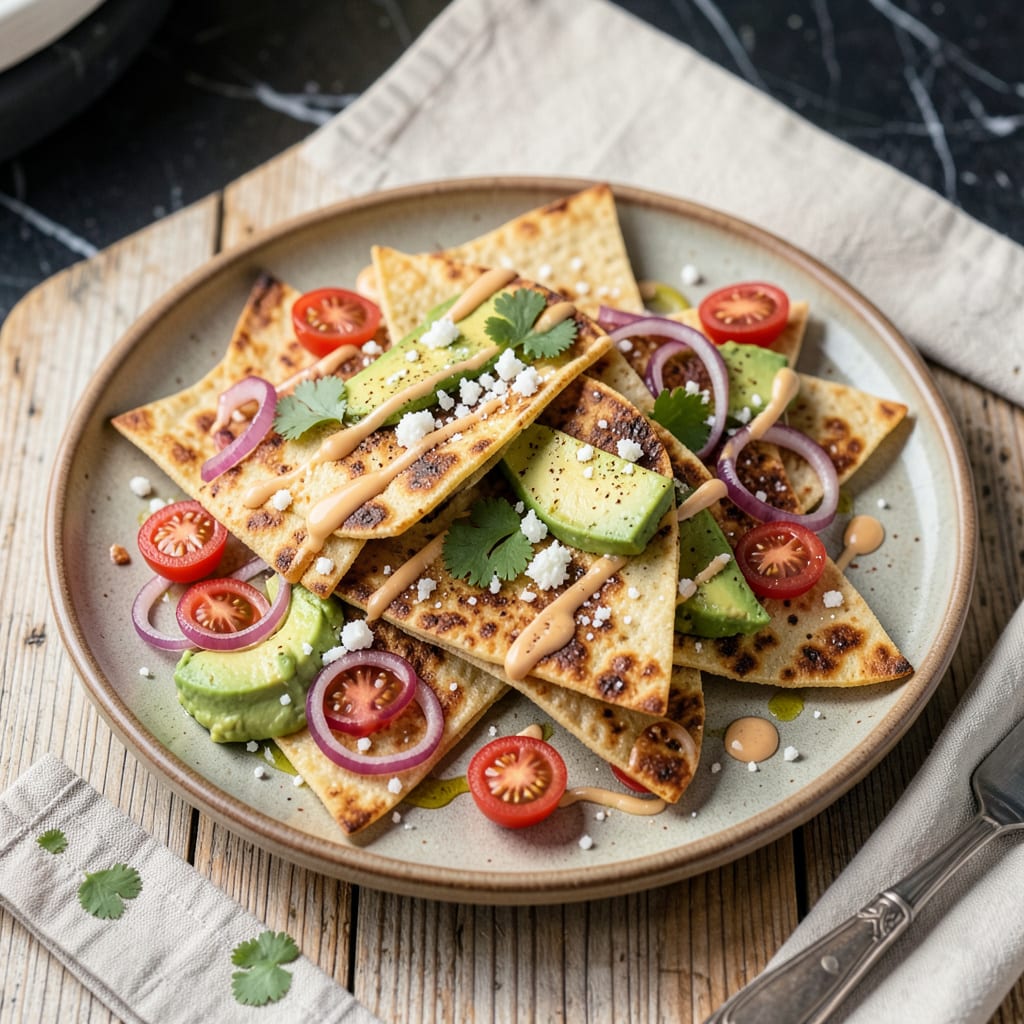
Stale tortillas can be transformed into crispy chips, hearty casseroles, or flavorful soups. Revive them by lightly toasting, frying, or baking to restore texture and enhance taste.
I love how this works because stale tortillas actually absorb flavors better than fresh ones—think of them as blank canvases ready for spices and sauces. 🔥 My go-to trick is cutting them into wedges and tossing with olive oil and chili powder before baking at 375°F for 8-10 minutes. The dryness that makes them seem ruined is exactly what helps them crisp up perfectly, while their sturdy structure holds up in layered dishes like enchiladas or tortilla pies.
What most people don’t realize is that the staling process concentrates the corn or wheat flavors, making them more robust when cooked. ✨ I’ve found flour tortillas work best for casseroles where you want soft layers, while corn tortillas become incredibly crunchy when fried or baked—ideal for chips that stay crispy even with dips.
💡 In This Article
- Why Tortillas Go Stale and How Texture Changes
- Top 5 Easy Recipes Using Stale Tortillas
Why Tortillas Go Stale and How Texture Changes
When tortillas go stale, the culinary villain is starch retrogradation—a process where the starch molecules realign into rigid crystal structures. Fresh tortillas have soft, pliable starches that hold moisture, but over time (typically 24-48 hours at room temperature), these molecules reorganize.
This transformation forces water out of the starch network, leaving the tortilla dry and brittle. Corn tortillas stale faster than flour because their starch granules are smaller and more prone to crystallization.
The moisture loss isn’t just about dryness—it’s about structural collapse. A fresh tortilla contains about 30-35% moisture, while a stale one drops below 20%. This explains why stale tortillas crack instead of bend. Temperature accelerates this: refrigeration speeds staling by 2-3x compared to room temp, while freezing pauses it entirely.
🔥 That’s why I always store tortillas in a paper bag at room temperature—the slight airflow prevents condensation that would otherwise soften them unevenly.
Here’s what’s fascinating: the staling process actually concentrates flavors. As moisture evaporates, the corn or wheat flavors become more pronounced—this is why stale tortillas make superior chips. When you bake them at 375°F, the residual sugars caramelize more intensely than in fresh tortillas, creating deeper toasty notes.
Flour tortillas develop a nuttier taste when stale, while corn tortillas gain an earthier, almost toasted corn aroma.
The texture change isn’t all bad—it’s a transformation. Stale corn tortillas become perfect for frying because their rigid structure holds shape better than fresh ones, resulting in chips that stay crispy longer. Flour tortillas, when stale, absorb liquids more slowly in casseroles, preventing the soggy layers that plague fresh tortilla dishes.
✨ I’ve found that cutting stale flour tortillas into strips for migas gives them just enough resistance to stay distinct in the scramble rather than dissolving.
What most people miss is that staling affects the two types differently due to their composition. Corn tortillas (made from masa harina) contain more amylose starch, which retrogrades faster but creates superior crunch when revived. Flour tortillas have more amylopectin, which makes them better for soft applications like enchiladas even when stale.
The key is matching the revival method to the tortilla type—baking for corn, light frying or steaming for flour.
Pro tip: If you’re working with extremely stale tortillas (think 3+ days old), a quick 10-second microwave spritz with water before reviving helps redistribute moisture. This trick gives you better control over the final texture, whether you’re aiming for crispy chips or tender casserole layers.
The science is simple—you’re temporarily reversing the retrogradation to make the starches pliable again before applying heat. 💫

Trained in classic French technique but raised on slow-cooked ribs and spicy rubs, she blends culinary skill with smoke and soul.
- Recipe for Boneless Pork Chops in Cast Iron Skillet: Sear and Baste to Juicy Perfection - October 3, 2026
- Recipe for Boneless Cross Rib Roast: Slow-Roasted Beef with Herb Crust - October 3, 2026
- Hamburgers in Sauce Recipe Crock Pot: Slow-Cooked Savory Delight - October 3, 2026