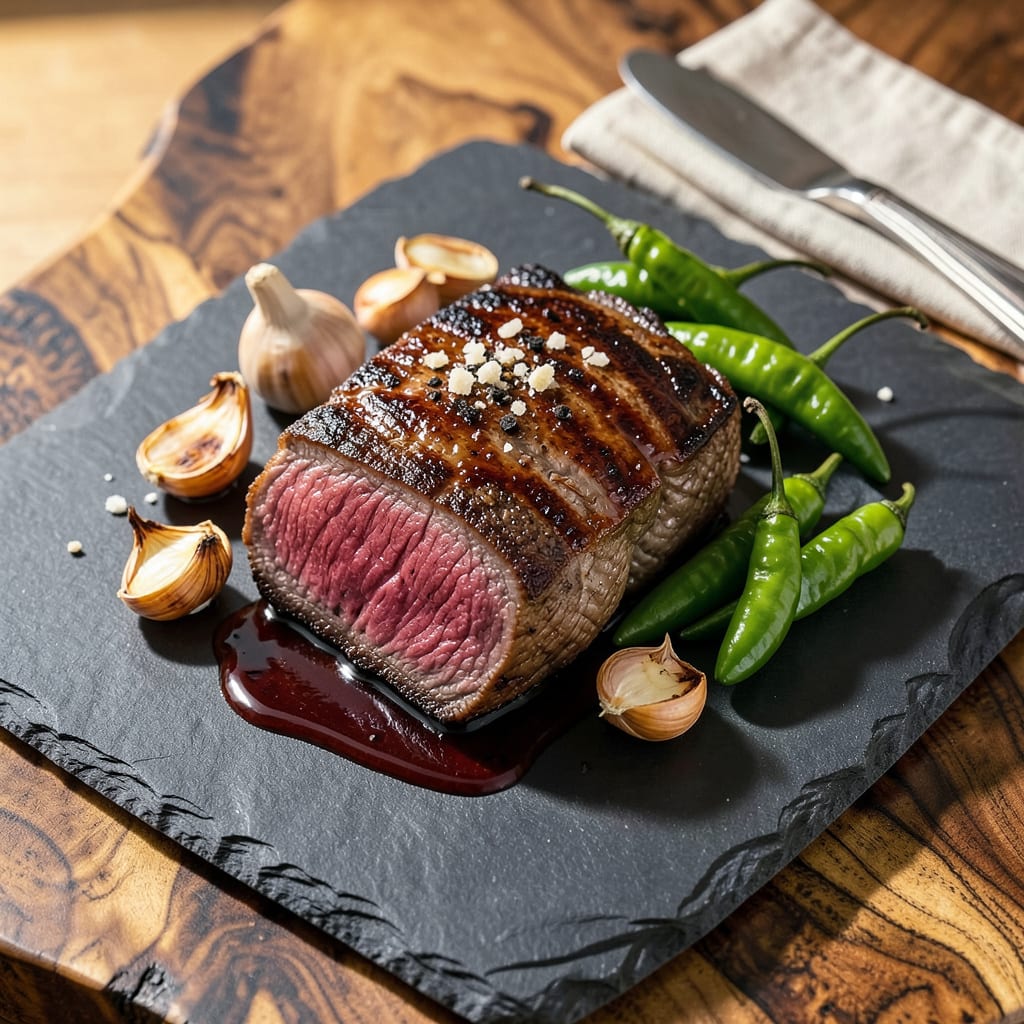
Let me tell you something—you don’t need butter to cook a juicy, flavor-packed steak that’ll knock your socks off. I’ve been perfecting this method since my pitmaster days, and the secret lies in how you handle the heat and seasoning. That first sizzle when the steak hits the pan? That’s where the magic starts.
This isn’t about replacing butter—it’s about unlocking flavors you never knew were possible. I use a simple trio of high-heat oil, aggressive seasoning, and precise timing to create a crust so good you’ll forget butter was ever part of the equation. The key is letting the meat speak for itself while building layers of flavor through proper technique.
What you’ll get is steak with a perfectly caramelized exterior and tender, juicy interior every single time. No butter means the beef’s natural flavors shine through, enhanced by whatever fat you choose—whether it’s robust olive oil or neutral avocado oil. The technique works for any cut, from ribeye to flank steak.
I’ll walk you through the entire process, from dry-brining to resting, with all the pitmaster tricks I’ve picked up over the years. This method delivers restaurant-quality results without fancy ingredients or complicated steps. Let’s fire up that pan and get cooking.
📚 In This Guide
- What You’ll Need
- Instructions
- Tips and Common Mistakes
What Youll Need
- ● Steak: 1-2 cuts (1–1.5 inches thick), like ribeye, NY strip, or sirloin (8–16 oz per serving)
- ● High-smoke-point oil: 1–2 tbsp (avocado, grapeseed, or refined olive oil)
- ● Kosher salt: 1–2 tsp (coarse flakes for better crust)
- ● Freshly ground black pepper: 1 tsp (or to taste)
- ○ Garlic: 2–3 cloves (optional, for aroma)
- ○ Fresh herbs: Sprigs of rosemary or thyme (optional, for extra flavor)
- ● Heavy skillet (cast iron or stainless steel)
- ● Tongs (avoid forks—they pierce the meat!)
- ● Meat thermometer (for precision)
- ● Paper towels (to pat the steak dry)
- ● Wire rack + baking sheet (for resting)
Instructions for Perfect Steak Without Butter
Here’s how to achieve restaurant-quality results using simple techniques that guarantee juiciness every time.
Select and Prepare Your Steak
Choose a well-marbled cut like ribeye or New York strip, about 1 to 1½ inches thick for best results. The marbling (those white fat streaks) melts during cooking, keeping the meat moist without needing butter. Pat the steak completely dry with paper towels – any moisture on the surface will steam instead of sear.
Let the steak sit at room temperature for 30-45 minutes before cooking. This ensures even cooking from edge to center. I like to place it on a wire rack set over a plate to allow air circulation on all sides, which helps develop that perfect crust later.
Season Generously for Maximum Flavor
Season both sides of the steak aggressively with kosher salt and freshly ground black pepper. Don’t be shy – you want a visible crust of seasoning that will form a delicious bark during cooking. I use about 1 teaspoon of salt per pound of meat, which might seem like a lot but most will stay on the surface.
For extra flavor, you can add garlic powder or smoked paprika to your seasoning mix. Press the seasoning into the meat so it adheres well. The salt will also help draw out moisture from the surface, which is exactly what we want for that perfect sear. Let the seasoned steak rest for 10 minutes before cooking to allow the salt to penetrate slightly.
Sear at High Heat for Crust Development
Heat a heavy skillet (cast iron works best) over high heat until it’s smoking hot. Add 1-2 tablespoons of high-smoke-point oil like avocado or grapeseed oil – just enough to coat the bottom. The oil should shimmer but not smoke excessively when you add the steak.
Place the steak in the pan and don’t move it for 2-3 minutes. You’ll hear a loud sizzle – that’s the sound of perfect crust formation. Resist the urge to peek or move the steak. It will release naturally when it’s ready to flip. For a 1-inch thick steak, cook for 2-3 minutes per side for medium-rare, adjusting slightly for thicker cuts or different doneness preferences.
Finish with Aromatics for Depth
During the last 1-2 minutes of cooking, add 3-4 garlic cloves (lightly crushed but still whole) and 2-3 sprigs of fresh thyme or rosemary to the pan. The garlic will infuse the oil with flavor without burning, and the herbs will add a subtle aromatic quality to your steak.
Baste the steak with the hot oil by tilting the pan and spooning the oil over the top repeatedly. This technique helps cook the top surface while adding flavor from the garlic and herbs. Be careful as the oil will be very hot. Remove the steak when it reaches your desired internal temperature (130°F for medium-rare).
Rest and Serve for Optimal Juiciness
Transfer the steak to a cutting board and let it rest for 5-10 minutes before slicing. This crucial step allows the juices to redistribute throughout the meat instead of running out when you cut into it. Tent the steak loosely with foil to keep it warm without steaming.
Slice against the grain (perpendicular to the muscle fibers) into ½-inch thick pieces. The grain direction is usually visible as lines running through the meat. Serving immediately ensures the best texture and temperature. Each bite should be juicy and tender, with a perfectly seasoned crust that delivers big flavor without any butter.
Tips and Common Mistakes
Mastering this technique comes down to understanding why each step matters and avoiding common pitfalls.
Temperature Matters: The 30-45 minutes at room temperature in Step 1 isn’t just waiting time—it’s critical for even cooking. Cold steak straight from the fridge will cook unevenly, with a burnt exterior and raw center. I learned this the hard way after ruining perfectly good ribeyes. Use this time to prep your seasoning and equipment so you’re ready to cook immediately after.
Seasoning Strategy: When you’re applying that aggressive amount of kosher salt in Step 2 (about 1 teaspoon per pound), don’t be tempted to reduce it. Most of that salt stays on the surface, creating the flavorful crust we’re after. The 10-minute rest after seasoning lets the salt penetrate just enough to enhance flavor without drawing out too much moisture. Press the seasoning into the meat so it adheres properly during cooking.
Heat Control: That high heat in Step 3 needs to be truly smoking hot before you add the steak. If your oil isn’t shimmering when you add the meat, you won’t get that perfect crust. The 2-3 minutes per side might seem short, but that’s exactly what creates the ideal medium-rare center at 130°F while developing a beautiful crust. Resist the urge to move the steak—it will release naturally when properly seared.
Resting is Non-Negotiable: Those 5-10 minutes of resting in Step 5 might feel like torture when you’re hungry, but they make all the difference. Cutting too soon lets all those precious juices escape, leaving you with dry meat. Tent loosely with foil to keep it warm without steaming. I like to use this time to finish any side dishes or set the table.
Pro Tips for Steak Without Butter
- Mastering this technique comes down to understanding why each step matters and avoiding common pitfalls.
- Temperature Matters: The 30-45 minutes at room temperature in Step 1 isn’t just waiting time—it’s critical for even c…
- Seasoning Strategy: When you’re applying that aggressive amount of kosher salt in Step 2 (about 1 teaspoon per pound)…
Frequently Asked Questions
Here are the most common questions about cooking steak without butter—answered!
Can I still get a juicy steak without butter?
Absolutely! Butter adds richness, but techniques like proper searing, resting the meat, and using high-heat oils (avocado, grapeseed) lock in moisture. A brine or dry brine before cooking also boosts juiciness.
What’s the best oil substitute for butter when searing?
Opt for oils with a high smoke point: avocado oil (520°F), grapeseed oil (420°F), or refined coconut oil (450°F). They create a crispy crust without burning. Avoid olive oil—it smokes at lower temps.
How do I prevent my steak from drying out without butter?
Three keys:
- Don’t overcook—use a meat thermometer (130°F for medium-rare).
- Rest 5–10 minutes after cooking to redistribute juices.
- Baste with garlic/herb-infused oil for extra flavor.
What are flavorful alternatives to butter for finishing?
Try these:
- Garlic-infused olive oil + fresh herbs
- Bone marrow (luxurious richness)
- Tallow or beef fat (deep umami)
- Vegan? Mushroom powder + smoked salt.
Why does my steak taste bland without butter?
Butter masks flaws—boost flavor with:
- A bold dry rub (coffee, smoked paprika, coriander)
- Acid (lemon zest or balsamic glaze post-cook)
- Umami (soy sauce or Worcestershire in marinades).
Cooking steak without butter doesn’t mean sacrificing flavor or juiciness—it’s all about smart techniques! 🌟 Whether you’re avoiding dairy or just exploring new methods, mastering heat, seasoning, and resting time ensures a mouthwatering result every time. Now that you’ve got the know-how, why not fire up the grill or pan and put these tips to the test?
Try a bold dry rub or herb-infused oil next, and tag us with your sizzling success! 🍖✨

Trained in classic French technique but raised on slow-cooked ribs and spicy rubs, she blends culinary skill with smoke and soul.
- Recipe for Boneless Pork Chops in Cast Iron Skillet: Sear and Baste to Juicy Perfection - October 3, 2026
- Recipe for Boneless Cross Rib Roast: Slow-Roasted Beef with Herb Crust - October 3, 2026
- Hamburgers in Sauce Recipe Crock Pot: Slow-Cooked Savory Delight - October 3, 2026