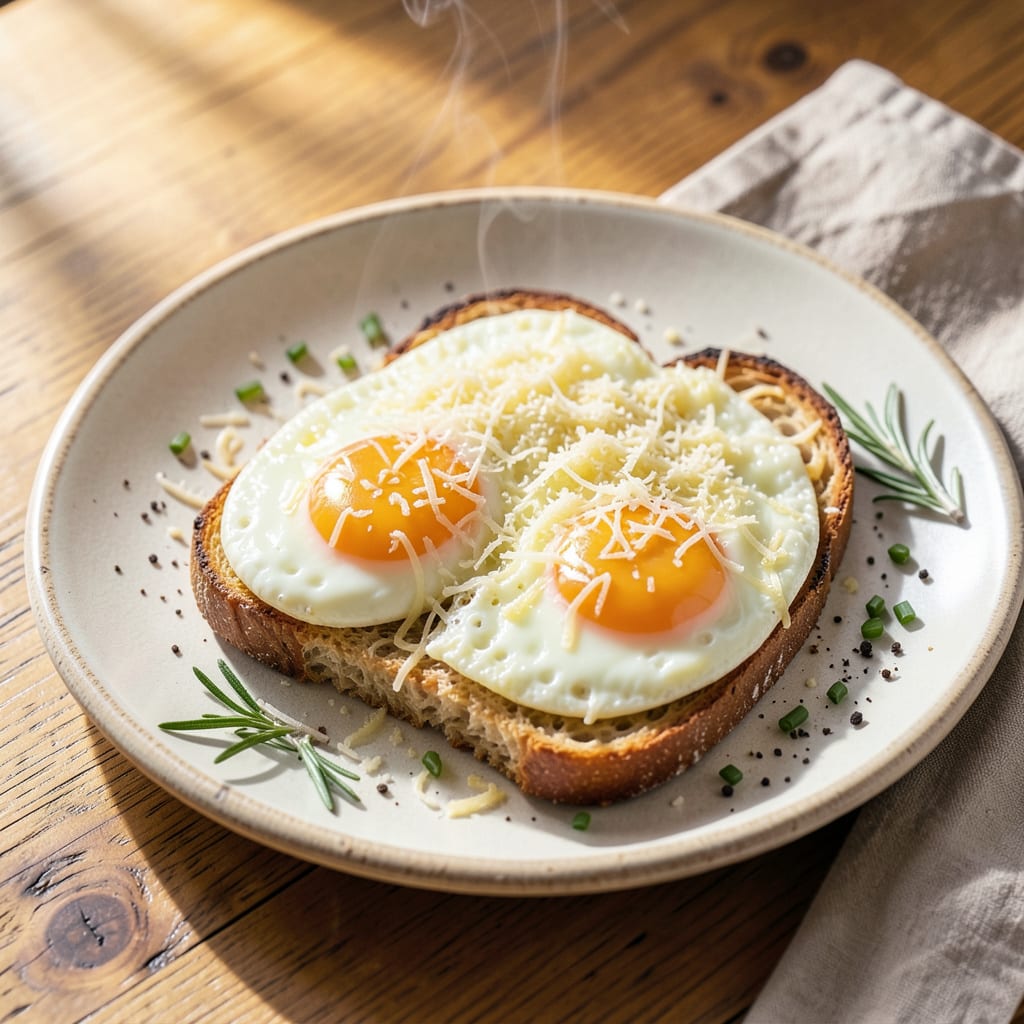
I’ll never forget the first time I sprinkled freshly grated parmesan over my morning eggs and watched it transform into golden, crispy perfection. That simple moment changed my breakfast routine forever. The nutty, salty parmesan creates a delicate crust that adds texture and depth to every bite, turning ordinary eggs into something extraordinary.
What makes this technique special is its versatility. Whether you’re scrambling, frying, or poaching eggs, that final sprinkle of parmesan delivers restaurant-quality results with minimal effort. I’ve tested this with different cheese graters and found that freshly grated parmesan melts and crisps better than pre-shredded varieties, creating those irresistible crispy edges we’re after.
The secret is timing – add the cheese when your eggs are nearly done cooking. For scrambled eggs, fold it in during the last 30 seconds. For fried eggs, sprinkle it over the whites when they’re just set. The residual heat melts the parmesan perfectly while creating that signature crispy texture that makes this dish so addictive.
This isn’t just breakfast – it’s a game-changer for busy mornings, lazy weekends, or even quick dinners. Pair it with toasted sourdough or roasted tomatoes for a complete meal. Once you try this crispy, cheesy upgrade, you’ll never go back to plain eggs again.
📚 In This Guide
- What You’ll Need
- Instructions
- Tips and Common Mistakes
What Youll Need
- ● Eggs: 2–4 large, fresh eggs (preferably organic or free-range for richer flavor 🥚).
- ● Parmesan cheese: ¼–½ cup freshly grated (avoid pre-shredded—it won’t crisp as well! 🧀). Use Parmigiano-Reggiano for authentic taste.
- ● Butter or oil: 1 tbsp unsalted butter (for richness) or 1 tsp olive/avocado oil (for high-heat cooking).
- ● Salt & pepper: To taste (sea salt or kosher salt preferred for texture).
- ● Non-stick skillet (8–10″ for even cooking).
- ● Microplane or box grater (for ultra-fine parmesan shreds 🧀).
- ● Spatula (silicone or metal, heat-safe).
- ● Small bowl (for cracking eggs).
- ● Fresh herbs (chives, parsley, or basil for garnish 🌿).
- ● Red pepper flakes (pinch for heat).
- ● Garlic powder (¼ tsp for extra depth).
- ● Balsamic glaze (drizzle for a sweet-tangy contrast).
Instructions for Adding Parmesan to Your Eggs
Here’s how to transform ordinary eggs into something extraordinary with just a few simple techniques.
Grate the Parmesan Freshly
Start by grating your Parmesan cheese fresh from a block using the small holes of a box grater. I always recommend freshly grated because pre-shredded cheese contains anti-caking agents that prevent it from melting properly. You’ll need enough to create a thin, even layer over your eggs—about 2 tablespoons per serving works perfectly.
The texture should be fine and powdery, almost like coarse sand. This consistency ensures it melts quickly and creates that beautiful golden crust we’re after. Take a moment to appreciate the nutty aroma—freshly grated Parmesan has a brightness that makes all the difference in this dish.
Cook Your Eggs to the Right Stage
Prepare your eggs using your preferred method—scrambled, fried, or poached all work beautifully. For scrambled eggs, cook them until they’re just set but still slightly glossy on top. This is the perfect stage to add the cheese because the residual heat will melt it without overcooking the eggs.
If you’re making fried or poached eggs, cook them until the whites are fully set but the yolks are still runny. The timing here matters because you want the cheese to melt from the egg’s heat while keeping the yolks intact. I find that sunny-side-up eggs work particularly well for this technique.
Add the Parmesan at the Perfect Moment
Here’s where the magic happens: sprinkle the freshly grated Parmesan evenly over your eggs while they’re still in the pan. For scrambled eggs, add it when they’re about 90% cooked and still slightly wet on top. The cheese will melt into the eggs, creating little pockets of creamy richness.
For fried or poached eggs, sprinkle the Parmesan over the whites and around the edges of the yolk. The heat from the eggs will cause the cheese to melt and bubble, forming a delicate, crispy crust. Watch closely—this happens quickly, usually within 30-60 seconds.
Finish with Heat for Crispy Perfection
For that signature crispy texture, transfer your eggs to a plate and place them under a preheated broiler for 1-2 minutes. Keep a close eye on them—the cheese should turn golden brown and develop a slight crunch when touched with a fork.
If you don’t have a broiler, you can achieve similar results by covering the pan for the last 30 seconds of cooking. The trapped steam will help melt the cheese while the direct heat creates that coveted crispy layer. Either method works, but the broiler gives you more control over the browning process.
Serve Immediately for Best Texture
Parmesan-topped eggs are best enjoyed right away while the cheese is still crispy and warm. I like to serve them on a pre-warmed plate to maintain that perfect texture. The contrast between the creamy eggs and the crispy, salty Parmesan crust is what makes this dish so special.
For an extra touch, sprinkle a pinch of flaky sea salt over the top just before serving. This enhances the Parmesan’s natural saltiness and adds a pleasant crunch. Pair with buttered toast to complete the meal—you’ll find yourself making this upgrade every time you cook eggs.
Tips and Common Mistakes
The difference between good eggs and extraordinary ones comes down to perfect timing and technique. Here’s what I’ve learned from making this dish countless times.
The Cheese Factor: In Step 1, grating the Parmesan fresh is non-negotiable. Pre-shredded cheese contains anti-caking agents that prevent proper melting. I use the small holes of a box grater to achieve that fine, powdery texture—about 2 tablespoons per serving creates the ideal thin layer that melts quickly and forms that beautiful golden crust we’re after.
Timing Secret: When adding the Parmesan in Step 3, watch the clock carefully. The cheese melts and forms that crispy layer within 30-60 seconds. For fried or poached eggs, sprinkle it over the whites while they’re still in the pan. The residual heat does most of the work, but you need to act quickly before the eggs cool.
Heat Control: For that final crispy touch in Step 4, the broiler is your best friend. Place the eggs under the preheated broiler for 1-2 minutes—just until the cheese turns golden brown. I check every 30 seconds to prevent burning. If you don’t have a broiler, covering the pan for the last 30 seconds works, but the broiler gives you more control over the browning process.
Serving Wisdom: Step 5 mentions serving immediately, and I can’t stress this enough. The contrast between the creamy eggs and crispy Parmesan is at its peak right out of the pan. I like to warm the plates first—it keeps the eggs hot longer while maintaining that perfect texture contrast.
Pro Tips for Parmesan On Eggs
- The difference between good eggs and extraordinary ones comes down to perfect timing and technique. Here’s what I’ve …
- The Cheese Factor: In Step 1, grating the Parmesan fresh is non-negotiable. Pre-shredded cheese contains anti-caking …
- Timing Secret: When adding the Parmesan in Step 3, watch the clock carefully. The cheese melts and forms that crispy …
Frequently Asked Questions
Can I add Parmesan directly to raw eggs before cooking?
Yes! For scrambled eggs, whisk grated Parmesan (about 1 tbsp per 2 eggs) into the raw mixture before cooking. The cheese melts evenly for a creamy texture. For fried or poached eggs, sprinkle Parmesan after cooking to avoid burning. Pro tip: Freshly grated melts better than pre-shredded!
What’s the best time to add Parmesan for crispy results?
For a golden crust, add Parmesan during the last 1-2 minutes of cooking. On scrambled eggs, sprinkle it when eggs are almost set, then fold gently. For fried eggs, add it to the whites when they’re firm but yolks are still runny. Use low heat to prevent browning too fast!
What’s a good Parmesan substitute for eggs?
Try these swaps for similar flavor:
- Pecorino Romano: Sharper, saltier (use 25% less).
- Granular Cheddar: Melts well but milder.
- Nutritional yeast: Vegan option (adds umami, not salt).
- Asiago: Creamy when melted, less grainy.
Why does my Parmesan turn rubbery on eggs?
Overheating is the culprit! High heat makes cheese proteins seize up. Fix it by:
- Using low/medium heat and pulling eggs off just before they’re fully set.
- Grating cheese fresh (pre-shredded has anti-caking agents that resist melting).
- Mixing a pinch of cornstarch into the cheese to stabilize it.
Is Parmesan on eggs healthy, or too much fat?
In moderation, it’s a protein-packed combo! Parmesan adds calcium, phosphorus, and umami without excessive calories (~20 kcal/tbsp). Balance it by:
- Using 1 tbsp or less per serving.
- Pairing with veggies (spinach, tomatoes) for fiber.
- Opting for low-fat Parmesan if watching saturated fat.
Bonus: The fat in cheese helps absorb egg yolks’ vitamins!
Adding Parmesan to eggs is a game-changer—simple, flavorful, and endlessly customizable! Whether you prefer a crispy crust or a melty, savory bite, this cheesy upgrade turns ordinary eggs into a gourmet breakfast in minutes. 🧀✨
Ready to experiment? Try swapping in different cheeses or herbs next time, or pair your dish with fresh toast and greens. Your perfect Parmesan eggs are just a whisk away—happy cooking!

Trained in classic French technique but raised on slow-cooked ribs and spicy rubs, she blends culinary skill with smoke and soul.
- Recipe for Boneless Pork Chops in Cast Iron Skillet: Sear and Baste to Juicy Perfection - October 3, 2026
- Recipe for Boneless Cross Rib Roast: Slow-Roasted Beef with Herb Crust - October 3, 2026
- Hamburgers in Sauce Recipe Crock Pot: Slow-Cooked Savory Delight - October 3, 2026