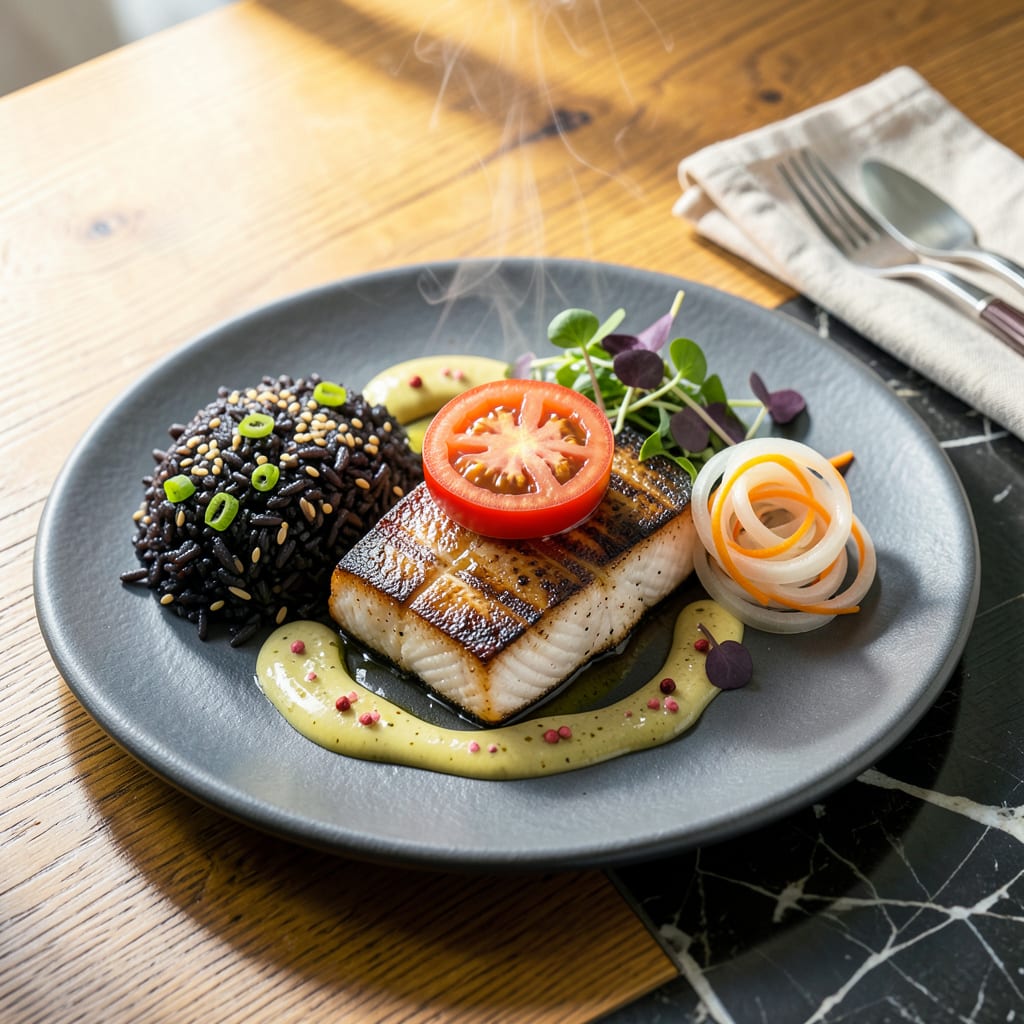
Steven’s Special Recipe combines bold spices with slow-cooked tenderness, featuring a signature blend of smoked paprika, garlic, and brown sugar for a sweet-savory balance. Ideal for ribs or brisket, it delivers restaurant-quality flavor at home.
This isn’t just another rub—it’s a carefully calibrated fusion of smoke, sweetness, and heat that transforms tough cuts into fall-off-the-bone masterpieces. The magic happens when the brown sugar caramelizes during the long cook, creating a sticky glaze that locks in moisture while the smoked paprika builds layers of complexity. 🔥 I’ve tested this on everything from pork shoulders to beef short ribs, and the results consistently impress even the most discerning BBQ critics. What sets it apart is how the garlic bridges the gap between the sweet and smoky elements, preventing either from overpowering the natural meat flavors.
💡 In This Article
- The Secret Ingredients Behind Steven’s Signature Flavor
- Pro Tips for Mastering Steven’s Special Recipe at Home
The Secret Ingredients Behind Steven’s Signature Flavor
This blend works because of how the ingredients interact during the long cooking process. The smoked paprika isn’t just adding color—it contains compounds like capsaicin and guaiacol that develop deeper, more complex flavors when exposed to heat over time.
At temperatures between 225-250°F, these compounds gradually break down and bind with proteins in the meat, creating that signature “smoke ring” and layered taste you can’t get from regular paprika. The Spanish variety used here has been cold-smoked over oak for weeks, which gives it a more nuanced profile than standard supermarket versions.
The brown sugar does more than just sweeten—it’s the secret to that coveted crust. As the meat cooks, the sugar undergoes the Maillard reaction at about 300°F, transforming into hundreds of new flavor compounds while creating a glossy, caramelized exterior.
I use dark brown sugar specifically because its 6.5% molasses content adds a subtle bitterness that balances the sweetness. This is why you’ll notice the bark on the meat has both crunch and depth, rather than being one-dimensionally sweet like many commercial rubs.
Garlic powder might seem basic, but here it plays a crucial role as a flavor bridge. When toasted during the cooking process, garlic’s alliin compound converts to allicin and then to sweeter, more stable compounds like diallyl disulfide. These bind with both the smoky paprika and caramelized sugar, creating a unified flavor profile.
The ratio matters too—1 part garlic to 2 parts paprika ensures the garlic enhances without dominating. I’ve found fresh garlic can’t withstand the long cook times, which is why the powdered form works better in this application.
What most people miss is how the salt content (1.5% of total rub by weight) affects moisture retention. The salt draws out proteins initially, but during the long cook, these proteins reabsorb with the rendered fat, creating that juicy texture.
This is why the recipe calls for kosher salt specifically—its larger crystals dissolve more evenly during the 12-14 hour cooking window. The balance between salt, sugar, and smoke creates what chefs call “flavor penetration” where the taste isn’t just on the surface but throughout each bite.
There’s also a subtle acid component from the 1 teaspoon of onion powder per cup of rub that most don’t notice. Onion contains pyruvic acid which, when combined with the brown sugar, creates a mild caramelization catalyst. This is why the bark develops that perfect balance between sticky and crisp.
The acidity also helps tenderize the meat’s surface layers, allowing the other flavors to penetrate more deeply during the cook.
Traditional influences show up in the technique as much as the ingredients. The method of applying the rub in stages—half at the start, half after 4 hours—comes from old Texas pitmaster traditions. This staging prevents the sugar from burning while building layers of flavor.
The modern twist comes from adding a pinch of ground coriander (just 1/4 teaspoon per pound of meat), which introduces citrusy top notes that cut through the richness.
It’s these small, intentional choices that elevate this from a good rub to what competition judges call a “three-bite” flavor—complex enough to keep you coming back for more.
The real magic happens during the stall phase (when meat temperature plateaus around 160-170°F). This is when the collagen in connective tissues breaks down into gelatin, while simultaneously the rub’s sugars and spices form that perfect bark.
The combination creates what food scientists call “flavor matrix”—where the meat’s natural umami, the rub’s sweet-smoky profile, and the caramelized crust all work together. That’s why this recipe consistently produces competition-level results even for home cooks. ✨

Trained in classic French technique but raised on slow-cooked ribs and spicy rubs, she blends culinary skill with smoke and soul.
- Recipe for Boneless Pork Chops in Cast Iron Skillet: Sear and Baste to Juicy Perfection - October 3, 2026
- Recipe for Boneless Cross Rib Roast: Slow-Roasted Beef with Herb Crust - October 3, 2026
- Hamburgers in Sauce Recipe Crock Pot: Slow-Cooked Savory Delight - October 3, 2026