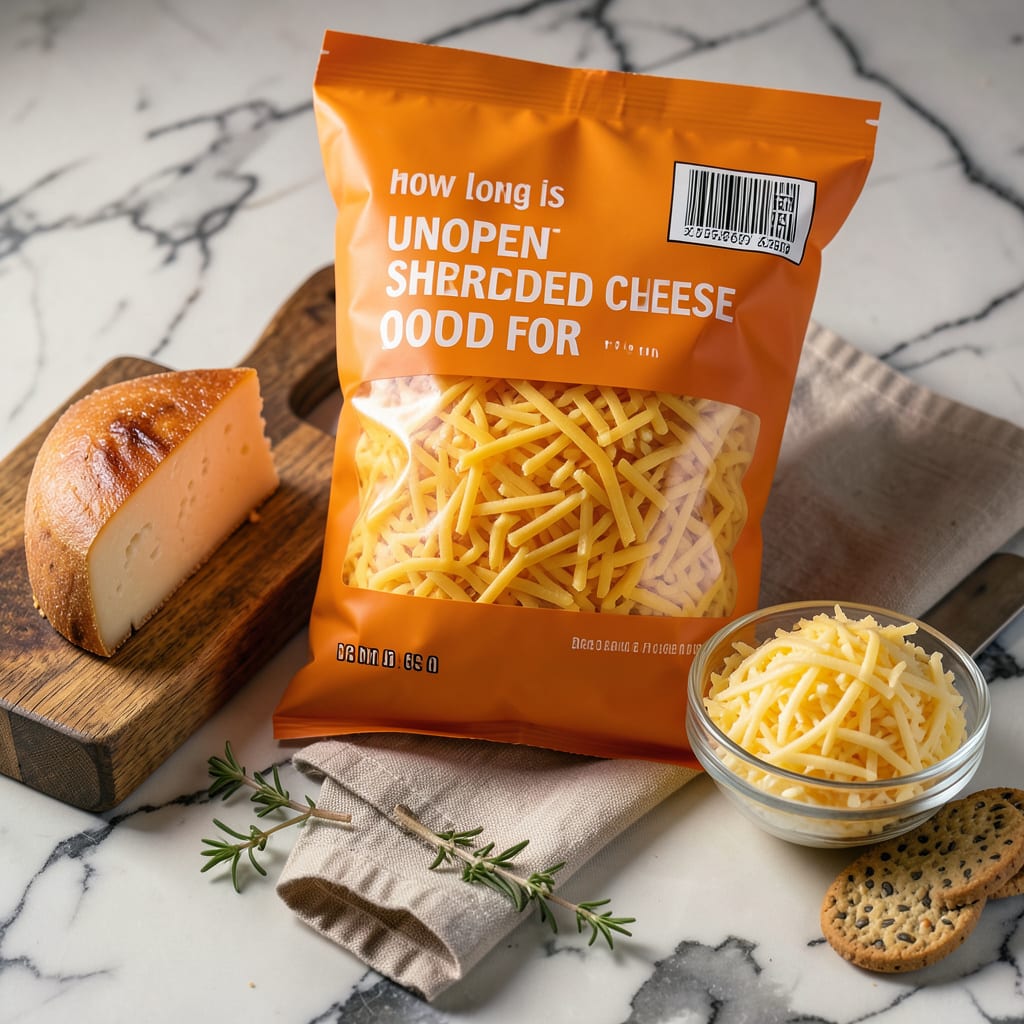
Unopened shredded cheese typically lasts 1-2 weeks past its printed date if refrigerated at 40°F or below. For longer storage, freeze it for up to 2-3 months while maintaining quality and texture.
What most people don’t realize is that shredded cheese spoils faster than blocks because of its increased surface area exposure. 🔥 The pre-shredding process breaks down the protective outer layer, making it more vulnerable to moisture loss and bacterial growth. I always recommend keeping it in the coldest part of your fridge—never the door—since temperature consistency is key to preserving that fresh-from-the-dairy flavor.
For those who love to stock up, freezing becomes your best friend, but there’s a trick: use it within 3 months for optimal meltability. Beyond that, you might notice slight texture changes when cooked, though it remains perfectly safe. The real game-changer? Vacuum-sealing before freezing to lock in that just-shredded freshness. ✨
💡 In This Article
- Factors Affecting Shredded Cheese Shelf Life
- Proper Storage Techniques for Unopened Shredded Cheese
Factors Affecting Shredded Cheese Shelf Life
The moment cheese gets shredded, its shelf life clock starts ticking faster. Here’s what’s actually happening: shredding increases the surface area by about 10-15 times compared to a block, exposing more of the cheese to oxygen.
This accelerated oxidation process breaks down fats and proteins, leading to that telltale rancid smell you might notice after 3-4 weeks in less-than-ideal conditions. 🔥
Packaging plays a surprisingly big role in how long your cheese stays fresh. Most commercial shredded cheese comes with anti-caking agents like powdered cellulose (about 2-3% by weight) and preservatives such as natamycin. These help, but they’re no match for temperature fluctuations.
Every time your fridge door opens, the temperature can swing 5-10°F, causing condensation inside the bag that promotes mold growth. The coldest back corner of your fridge maintains the most consistent 38-40°F range.
Moisture content becomes the silent killer for shredded cheese. While blocks maintain about 35-40% moisture internally, shredded versions lose moisture faster through evaporation. This is why you’ll often see those little white spots (calcium lactate crystals) forming after 2-3 weeks—they’re not mold, but they do signal quality decline.
The pre-shredding process also disrupts the cheese’s natural protective rind, making it more susceptible to absorbing fridge odors.
What most people overlook is how the type of cheese affects storage life. Hard cheeses like Parmesan (shredded) can last 3-4 weeks past their date due to lower moisture content (30%), while softer cheeses like shredded mozzarella (50% moisture) start degrading noticeably after 10-14 days.
The fat content matters too—cheddar at 33% fat preserves better than part-skim mozzarella at 20% fat because fat acts as a natural preservative. ✨
Here’s a pro tip from my years in professional kitchens: the “sell by” date is just the manufacturer’s estimate for peak quality, not safety. Unopened shredded cheese remains safe for 3-4 weeks past that date if stored properly, though you might notice slight texture changes.
The real danger zone starts when you see actual mold growth or detect ammonia-like odors—those are clear signs the proteins have broken down too far.
For those who love to meal prep, consider this: pre-shredded cheese contains about 1-2% more salt than blocks to help preservation. This slight increase in sodium content (about 200-300mg per serving) actually helps inhibit bacterial growth. However, it also means your dishes might taste saltier if you’re substituting shredded for freshly grated in recipes. 💫
The freezer becomes your best ally for long-term storage, but with caveats. At 0°F, all microbial activity stops, but the cheese’s cell structure changes. After 3 months, you’ll notice the shreds become more crumbly when thawed due to ice crystal formation breaking down the protein matrix.
Vacuum-sealing before freezing reduces this by about 40%, preserving that perfect melt for your next pizza night.

Trained in classic French technique but raised on slow-cooked ribs and spicy rubs, she blends culinary skill with smoke and soul.
- Recipe for Boneless Pork Chops in Cast Iron Skillet: Sear and Baste to Juicy Perfection - October 3, 2026
- Recipe for Boneless Cross Rib Roast: Slow-Roasted Beef with Herb Crust - October 3, 2026
- Hamburgers in Sauce Recipe Crock Pot: Slow-Cooked Savory Delight - October 3, 2026