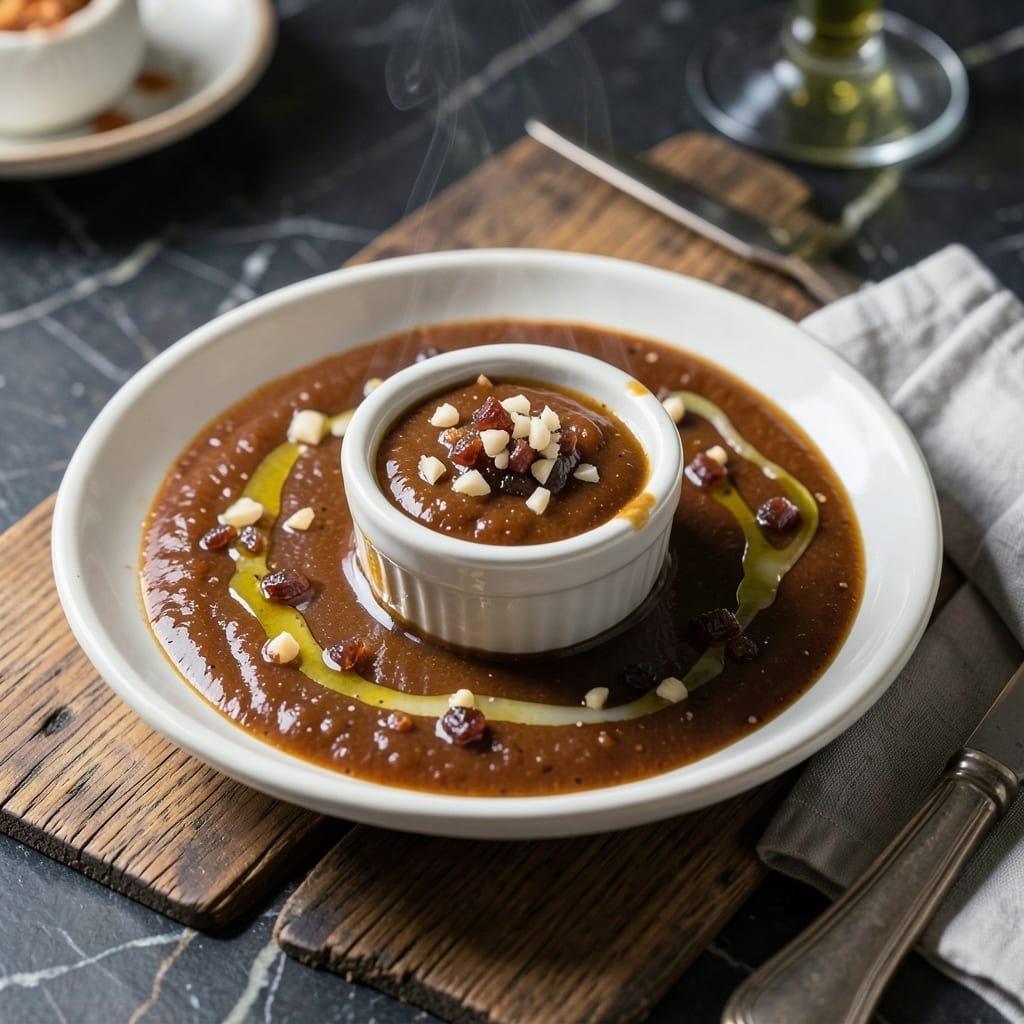
This hoisin-based stir fry sauce balances sweet and salty flavors for authentic Asian-inspired dishes. The combination creates depth without overpowering your main ingredients.
Ready in minutes, this versatile sauce elevates chicken, beef, or vegetables. Store in an airtight container for up to 2 weeks in the refrigerator.
Ingredients for Stir Fry Sauce Recipe Hoisin
Nine ingredients balance sweet and salty for authentic Asian-inspired depth in minutes.
| Ingredient | Amount | Notes |
|---|---|---|
| Hoisin Sauce 🥫 | ½ cup | High-quality for best flavor |
| Soy Sauce 🥫 | ¼ cup | Low-sodium preferred |
| Rice Vinegar 🍚 | 2 tbsp | Unseasoned variety |
| Brown Sugar 🍚 | 2 tbsp | Light or dark works |
| Minced Garlic 🧄 | 2 tsp | Freshly minced preferred |
| Minced Ginger 🌿 | 1 tsp | Freshly grated preferred |
| Sesame Oil 🫒 | 1 tsp | Toasted for depth |
| Cornstarch 🌾 | 1 tsp | For thickening sauce |
| Water 💧 | 2 tbsp | For thinning as needed |
[recipe_ingredient_scaler]
Hoisin sauce is the foundation, so choose a high-quality brand like Koon Chun or Lee Kum Kee. These are widely available at Asian markets or the international aisle of most supermarkets. The soy sauce should be low-sodium to control saltiness, and fresh garlic and ginger are non-negotiable for that bright, aromatic base. Avoid pre-minced jars—they lack the punch of fresh.
No hoisin? Mix equal parts soy sauce and molasses with a dash of five-spice powder as a substitute. Brown sugar can be swapped for coconut sugar or maple syrup (vegan-friendly). If avoiding gluten, tamari instead of soy sauce works perfectly. The sesame oil adds depth, but toasted peanut oil can stand in if that’s what you’ve got.
This sauce keeps beautifully in an airtight container for up to 2 weeks in the fridge. For longer storage, freeze in ice cube trays for up to 3 months. The cornstarch may settle—just give it a good stir before using.
Why You’ll Love This Recipe
- Five-Minute Mix: I just dump everything in a bowl—hoisin, soy, vinegar, sugar, garlic—and stir. No cooking, no fuss.
- Sweet-Savory Magic: That hoisin and brown sugar combo hits this perfect sweet-salty balance with a garlic kick.
- Weeknight Hero: I toss it with chicken, tofu, or veggies—anything in the fridge works. (Yes, even on a Tuesday night)
- Budget Stretch: Five cheap pantry staples, and it makes enough sauce for three meals. I’ll be real: it’s saved me more than once.
Step-by-Step Instructions for Hoisin Stir Fry Sauce
Master this technique for a perfectly balanced sauce with depth and complexity every time.
Step 1: Bloom the Aromatics in Sesame Oil
Heat a small saucepan over medium-low heat and add the 1 tsp Sesame Oil. Once it shimmers slightly, add the 2 tsp Minced Garlic and 1 tsp Minced Ginger, stirring constantly for 30-45 seconds until fragrant.
This step releases the essential oils from the aromatics, creating the flavor foundation. Watch carefully—garlic burns easily and will turn bitter if overcooked. The mixture should sizzle gently but not smoke.
Step 2: Combine the Liquid Base Ingredients
Add the 0.5 cup Hoisin Sauce, 0.25 cup Soy Sauce, 2 tbsp Rice Vinegar, and 2 tbsp Brown Sugar to the pan. Stir well to dissolve the sugar completely, which takes about 1-2 minutes over medium heat.
The hoisin sauce will darken slightly as it heats, and the mixture should begin to simmer at the edges. This is where the sweet, salty, and tangy elements begin to meld into the signature flavor profile.
Step 3: Create and Incorporate the Slurry
In a small bowl, whisk together the 1 tsp Cornstarch and 2 tbsp Water until smooth and free of lumps. This slurry will thicken the sauce to the ideal consistency for clinging to stir-fried ingredients.
Slowly pour the slurry into the simmering sauce while stirring constantly with a whisk. The mixture will immediately begin to thicken—continue stirring for 1-2 minutes until it reaches a glossy, syrup-like consistency that coats the back of a spoon.
Step 4: Finish and Test the Sauce
Remove the pan from heat and let the sauce cool for 1 minute. The sauce will thicken slightly more as it cools. Taste and adjust seasoning if needed, though the balance of hoisin, soy, and vinegar should be perfect as written.
For best results, use the sauce immediately while still warm, as it will have the ideal viscosity for tossing with hot stir-fried ingredients. If storing, let cool completely before transferring to an airtight container.
Pro Tips For Making Stir Fry Sauce Recipe Hoisin
- Bloom the Garlic: Cook the minced garlic in a little oil for 30 seconds until fragrant before adding liquids—I learned this the hard way after tasting raw garlic bits in my sauce.
- Balance the Sweetness: Taste before adding all the brown sugar; hoisin is already sweet, and you can always adjust but can’t take it out.
- Skip the Boil: Simmer gently instead of boiling to prevent the sugars from caramelizing too fast and making the sauce bitter.
- Thin with Care: If the sauce is too thick, use a splash of water or broth, not more vinegar—it’ll throw off the tangy-sweet balance you worked for.
Essential Equipment for This Recipe
Quality Saucepan
Invest in a heavy-bottomed saucepan like All-Clad stainless steel for even heat distribution. Thin pans create hot spots that can burn your aromatics. I use my 2-quart saucepan for this recipe—perfect size for the sauce to reduce without spreading too thin.
Wooden Spoon
A wooden spoon won’t scratch your pan and is ideal for stirring the garlic and ginger as they bloom. The flat surface helps press the aromatics into the oil for maximum flavor extraction. I keep one dedicated to my Asian cooking prep.
Whisk for Slurry
Use a small wire whisk to combine the 1 tsp cornstarch and 2 tbsp water. This ensures a lump-free slurry that thickens your sauce smoothly. A fork works in a pinch, but the whisk creates a more uniform mixture.
Glass Measuring Cups
Measure your hoisin and soy sauce in glass measuring cups for accuracy. The clear glass lets you see the exact level, and the spout helps pour without spills. I prefer Pyrex for its durability and ease of cleaning.
Fine Mesh Strainer
If you want ultra-smooth sauce, strain it through a fine mesh strainer after cooking. This removes any ginger fibers or garlic bits. Not strictly necessary for this recipe, but I find it elevates the texture for restaurant-quality results. 💫
Storage Containers
Use airtight glass containers for storing your sauce in the fridge for up to 2 weeks. I like Ball Mason jars—they’re easy to clean and let you see the sauce. For freezing, use silicone ice cube trays for perfect portion control.
Nutrition Facts
Frequently Asked Questions
Can I substitute hoisin with another sauce?
Yes, mix equal parts soy sauce and molasses with a pinch of five-spice powder. This mimics the sweet-salty depth of hoisin, though the flavor will be slightly different.
How long does the sauce keep in the fridge?
Store in an airtight container and it stays fresh for up to 2 weeks. For longer storage, freeze in ice cube trays for up to 3 months.
Why does my sauce taste too salty?
This usually happens with high-sodium soy sauce. Use low-sodium soy sauce next time. To fix, add 1 tsp brown sugar or 1 tbsp water to balance.
Can I make this sauce gluten-free?
Swap the soy sauce for tamari and ensure your hoisin is labeled gluten-free. Most tamari brands are naturally gluten-free.

Trained in classic French technique but raised on slow-cooked ribs and spicy rubs, she blends culinary skill with smoke and soul.
- Recipe for Boneless Pork Chops in Cast Iron Skillet: Sear and Baste to Juicy Perfection - October 3, 2026
- Recipe for Boneless Cross Rib Roast: Slow-Roasted Beef with Herb Crust - October 3, 2026
- Hamburgers in Sauce Recipe Crock Pot: Slow-Cooked Savory Delight - October 3, 2026