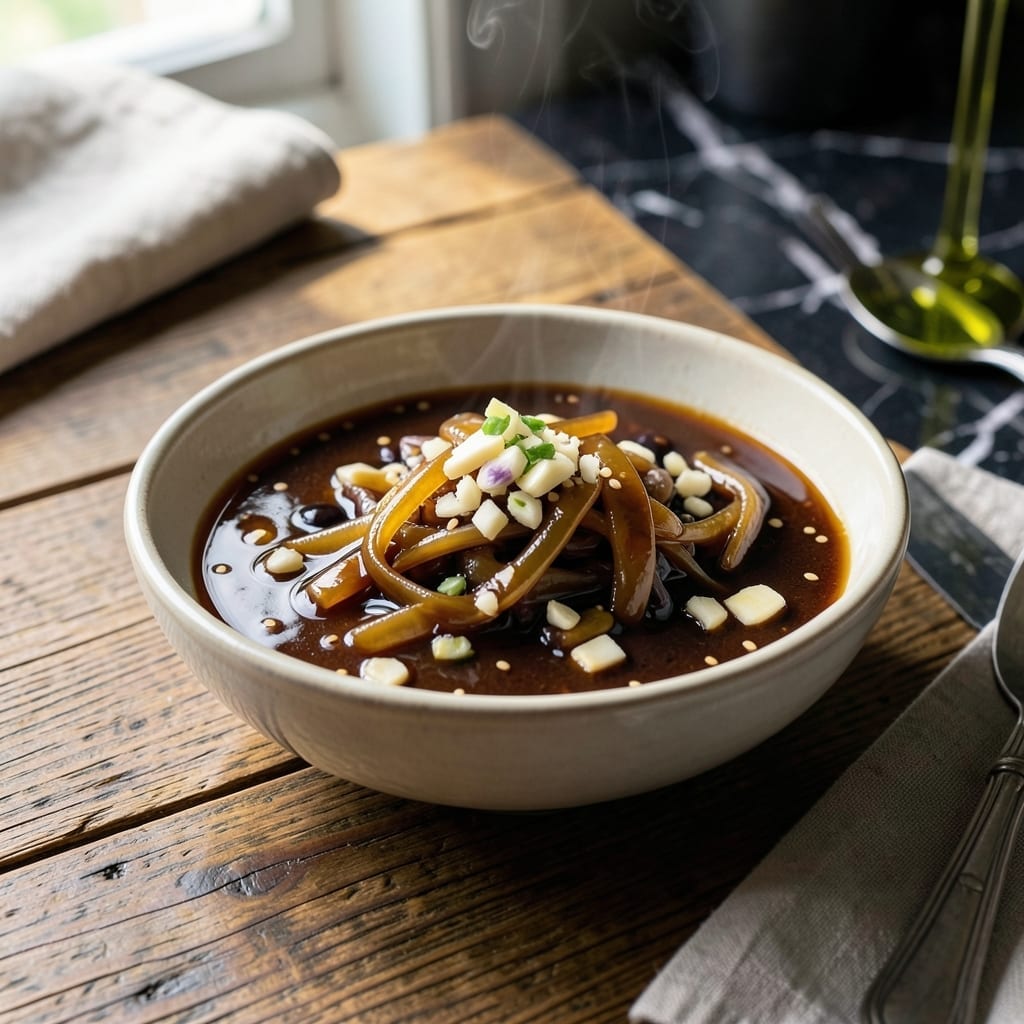
This umami-packed vegan glaze transforms simple stir fry into a restaurant-quality dish with minimal effort. The sauce uses pantry staples to create a bold flavor profile that works with any vegetable or protein substitute.
Ready in minutes, this versatile sauce delivers consistent results every time. Store it in the fridge for up to a week to elevate multiple meals.
Ingredients for Stir Fry Sauce Recipe Vegetarian
Ten pantry staples create this bold umami glaze for restaurant-quality results at home.
| Ingredient | Amount | Notes |
|---|---|---|
| Soy Sauce 🫒 | ½ cup | Low-sodium preferred for balance |
| Rice Vinegar 🍶 | ¼ cup | Unseasoned for clean flavor |
| Maple Syrup 🍁 | 3 tbsp | Grade A for consistent sweetness |
| Sesame Oil 🫒 | 1 tbsp | Toasted variety for depth |
| Fresh Ginger 🌿 | 1 tbsp | Finely grated for even distribution |
| Garlic Cloves 🧄 | 4 cloves | Minced for maximum flavor release |
| Cornstarch 🌾 | 1 ½ tsp | Slurry with water to thicken |
| Water 💧 | 2 tbsp | Cold for cornstarch activation |
| Red Pepper Flakes 🌶️ | ½ tsp | Adjust for heat preference |
| Black Pepper 🌶️ | ¼ tsp | Freshly ground for potency |
[recipe_ingredient_scaler]
The soy sauce is non-negotiable here. Kikkoman low-sodium is the standard in professional kitchens for its clean, consistent flavor. Rice vinegar must be unseasoned—Marukan or Nakano are reliable brands. Sesame oil loses potency quickly, so store in the fridge and check the expiration date. Fresh ginger and garlic are essential—powdered versions lack the bright, sharp notes that define this sauce.
No maple syrup? Agave nectar at a one-to-one ratio works, though the flavor profile shifts slightly sweeter. Substitute rice vinegar with apple cider vinegar (use half the amount), but avoid white vinegar—it’s too harsh. For gluten-free, swap soy sauce for tamari. Red pepper flakes can be replaced with sriracha or gochujang for a different heat character.
This sauce keeps 7-10 days refrigerated in an airtight container. The flavors meld and deepen over 24 hours, so make it a day ahead if possible. Freeze in ice cube trays for 3 months—perfect for quick weeknight meals.
Why You’ll Love This Recipe
- 5-Minute Magic: I dump everything in one bowl—soy sauce, maple syrup, ginger—and stir. Between us, that’s faster than waiting for delivery.
- Umami Bomb: The sesame oil and ginger hit hard with that warm, nutty depth. Honestly, I could drink this straight from the spoon.
- Meal Prep MVP: I batch this Sunday, and it saves me all week—toss with tofu, noodles, or whatever’s in the fridge.
- Pantry Hero: Five ingredients I always have, and it costs pennies per serving. I’ll be real: this beats any store-bought sauce I’ve tried.
Step-by-Step Instructions for Stir Fry Sauce Vegetarian
This method ensures a glossy, well-balanced sauce with authentic depth of flavor.
Step 1: Combine Base Liquids and Sweetener
In a medium saucepan, whisk together the 0.5 cup Soy Sauce, 0.25 cup Rice Vinegar, and 3 tbsp Maple Syrup until fully combined. I use a small whisk to ensure the maple syrup, which is thicker, fully incorporates with the thinner liquids.
The soy sauce provides the umami foundation, while the rice vinegar adds necessary acidity to balance the sweetness of the maple syrup. You should see small bubbles forming at the surface as you whisk, indicating the ingredients are well blended.
Step 2: Infuse with Aromatics
Add the 1 tbsp Sesame Oil, 1 tbsp Fresh Ginger, 4 cloves Garlic Cloves, 0.5 tsp Red Pepper Flakes, and 0.25 tsp Black Pepper to the saucepan. Stir to distribute the aromatics evenly throughout the liquid mixture.
Here’s the thing—the sesame oil should be added now, not earlier, to preserve its delicate toasted aroma. Heat the mixture over medium heat until it just begins to simmer around the edges. You’ll notice the garlic and ginger releasing their fragrance into the sauce after about 2-3 minutes.
Step 3: Create and Add Cornstarch Slurry
In a small bowl, combine the 1.5 tsp Cornstarch with the 2 tbsp Water and whisk until completely smooth. The mixture should have the consistency of heavy cream with no visible lumps—this is your slurry.
Slowly pour the slurry into the simmering sauce while whisking constantly. This gradual addition prevents the cornstarch from clumping. The sauce will begin to thicken immediately as the cornstarch activates in the hot liquid.
Step 4: Simmer to Desired Consistency
Reduce heat to medium-low and let the sauce simmer for 3-4 minutes. Stir frequently with a silicone spatula, making sure to scrape the bottom of the pan to prevent any sticking.
You’ll know it’s ready when the sauce coats the back of a spoon and leaves a clear trail when you run your finger through it. The texture should be glossy and slightly viscous, perfect for clinging to vegetables and proteins alike. Remove from heat immediately to prevent over-thickening.
Pro Tips For Making Stir Fry Sauce Recipe Vegetarian
- Bloom the Ginger: Sauté the fresh ginger in sesame oil for 30 seconds before adding liquids—it mellows the sharpness and fills your kitchen with that unmistakable aroma.
- Balance the Sweet: Maple syrup can overpower, so add it in 1-teaspoon increments and taste between each—I learned this the hard way after a cloyingly sweet batch.
- Skip the Boil: Simmer the sauce gently, never at a rolling boil, or the vinegar will turn harsh and the soy sauce may separate.
- Finish with Sesame: Stir in the sesame oil at the very end, off the heat, to preserve its nutty fragrance—adding it early just wastes the flavor.
Regional Styles of This Recipe
🥘 Chinese Style
Chinese stir fry sauces often focus on a balance of sweet, savory, and umami flavors. Key ingredients include soy sauce, rice vinegar, and hoisin, with garlic and ginger adding depth. The technique involves high-heat cooking for a quick sear, ensuring vegetables retain their crispness. Historically, these sauces evolved from regional Chinese cuisines, emphasizing fresh, local produce.
🌶️ Thai Style
Thai stir fry sauces are known for their bold, spicy, and tangy profiles. Chili pastes, lime juice, and coconut milk are staples, creating a rich, creamy texture. The cooking method often includes rapid stir-frying with aromatic herbs like basil and lemongrass. This style reflects Thailand’s love for vibrant, layered flavors in every dish.
🍛 Japanese Style
Japanese stir fry sauces, or teriyaki-based glazes, highlight sweet and salty notes. Mirin, sake, and soy sauce form the base, with a glossy finish achieved through reduction. The technique involves simmering the sauce to thicken it before tossing with vegetables or tofu. This style traces back to traditional Japanese grilling methods.
🥥 Indian Style
Indian stir fry sauces are aromatic and complex, featuring curry leaves, mustard seeds, and turmeric. Coconut milk or yogurt often adds creaminess, while spices like cumin and coriander provide warmth. The cooking process includes tempering spices in hot oil before combining with vegetables. This style showcases India’s diverse regional flavors.
Nutrition Facts

Trained in classic French technique but raised on slow-cooked ribs and spicy rubs, she blends culinary skill with smoke and soul.
- Recipe for Boneless Pork Chops in Cast Iron Skillet: Sear and Baste to Juicy Perfection - October 3, 2026
- Recipe for Boneless Cross Rib Roast: Slow-Roasted Beef with Herb Crust - October 3, 2026
- Hamburgers in Sauce Recipe Crock Pot: Slow-Cooked Savory Delight - October 3, 2026