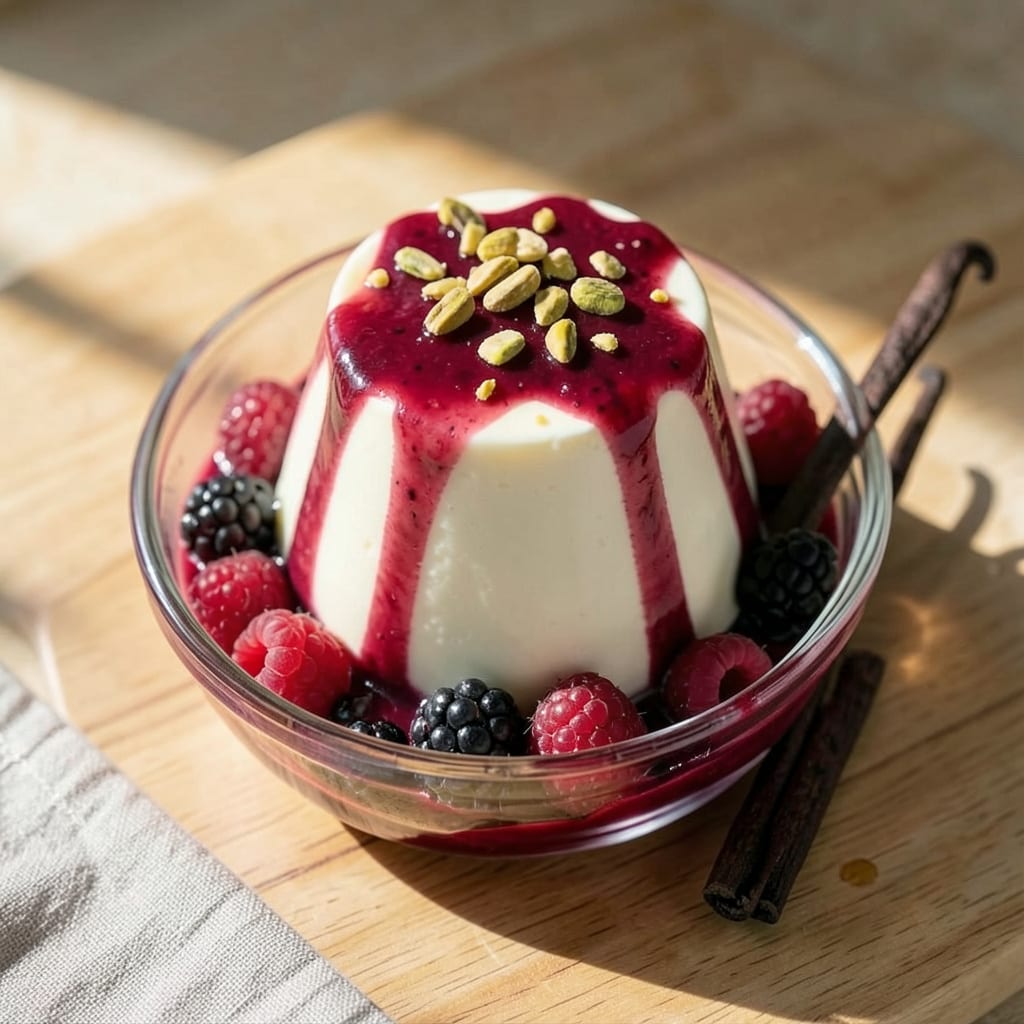
Swapping cream for milk transforms ordinary recipes into something extraordinary. As a chef who’s spent years perfecting texture and flavor balance, I’ve found this simple substitution can elevate everything from soups to baked goods. The key lies in understanding how fat content affects your final dish—cream’s higher fat percentage creates richer, more velvety results that milk simply can’t match.
This technique works beautifully across various dishes, though the approach differs. For sauces and soups, a direct 1:1 substitution often works perfectly, creating a luxuriously smooth texture. In baking, you’ll typically need to dilute heavy cream with water (about 60% cream to 40% water) to match milk’s consistency while still gaining that coveted richness. The difference in your mashed potatoes or custards will be immediately noticeable.
I first discovered this trick when developing a particularly stubborn béchamel that kept separating. A splash of cream stabilized the sauce instantly, teaching me that fat isn’t just about flavor—it’s about structure too. Now I keep this substitution in my back pocket for whenever a dish needs that extra something. The results speak for themselves: creamier textures, more stable emulsions, and flavors that linger.
Whether you’re looking to rescue a too-thin sauce or intentionally create something decadent, understanding this substitution opens up new possibilities in your cooking. The technique requires no special equipment—just a willingness to experiment with fat ratios and a watchful eye during cooking to prevent curdling in delicate preparations.
📚 In This Guide
- What You’ll Need
- Instructions
- Tips and Common Mistakes
What Youll Need
- ● Heavy cream or whipping cream – 1 cup (240ml) per 1 cup of milk substituted (full-fat for best results 🥛✨).
- ○ Whole milk (optional) – ¼–½ cup (60–120ml) to dilute cream if a lighter texture is needed.
- ○ Water (optional) – ¼ cup (60ml) for a lower-fat alternative when mixing with cream.
- ● Measuring cups & spoons – For precise substitutions (no eyeballing, friends! 📏).
- ● Mixing bowl & whisk – To blend cream with milk/water smoothly.
- ● Recipe ingredients – Have your original recipe ready to adjust ratios on the fly.
- ○ Kitchen scale (optional) – For bakers who prefer weight-based measurements (gram perfectionists, this is for you! ⚖️).
- ● Taste preferences – A willingness to experiment—creamy dishes may taste richer! 🧀😋
Instructions for Substituting Cream for Milk
Making the switch is simple, but these key adjustments ensure perfect results every time.
Understand the Fat Content Difference
Before substituting, recognize that heavy cream contains about 36-40% fat compared to whole milk’s 3.5-4%. This dramatic difference affects both texture and flavor. I always start by considering what role milk plays in the original recipe—whether it’s primarily for moisture, structure, or flavor enhancement.
For most baking applications where milk provides liquid without being the dominant flavor, you’ll want to dilute the cream to better match milk’s consistency. The fat content in cream can create denser baked goods if used straight, so we need to adjust the ratio carefully to maintain the intended texture.
Create a Cream-Milk Blend for Baking
For cakes, muffins, or quick breads, I create a substitute by mixing 3 parts heavy cream with 1 part water. This ratio brings the fat content closer to whole milk while maintaining cream’s rich flavor. Whisk them together until fully combined before adding to your batter.
The water helps lighten the mixture while still allowing the cream to contribute its velvety texture. When using this blend, you’ll notice your baked goods develop a slightly more tender crumb and richer flavor profile. The extra fat also helps extend shelf life by keeping your creations moist for longer.
Adjust for Cooking Applications
When substituting in cooked dishes like soups, sauces, or custards, I use cream straight but reduce the quantity slightly. Start with ¾ cup cream for every 1 cup milk called for in the recipe. The reduced volume accounts for cream’s thicker consistency while maintaining the dish’s intended richness.
For sauces, add the cream gradually while whisking constantly to prevent separation. The higher fat content means your sauce will have better body and a luxurious mouthfeel. In custards or puddings, the cream substitution creates an exceptionally smooth texture, but watch the cooking time carefully as the higher fat can affect setting times.
Compensate for Sweetness and Acidity
Cream lacks milk’s natural sugars and slight acidity, which can affect both flavor and chemical reactions in baking. When substituting in recipes that rely on milk’s properties (like buttermilk pancakes or certain cakes), I add 1 teaspoon sugar and ½ teaspoon lemon juice or vinegar per cup of cream used.
This adjustment mimics milk’s natural composition more closely. The sugar balances cream’s richness while the acid helps activate baking soda if present in your recipe. You’ll find this small tweak makes a significant difference in the final product’s flavor balance and rise, especially in delicate baked goods where chemical reactions are crucial.
Monitor Cooking Times and Temperatures
Recipes with cream substitutions often require slight adjustments to cooking parameters. I’ve found that baked goods may brown 10-15% faster due to cream’s higher fat content, so start checking for doneness about 5 minutes earlier than the original recipe suggests.
For stovetop preparations, reduce heat by about 10% when using cream to prevent scorching. The milk solids in cream brown more readily than those in milk. Watch for visual cues—cream-based mixtures will thicken more quickly and may require occasional stirring to prevent sticking. The finished dish should have a velvety texture without any graininess from overheated dairy.
Tips and Common Mistakes
Mastering this substitution is all about understanding how cream’s richness transforms your recipe—and avoiding the pitfalls that can throw off your results.
The Technique That Changed Everything: When creating your cream-water blend in Step 2, use ice-cold water rather than room temperature. This prevents the cream from separating or becoming grainy when mixed. I whisk vigorously for 30 seconds until the mixture is perfectly emulsified—you should see no visible separation before adding it to your batter. The cold temperature also helps maintain the structural integrity of your baked goods.
Critical Timing: The 5 minutes earlier doneness check mentioned in Step 5 isn’t just a suggestion—it’s your insurance against over-browning. Cream’s higher fat content accelerates the Maillard reaction, meaning your baked goods will develop color more rapidly. Set a timer for 5 minutes before the original recipe’s suggested bake time, then watch closely. The moment edges turn golden and the center springs back when gently pressed, it’s done.
What to Watch For: In Step 3’s stovetop applications, never let cream-based sauces reach a full boil. The ideal temperature for incorporating cream is just below simmering—look for tiny bubbles forming around the edges of your pan and steam rising gently. If you see aggressive bubbling, immediately reduce heat by that 10% mentioned in the instructions. This prevents the fat from separating and gives you that silky, cohesive texture we’re after.
Breakthrough Moment: For custards and puddings where texture is everything, strain your cream mixture after heating but before adding it to eggs. This removes any potential skin that formed during heating and eliminates graininess. I use a fine-mesh sieve and press gently with a spatula—this extra 30-second step makes the difference between good and extraordinary in delicate desserts.
Pro Tips for Substituting Cream For Milk
- Mastering this substitution is all about understanding how cream’s richness transforms your recipe—and avoiding the p…
- The Technique That Changed Everything: When creating your cream-water blend in Step 2, use ice-cold water rather than…
- Critical Timing: The 5 minutes earlier doneness check mentioned in Step 5 isn’t just a suggestion—it’s your insurance…
Frequently Asked Questions
Can I substitute cream for milk in a 1:1 ratio?
Yes, but adjust for richness! Heavy cream (36-40% fat) can replace milk 1:1, but dilute it with water (½ cream + ½ water) for lighter recipes like pancakes or soups. For half-and-half (10-18% fat), use it straight in equal amounts for slightly creamier results. Test in small batches first!
Will substituting cream change the cooking time?
Possibly! Cream’s higher fat content can slow moisture evaporation, so baked goods (like cakes or muffins) may need 5-10 extra minutes. Watch for golden-brown edges or a toothpick test. For stovetop recipes (sauces, custards), stir frequently to prevent scorching.
What’s the best cream alternative for coffee or tea?
For a smooth, non-curdled result, use half-and-half or light cream (20% fat). Avoid heavy cream—it’s too thick! For dairy-free options, try coconut cream (stir well) or oat milk barista blends for frothiness.
Why did my recipe curdle when I used cream?
High acid (like lemon juice or vinegar) or rapid heat can cause cream to split. Fix it: Temper cream by warming it gradually, or add a pinch of baking soda to neutralize acid. For sauces, whisk in a cornstarch slurry (1 tsp cornstarch + 1 tbsp water) to stabilize.
Are there lower-fat options that still add creaminess?
Try:
- Evaporated milk (undiluted for richness, or mixed 1:1 with water).
- Greek yogurt (thin with water/milk for pourable consistency).
- Silken tofu (blended for dairy-free creaminess in soups).
Swapping cream for milk is a simple trick to elevate texture and richness in your favorite dishes—whether you’re baking, cooking, or whipping up a cozy drink. 🥄 With the right ratios and a little experimentation, you can achieve restaurant-quality results without extra effort. Now that you’ve got the know-how, pick a recipe (maybe that decadent pasta or fluffy pancakes?) and give it a try! Let your taste buds guide you, and don’t forget to adjust as you go. Happy cooking! 😊

Trained in classic French technique but raised on slow-cooked ribs and spicy rubs, she blends culinary skill with smoke and soul.
- Recipe for Boneless Pork Chops in Cast Iron Skillet: Sear and Baste to Juicy Perfection - October 3, 2026
- Recipe for Boneless Cross Rib Roast: Slow-Roasted Beef with Herb Crust - October 3, 2026
- Hamburgers in Sauce Recipe Crock Pot: Slow-Cooked Savory Delight - October 3, 2026