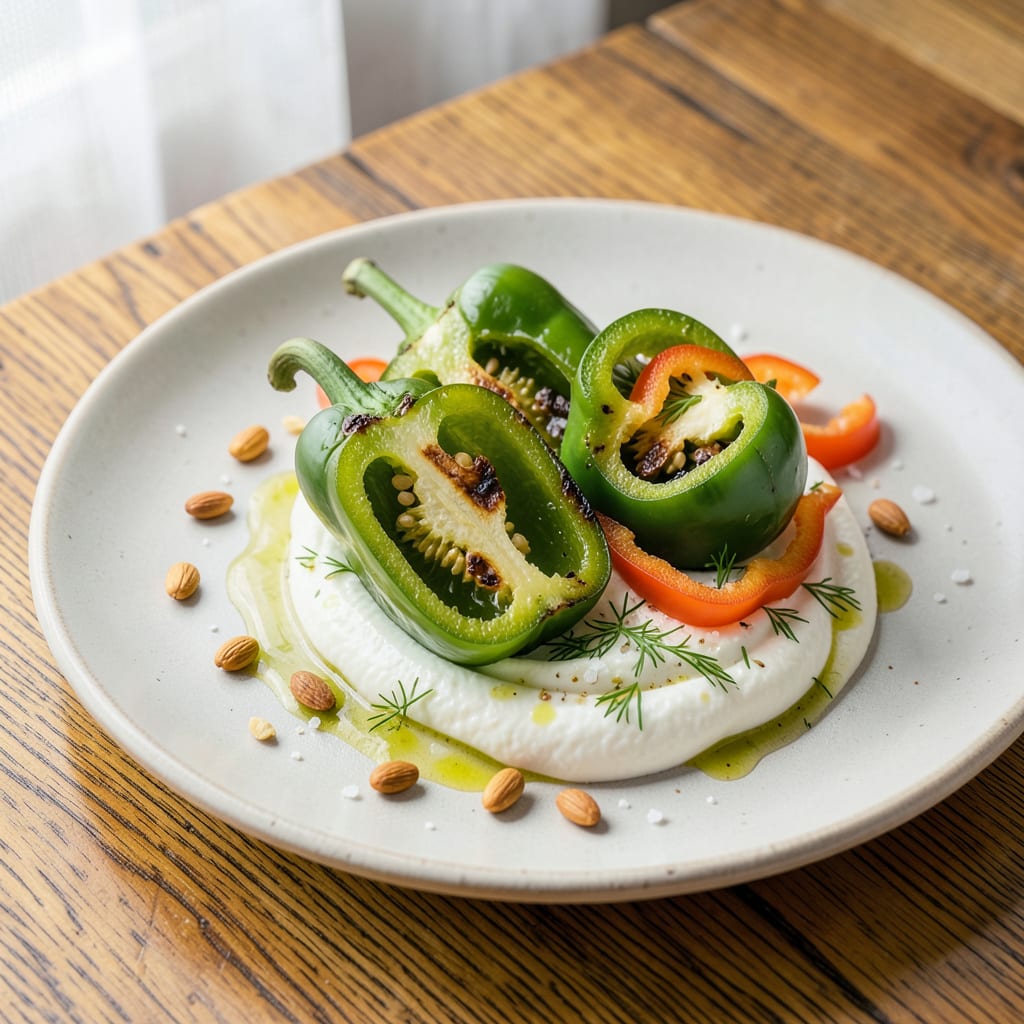
Sweet green peppers add crisp texture and mild, slightly grassy flavor to dishes. They work perfectly in stir-fries, stuffed recipes, or roasted sides when paired with complementary ingredients like onions, garlic, and tomatoes.
I love how these peppers bring a fresh, vibrant crunch that brightens up any plate. 🔥 Their subtle sweetness comes from natural sugars that develop beautifully when cooked—think caramelized edges in a quick sauté or tender layers in stuffed dishes. What’s great is their adaptability: they hold their shape under high heat but soften just enough to soak up flavors from herbs and spices. This makes them a go-to for everything from zesty fajita mixes to hearty Mediterranean sides.
💡 In This Article
- Why Sweet Green Peppers Enhance Side Dishes
- Top 5 Quick Sweet Green Pepper Recipes for Weeknights
Why Sweet Green Peppers Enhance Side Dishes
Sweet green peppers pack a unique flavor profile that stems from their natural sugar content—about 2.4g per 100g—which is higher than their red or yellow counterparts at the unripe stage. This subtle sweetness balances beautifully with their mild, slightly grassy notes, creating a versatile base for dishes.
Unlike hot peppers, they contain almost no capsaicin, making them approachable for all palates while still delivering that signature peppery aroma. 🔥
The texture is where these peppers truly shine. Their thick, crisp walls hold up remarkably well under heat, maintaining structure during quick sautés at 375°F or even longer braises.
This cellular structure, composed of rigid pectin fibers, softens just enough to absorb flavors without turning mushy—a quality I’ve tested extensively in everything from stir-fries to stuffed pepper recipes. The walls also create perfect pockets for trapping seasonings and sauces.
Nutritionally, they’re powerhouses with 95mg of vitamin C per cup—more than an orange—plus fiber and antioxidants like lutein. Their mild flavor makes them ideal carriers for bold seasonings, which is why they appear in cuisines worldwide.
In Mediterranean dishes, they pair with olives and feta; in Asian cooking, they balance soy and ginger; and in Latin American recipes, they complement cilantro and lime. ✨
What most home cooks overlook is how their flavor transforms with cooking methods. Raw, they offer bright crunch; roasted at 425°F, their sugars caramelize into deep, smoky notes; and when charred quickly over high heat, they develop complex umami undertones. This adaptability means one ingredient can play dramatically different roles in your meal rotation.
I’ve found they particularly excel when combined with alliums like onions and garlic. The sulfur compounds in alliums interact with the peppers’ natural sugars during cooking, creating a richer, more rounded flavor profile. This is why classic combinations like peppers and onions in fajitas or sofrito work so well—the chemistry enhances both ingredients simultaneously. 💫
For texture contrast, try pairing their crispness with creamy elements like goat cheese or avocado. The fat content in these ingredients (about 8g per ounce in goat cheese) coats the palate, allowing the peppers’ bright notes to stand out even more.
This contrast explains why stuffed peppers with cheese or creamy dips with raw pepper strips are such crowd-pleasers.
Pro tip: Their flavor absorbs best when cut into uniform 1/4-inch strips—this maximizes surface area while maintaining structure. Whether you’re quick-searing for tacos or slow-cooking in a ratatouille, this cut ensures even cooking and flavor distribution throughout your dish. 🌟

Trained in classic French technique but raised on slow-cooked ribs and spicy rubs, she blends culinary skill with smoke and soul.
- Recipe for Boneless Pork Chops in Cast Iron Skillet: Sear and Baste to Juicy Perfection - October 3, 2026
- Recipe for Boneless Cross Rib Roast: Slow-Roasted Beef with Herb Crust - October 3, 2026
- Hamburgers in Sauce Recipe Crock Pot: Slow-Cooked Savory Delight - October 3, 2026