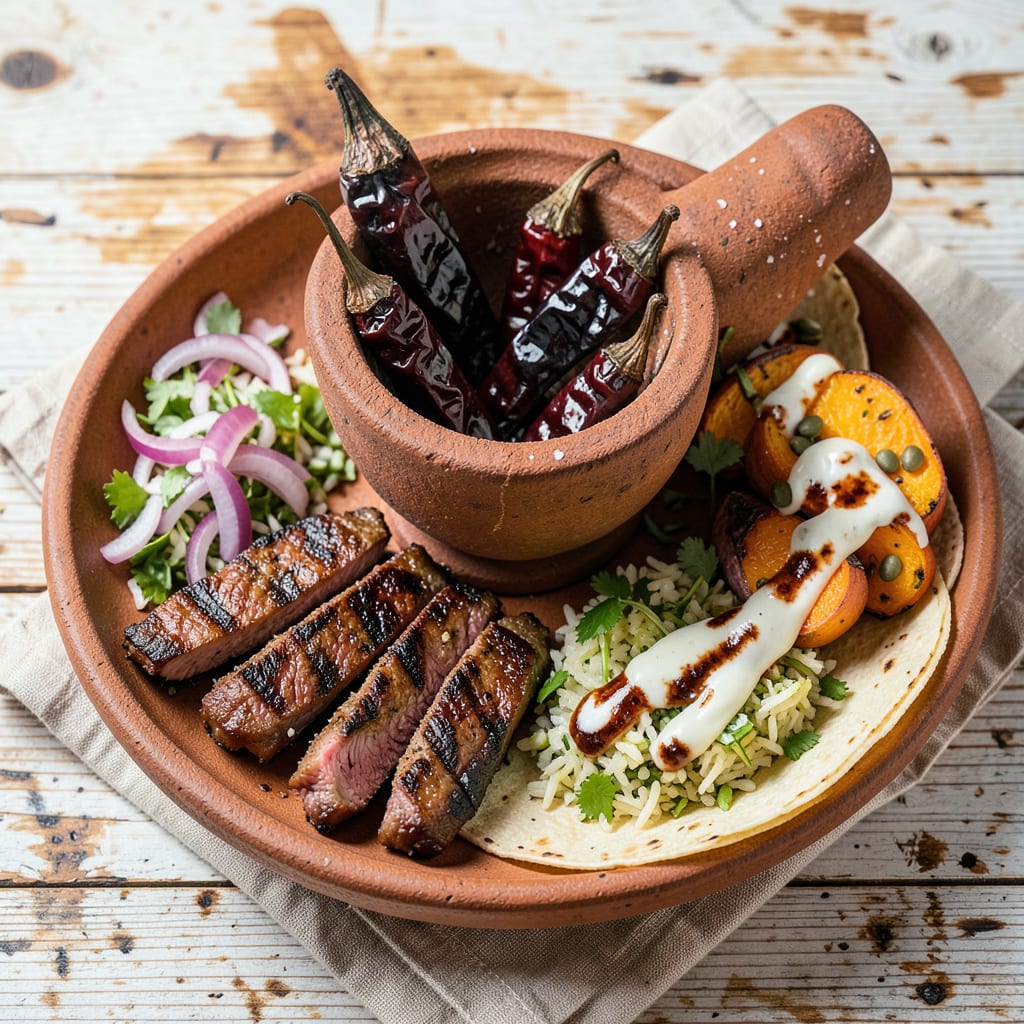
Chipotle delivers a smoky, earthy heat with medium spiciness and subtle sweetness from dried jalapeños. Its rich, complex flavor lingers with a slow-building warmth rather than sharp intensity.
As a pitmaster who’s worked with countless peppers, I notice chipotle’s magic comes from its transformation process. 🔥 When fresh jalapeños are smoke-dried, their sugars caramelize while the heat mellows into something deeper and more layered. This creates a flavor that’s bold enough to stand out in dishes but balanced enough to complement rather than overpower other ingredients. The slow burn you experience is actually the capsaicin releasing gradually, which is why it feels more like a warm embrace than a spicy punch.
💡 In This Article
- The Science Behind Chipotle’s Unique Smoky Heat
- Cooking with Chipotle: Best Pairings and Techniques
The Science Behind Chipotle’s Unique Smoky Heat
What makes chipotle so special starts with its transformation from fresh jalapeño to smoke-dried powerhouse. The process begins with fully ripe, red jalapeños that contain higher sugar content than their green counterparts—typically 6-8% sugar by weight.
When these peppers undergo slow smoking at 140-180°F for 3-5 days, two critical reactions occur: the Maillard reaction browns the natural sugars, while the prolonged smoke exposure infuses the flesh with compounds like guaiacol and syringol. 🔥
The smoking process also alters the capsaicin structure. Fresh jalapeños measure 2,500-8,000 SHU on the Scoville scale, but drying concentrates these compounds while the heat mellows their sharpness. Chipotle ends up around 10,000-15,000 SHU—hotter than its fresh form but with a slower release.
The pepper’s cell walls break down during drying, allowing capsaicin to bind with smoke compounds, creating that signature lingering warmth rather than immediate burn. ✨
Regional factors play a surprising role too. Jalapeños grown in volcanic soil—like those from Mexico’s Jalisco region—develop more complex flavor profiles due to higher mineral content. The wood used for smoking matters equally: pecan adds sweetness, mesquite contributes boldness, while oak provides balance.
I’ve found chipotles smoked over Mexican oak have a particularly nuanced character, with hints of vanilla and clove that develop during the 72-hour drying period. 🌟
Here’s what’s fascinating about the texture: properly smoke-dried chipotles should still retain about 10-15% moisture, giving them a leathery pliability rather than brittle dryness. This residual moisture allows the flavors to bloom when rehydrated or cooked.
The wrinkled skin you see isn’t just dehydration—it’s evidence of how the pepper’s structure changes as water evaporates and smoke compounds penetrate the flesh. This physical transformation directly impacts how the flavor releases in dishes. ⚡
The adobo canning process takes this further. When chipotles are packed in tomato-vinegar sauce and sterilized at 212°F, the acidity (typically pH 3.5-4.0) helps stabilize the capsaicin while the heat integrates the smoke flavors more deeply.
This is why canned chipotles in adobo often taste more rounded and less abrasive than their dry counterparts—the acid acts as a flavor bridge between the smoke and heat components. 💫
What most people don’t realize is that chipotle’s flavor continues evolving even after processing. The compounds interact with oxygen over time, which is why a chipotle that’s been stored for 6-12 months develops deeper, more integrated flavors than one used immediately.
I’ve noticed this aging effect particularly in my rubs, where the chipotle’s character becomes more complex with each passing month in the pantry. 💛

Trained in classic French technique but raised on slow-cooked ribs and spicy rubs, she blends culinary skill with smoke and soul.
- Recipe for Boneless Pork Chops in Cast Iron Skillet: Sear and Baste to Juicy Perfection - October 3, 2026
- Recipe for Boneless Cross Rib Roast: Slow-Roasted Beef with Herb Crust - October 3, 2026
- Hamburgers in Sauce Recipe Crock Pot: Slow-Cooked Savory Delight - October 3, 2026