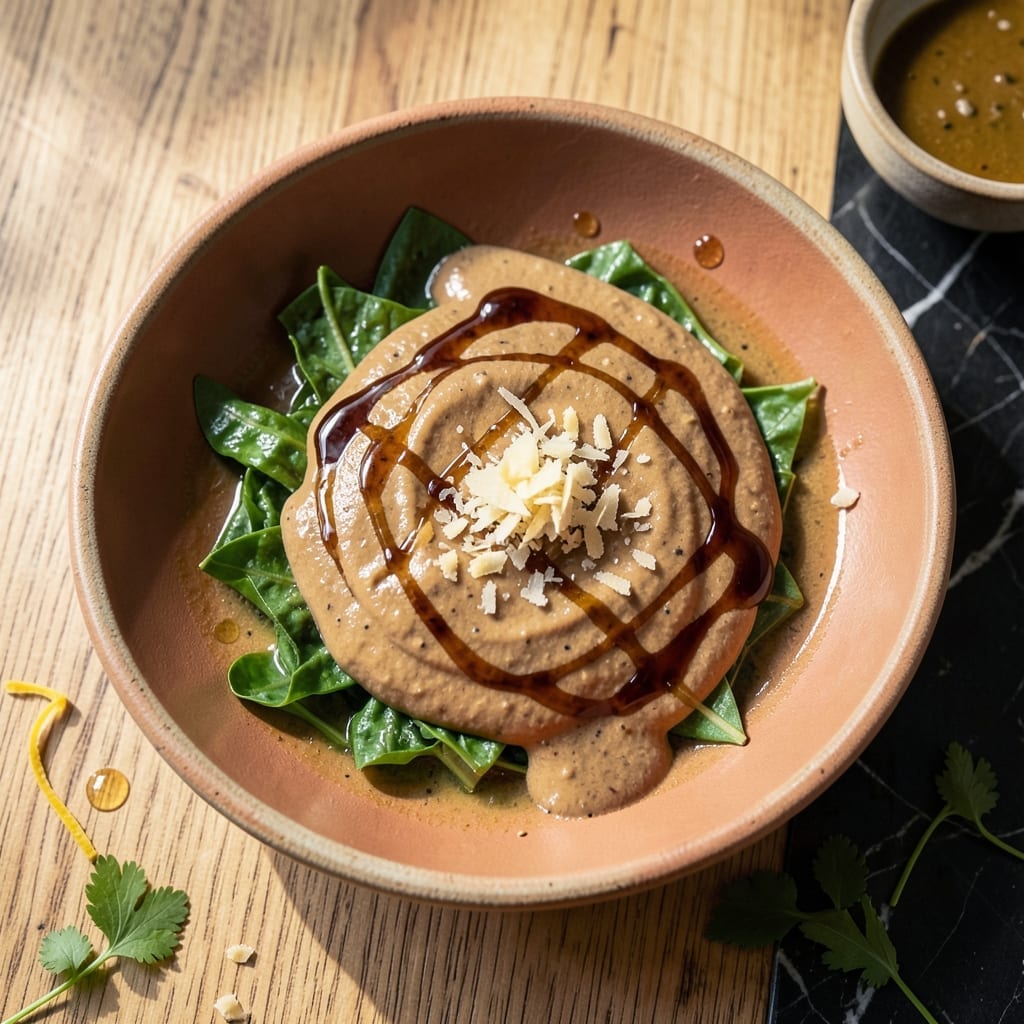
This dressing transforms simple greens into a restaurant-quality experience with its perfect balance of tangy and umami flavors. I developed this version after tasting the original at Sweetgreen and wanting to recreate that signature taste at home.
The secret lies in the combination of white miso paste, rice vinegar, and a touch of sweetness. These ingredients work together to create a smooth, rich dressing that clings beautifully to vegetables. The process takes less than 10 minutes and requires no cooking.
What you get is a versatile condiment that elevates salads, grain bowls, or even works as a marinade. The miso provides depth while the vinegar adds brightness, making every bite complex and satisfying. Store it in the fridge for up to a week.
Vegan-friendly and packed with flavor, this dressing proves that simple ingredients can create extraordinary results. The balance of flavors is exactly what you’re looking for in a salad enhancer.
Ingredients for Sweetgreen Miso Dressing
Nine ingredients blend into that signature Sweetgreen tangy-umami magic in minutes.
| Ingredient | Amount | Notes |
|---|---|---|
| White Miso Paste 🥣 | 2 tbsp | Fermented, smooth variety |
| Rice Vinegar 🍚 | 3 tbsp | Unseasoned for clean flavor |
| Extra-Virgin Olive Oil 🫒 | ⅓ cup | High quality for richness |
| Maple Syrup 🍁 | 1 tbsp | Or agave for sweetness |
| Soy Sauce 🥢 | 1 tbsp | Low-sodium preferred |
| Fresh Ginger 🌿 | 1 tsp | Peeled and grated |
| Garlic Clove 🧄 | 1 clove | Minced for depth |
| Toasted Sesame Oil 🥜 | ½ tsp | For nutty aroma |
| Sesame Seeds 🌰 | 1 tsp | Optional for texture |
[recipe_ingredient_scaler]
The miso is non-negotiable here. White miso paste (the mild, sweet kind) is what Sweetgreen uses—look for it in the refrigerated section at Whole Foods or Asian markets. I’ve seen Miso Master and South River Miso brands work perfectly. The rice vinegar needs to be unseasoned (no added sugar), and Marukan or Kikkoman are reliable. For the olive oil, use something you’d actually drizzle on a salad—cheap stuff tastes harsh here.
No white miso? Yellow miso at half the amount works, but it’s saltier so taste as you go. Swap maple syrup for agave or date syrup if you prefer. The sesame oil adds depth, but skip it if you’re allergic—just add a pinch of toasted sesame seeds instead. Low-sodium soy sauce keeps the salt in check, but regular is fine (cut back a touch). Fresh ginger and garlic are key—powdered just won’t give the same bright punch.
This keeps beautifully in the fridge for up to 1 week. The flavors meld and deepen over time. Give it a good shake before using since the ingredients separate. For longer storage, freeze in ice cube trays for up to 3 months.
Why You’ll Love This Recipe
- 5-Minute Whisk: Honestly, I just dump everything in a jar and shake—no blender, no fuss, and it’s ready before the salad’s even plated.
- Umami Bomb: That first hit of white miso and soy sauce? Ridiculously savory with just enough maple sweetness to balance it out.
- Drizzle on Everything: I’ve used it on grain bowls, roasted veggies, even as a marinade—my secret weapon for making simple meals taste intentional.
- Keeps for Days: One batch lasts me a week in the fridge, and the flavor only gets deeper. Between us, I make extra just to have it on hand.
Step-by-Step Instructions for Sweetgreen Miso Dressing
Here’s the method I use to nail this tangy umami dressing every single time.
Step 1: Whisk Together the Miso Base
In a medium bowl, combine the 2 tbsp White Miso Paste with the 3 tbsp Rice Vinegar. I like to use a fork for this initial mix—it helps break up the thick miso paste into the vinegar more effectively than a whisk.
You’ll notice the miso starts to dissolve and lighten in color as it incorporates. Keep mixing until you have a mostly smooth paste with no large chunks remaining. This base layer provides the fermented depth and tang that defines the dressing.
Step 2: Add Sweet and Salty Elements
To the miso-vinegar mixture, add the 1 tbsp Maple Syrup and 1 tbsp Soy Sauce. These ingredients balance the bold flavors of the miso and vinegar with sweetness and saltiness respectively.
Whisk vigorously for about 30 seconds until everything is fully combined. The mixture should look glossy and uniform. If you’re using agave instead of maple syrup, you might notice it incorporates even more smoothly due to its thinner consistency.
Step 3: Emulsify with Oils and Aromatics
Now slowly drizzle in the 0.33 cup Extra-Virgin Olive Oil while whisking continuously. This creates an emulsion that gives the dressing its creamy texture. The oil should incorporate smoothly without separating.
Add the 1 tsp Fresh Ginger, 1 clove Garlic Clove (minced), and 0.5 tsp Toasted Sesame Oil. These aromatics add complexity—the ginger provides a bright zing, the garlic adds depth, and the sesame oil contributes a nutty finish that ties everything together.
Step 4: Finish and Adjust Consistency
Give the dressing one final whisk to ensure all ingredients are fully incorporated. Taste and adjust seasoning if needed—though with the balanced ingredients here, it usually hits the mark perfectly.
For texture, stir in the 1 tsp Sesame Seeds if using. The dressing should have a pourable consistency that clings to salad greens. If it’s too thick, you can thin it with a teaspoon of water, but I find the given proportions work perfectly for most applications.
Let the dressing sit for 10 minutes before using to allow the flavors to meld. This waiting period lets the garlic and ginger infuse the dressing completely, resulting in a more cohesive flavor profile.
Pro Tips For Making Sweetgreen Miso Dressing
- Whisk Vigorously: I learned this the hard way—miso paste clumps stubbornly, so whisk like you mean it for at least 30 seconds to fully emulsify the dressing.
- Warm the Miso: Sounds weird, but it works: warm the white miso paste slightly (10 seconds in the microwave) before mixing to help it blend smoothly with the olive oil.
- Skip Cold Ingredients: After ruining a batch with fridge-cold olive oil, I now use room-temperature ingredients—it prevents the dressing from seizing up.
- Add Maple Last: Stir in the maple syrup after combining the other ingredients; adding it too early makes the dressing overly thin and hard to balance.
Wine and Beer Pairings for This Dish
Crisp White Wines
I love pairing this dressing with a chilled Sauvignon Blanc from New Zealand—its citrusy acidity cuts through the umami richness beautifully. A Pinot Grigio from Northern Italy works too, offering a lighter body that won’t overpower the salad. 🍷
Light Beers
A Japanese lager like Sapporo or Asahi complements the miso perfectly with its clean, crisp finish. For craft options, a witbier with subtle citrus notes adds a refreshing contrast without competing with the dressing’s bold flavors.
Rosé Options
Dry rosé from Provence brings out the dressing’s tangy side—look for Whispering Angel or Miraval. The berry notes and crisp acidity balance the salty-sweet profile of the miso. Serve well-chilled for best results.
Non-Alcoholic Pairings
For a booze-free match, try sparkling yuzu water or ginger beer. The effervescence cleanses the palate, while the citrus and spice echo the dressing’s ginger and sesame notes. I keep Fever-Tree ginger beer in my fridge for this exact purpose.
Rich Whites
A slightly oaked Viognier can work if you prefer fuller-bodied whites. The stone fruit flavors and creamy texture stand up to the miso’s depth. Just avoid anything too buttery, as it can clash with the umami.
Red Wine Caution
Most reds are too heavy, but a chilled Beaujolais or Lambrusco might work with heartier salads. The light tannins and red fruit notes can complement the dressing without overwhelming it. 💡
Nutrition Facts
Frequently Asked Questions
Can I use red miso paste instead?
Yes, but use half the amount. Red miso is saltier and more intense than white. Taste as you go and adjust with extra sweetness if needed.
How long does this dressing last in the fridge?
It stays fresh for up to 1 week in an airtight container. Shake well before each use, as the ingredients will separate over time.
What if my dressing is too thick?
Thin it with 1-2 tsp of warm water or rice vinegar. Stir well until you reach your desired pourable consistency.
Can I make this without sesame oil?
Add an extra 1/2 tsp of toasted sesame seeds for similar flavor, or simply omit it for a milder taste.

Trained in classic French technique but raised on slow-cooked ribs and spicy rubs, she blends culinary skill with smoke and soul.
- Recipe for Boneless Pork Chops in Cast Iron Skillet: Sear and Baste to Juicy Perfection - October 3, 2026
- Recipe for Boneless Cross Rib Roast: Slow-Roasted Beef with Herb Crust - October 3, 2026
- Hamburgers in Sauce Recipe Crock Pot: Slow-Cooked Savory Delight - October 3, 2026