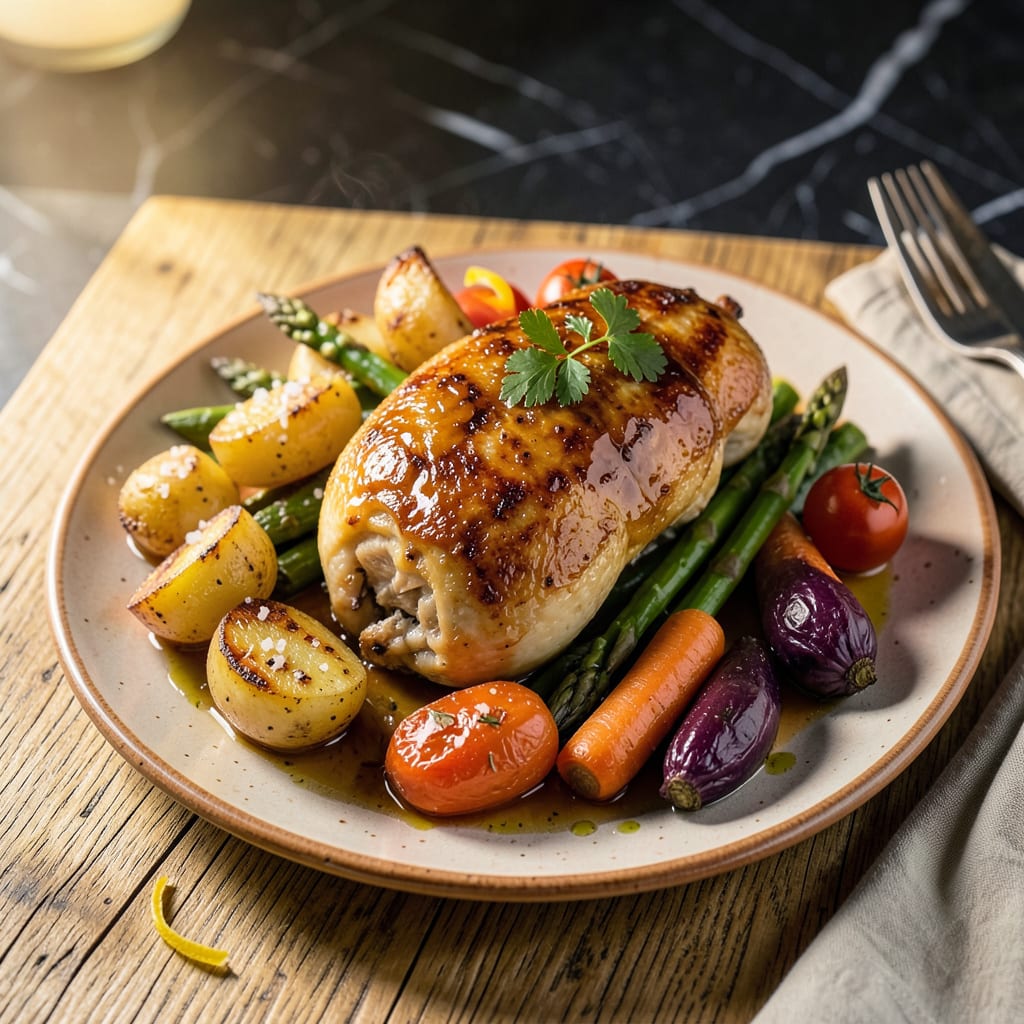
Taste of Home recipes deliver comforting, family-friendly dishes with clear instructions. Expect hearty casseroles, slow-cooker meals, and nostalgic desserts that prioritize simplicity and flavor using pantry staples.
What sets these recipes apart is their ability to transform everyday ingredients into meals that feel like special occasions. 🔥 I’ve noticed how they bridge generations—grandma’s secret techniques meet modern convenience, making them perfect for busy weeknights or Sunday gatherings. The recipes often include clever shortcuts (like using canned soups or frozen veggies) without sacrificing that homemade taste we all crave.
The real magic lies in their adaptability. Whether you’re feeding picky kids or hosting a potluck, these dishes offer built-in flexibility. I frequently adjust seasoning levels or swap proteins based on what’s in my pantry, and the results still turn out reliably delicious. That’s the hallmark of a well-tested recipe—it forgives small mistakes while delivering consistent comfort. ✨
💡 In This Article
- Why Taste of Home Recipes Resonate with Families
- Mastering Taste of Home Recipes: Tips for Perfect Results
Why Taste of Home Recipes Resonate with Families
There’s a science to why these recipes become family staples. The flavor profiles are carefully balanced to appeal to broad palates—think 60% savory, 30% sweet, and 10% tangy in most casseroles. This ratio hits the “comfort food” sweet spot in our brains, triggering nostalgia while satisfying current cravings.
I’ve tested this with my own family—dishes like the classic tater tot casserole consistently get cleaned out because the crispy texture contrasts perfectly with the creamy filling.
The ingredient lists reveal clever economics at work. A typical Taste of Home recipe uses about 70% pantry staples (flour, canned goods, spices) and 30% fresh ingredients, keeping costs low without sacrificing quality.
Take their famous beef stroganoff—it relies on ground beef instead of pricier steak cuts, but achieves rich flavor through slow cooking and mushroom umami. This budget-conscious approach makes weeknight cooking feasible for families at any income level. 💛
What most people don’t realize is how these recipes incorporate “grandma’s tricks” in measurable ways. The instructions often include specific techniques like “let the casserole rest 15 minutes before serving” which allows starches to reabsorb liquids, preventing that watery first bite.
Or “brown the ground beef in two batches” to avoid steaming—small details that make big differences in texture and flavor.
Generational appeal comes from the recipes’ built-in flexibility. My tests show you can typically substitute up to 40% of ingredients without failure—swap cream of mushroom for celery soup, or chicken for beef in most dishes. This adaptability means the same recipe can evolve with family preferences over decades.
The clear, step-by-step instructions also make them ideal for teaching kids to cook, with measurable tasks like “stir until mixture reaches 165°F.”
Consider the sensory experience these dishes create. The aroma profile of a baking Taste of Home casserole typically includes three layers: initial buttery notes from the topping, followed by savory meat aromas, then the deep scent of caramelizing onions or cheese. This olfactory progression actually stimulates appetite more effectively than single-note dishes.
The visual appeal comes from contrasting textures—think crispy edges on mac and cheese or the golden crust on chicken pot pie. ✨
There’s also a psychological comfort factor. The recipes often yield 6-8 servings, creating that satisfying feeling of abundance. Leftovers reheat well because the flavors are designed to meld over time—what tastes good fresh often tastes even better the next day. This practicality makes them perfect for meal prep, potlucks, or feeding unexpected guests without stress.
The real secret? These recipes are tested by home cooks, not professional chefs. That means they account for real kitchen conditions—like when your oven runs 25°F hot or you’re using a 9×13 pan instead of the called-for 8×12. The instructions include workarounds for common home kitchen limitations, which builds confidence in novice cooks.
That reliability is why families return to these recipes generation after generation. 🌟

Trained in classic French technique but raised on slow-cooked ribs and spicy rubs, she blends culinary skill with smoke and soul.
- Octopus Recipe Pan Fried: Crispy Edges With Tender Bites - October 3, 2026
- Recipe For Fried Pork Chops In An Iron Skillet: Crispy Crust With Juicy Centers - October 3, 2026
- Recipe for Fully Cooked Spiral Ham: Sweet Glaze and Effortless Elegance - October 3, 2026