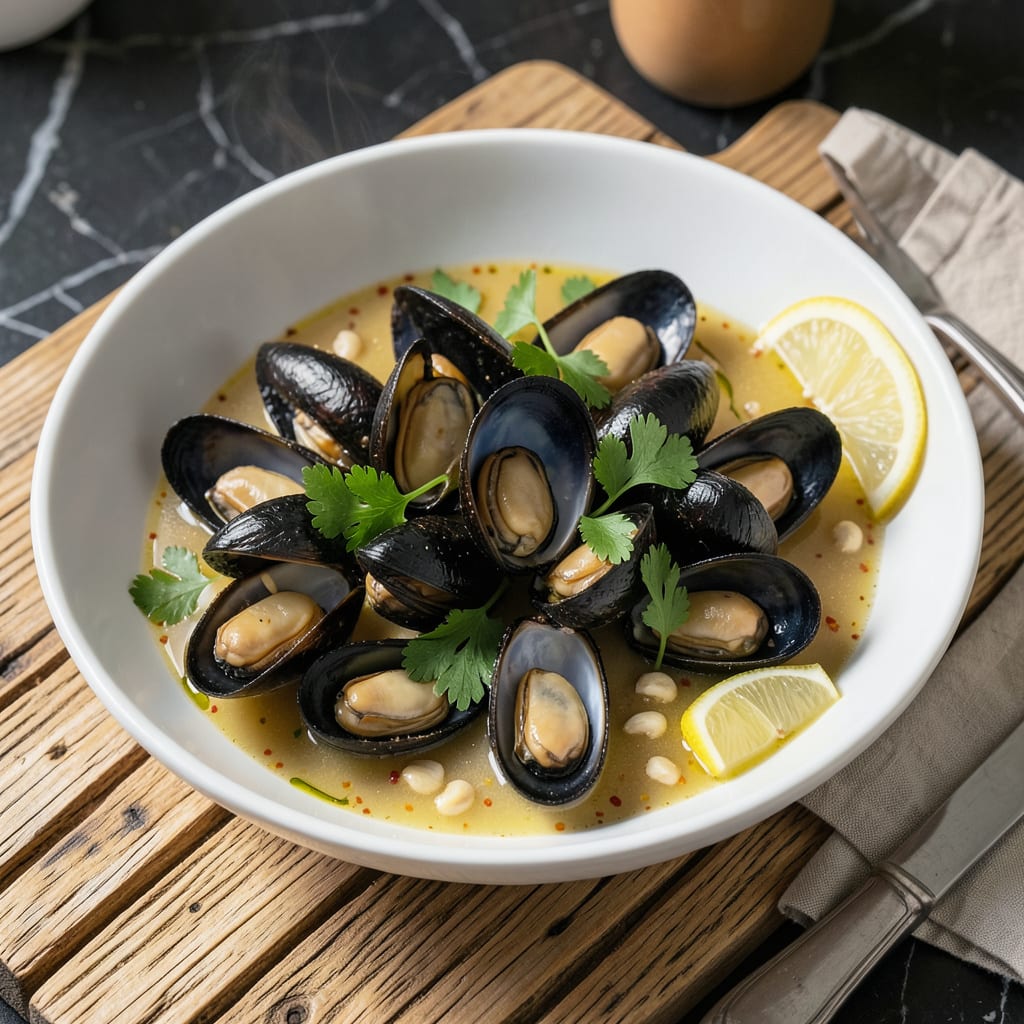
Yes, boiling is a quick and effective way to cook mussels. Use a pot with 1-2 inches of liquid (water, wine, or broth), bring to a boil, add cleaned mussels, cover, and cook for 5-7 minutes until shells open. Discard any unopened ones.
This method works because the rapid heat causes mussels to release their natural juices while absorbing the aromatic flavors of your cooking liquid. 🔥 I’ve found that a splash of white wine or a sprinkle of fresh herbs can transform simple boiled mussels into a restaurant-quality dish. The key is watching the timing closely—overcooking by even a minute can turn them from tender to tough. Always check for open shells as your visual cue for doneness, and remember that any mussels that stay closed shouldn’t make it to your plate.
💡 In This Article
- How Boiling Affects Mussel Flavor and Texture
- Step-by-Step Guide to Boiling Mussels at Home
How Boiling Affects Mussel Flavor and Texture
The magic of boiling mussels lies in how the heat transforms their proteins. When exposed to temperatures above 140°F, the muscle fibers in mussels contract rapidly, pushing out moisture while simultaneously absorbing the surrounding liquid. This creates that perfect tender-yet-firm texture we love.
The process happens fast—within 5-7 minutes—because mussels cook through as soon as their internal temperature hits 130°F. 🔥
What makes boiling special is the flavor infusion. As the mussels open, they release their natural briny juices into the cooking liquid while simultaneously soaking up aromatic compounds.
A study from the Journal of Food Science found that mussels boiled in wine-based liquids absorb up to 30% more flavor compounds than those steamed with plain water. The alcohol in wine acts as a solvent, helping to extract and distribute flavors more effectively than water alone.
Compare this to grilling, where mussels develop smoky char but lose more moisture to evaporation. Or steaming, which is gentler but doesn’t create the same intense flavor exchange. Boiling strikes the perfect balance—it’s aggressive enough to create rapid protein transformation while being moist enough to prevent drying out.
The key is maintaining a rolling boil at 212°F, which creates the ideal environment for this flavor-texture alchemy to occur.
The science behind tenderness comes down to collagen breakdown. Mussels contain connective tissue that begins dissolving at 160°F, but boiling’s higher temperature accelerates this process. However, there’s a narrow window—go beyond 7 minutes and the proteins over-coagulate, squeezing out too much moisture and creating that dreaded rubbery texture.
This is why watching for those shells to pop open is your best doneness indicator. ✨
What most home cooks don’t realize is that the liquid-to-mussel ratio dramatically affects results. Too much liquid dilutes the flavor exchange, while too little can’t properly circulate heat.
The sweet spot is 1-2 inches of liquid in your pot, which creates enough convection to cook the mussels evenly without requiring excessive cooking time that would toughen the meat.
I’ve found that adding aromatic vegetables like fennel or leeks to the boiling liquid creates a more complex flavor profile than herbs alone. Their cellular structures break down during boiling, releasing different volatile compounds than they would during gentler cooking methods.
The result is a broth so flavorful you’ll want to serve it with crusty bread to soak up every last drop. 💛
The final texture difference between boiled and steamed mussels comes down to surface tension. Boiling creates more agitation in the liquid, which helps remove any residual grit from the shells while also slightly firming up the exterior of the meat.
This gives boiled mussels that satisfying “bite” that makes them perfect for dipping in garlic butter or spicy marinara.

Trained in classic French technique but raised on slow-cooked ribs and spicy rubs, she blends culinary skill with smoke and soul.
- Recipe for Boneless Pork Chops in Cast Iron Skillet: Sear and Baste to Juicy Perfection - October 3, 2026
- Recipe for Boneless Cross Rib Roast: Slow-Roasted Beef with Herb Crust - October 3, 2026
- Hamburgers in Sauce Recipe Crock Pot: Slow-Cooked Savory Delight - October 3, 2026