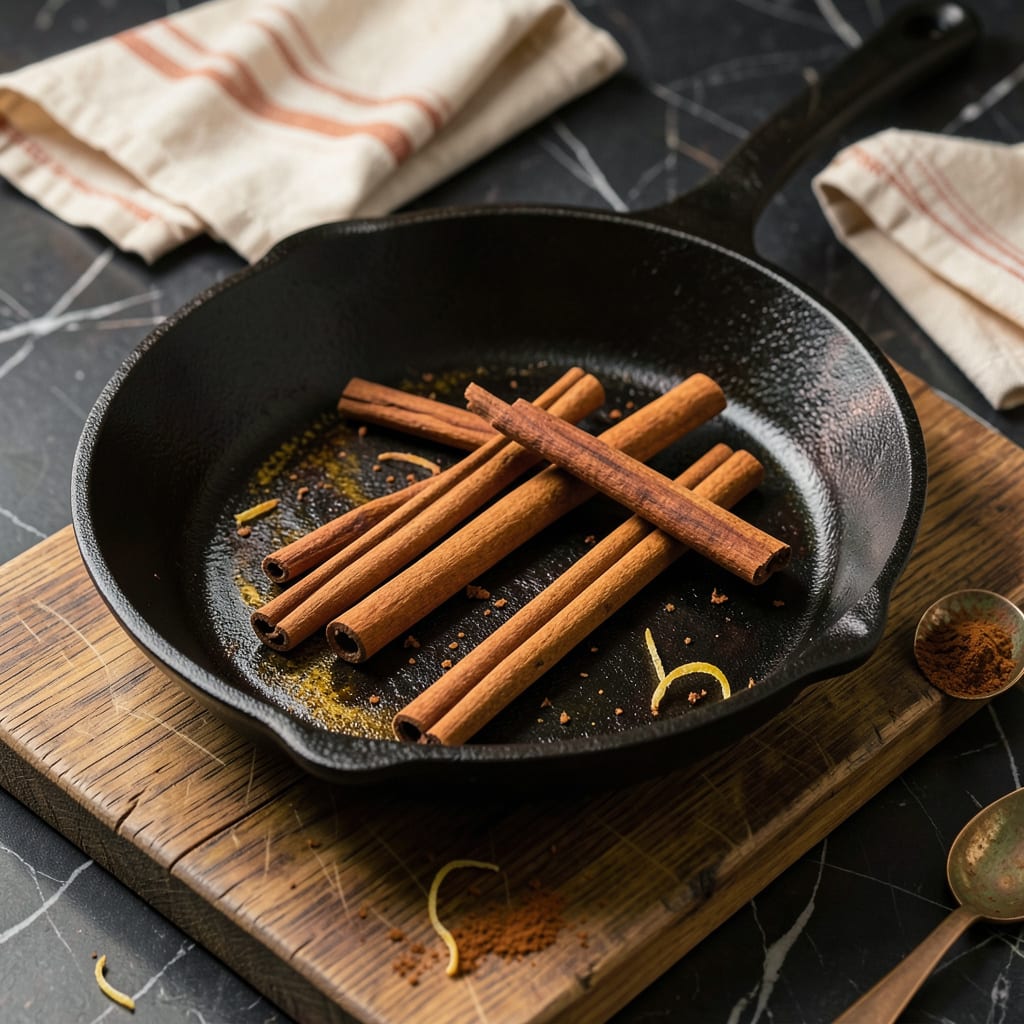
I’ll be real with you—most people don’t realize what they’re missing by using cinnamon sticks straight from the jar. That first crackle when they hit a hot pan? That’s when the real magic starts. The warmth transforms those sticks from one-note background players into deep, complex flavor bombs that’ll change how you cook.
Here’s the thing—toasting cinnamon sticks isn’t some fancy technique reserved for pro kitchens. A dry skillet over medium heat for about 30 seconds until you smell that warm, almost smoky aroma is all it takes. You’ll see the color darken slightly and the oils start to glisten. That’s your cue they’re ready to work their magic in whatever you’re making.
I’ve been using this trick for years, from spiking my morning coffee to building layers in braised meats. The difference is night and day—raw cinnamon can be harsh and one-dimensional, but toasted? It’s warm, slightly sweet, with this underlying richness that makes everything taste more intentional. Once you try it, you’ll never skip this step again.
Whether you’re stirring one into simmering apple cider, steeping it in cream for ice cream, or using it to perfume a pot of rice pudding, that toasted cinnamon stick will elevate your dish from good to “how’d you make this taste so complex?” Let’s get those spices working harder for you.
📚 In This Guide
- What You’ll Need
- Instructions
- Tips and Common Mistakes
What Youll Need
- ● Cinnamon sticks: 4–6 whole sticks (preferably Ceylon for mild sweetness or Cassia for bold flavor). Opt for organic if possible! 🌿
- ● Dry skillet or pan: 1 medium-sized (8–10 inches), heavy-bottomed (cast iron or stainless steel works best). Non-stick isn’t ideal—high heat can damage the coating.
- ● Stovetop: Gas or electric (induction works too, but adjust heat settings carefully).
- ● Tongs or heat-resistant spatula: For flipping sticks safely—no fingers near hot pans! ⚠️
- ● Timer or smartphone: To track toasting time (30–60 seconds max).
- ● Cooling rack or plate: For post-toasting (prevents overcooking).
- ○ Optional: Mortar and pestle (if grinding post-toast) or spice grinder for powder.
- ○ Optional: Baking sheet (for oven-toasting alternative at 300°F/150°C).
Instructions for Toasting Cinnamon Sticks
Here’s how to unlock maximum flavor from your cinnamon sticks with just minutes of effort.
Choose Your Toasting Method
You’ve got two great options for toasting cinnamon sticks: dry skillet or oven. For the skillet method, grab a heavy-bottomed pan (cast iron works beautifully). The oven method requires a baking sheet and preheating to 300°F—this lower temperature prevents burning while ensuring even toasting.
I prefer the skillet method for small batches because you can control the heat more precisely. The oven works better when toasting multiple sticks at once. Either way, you’ll want whole cinnamon sticks (not ground) for this process—they toast more evenly and develop deeper flavor.
Toast Using Your Preferred Method
For the skillet method, place your cinnamon sticks in a dry pan over medium-low heat. Toast for 2-3 minutes per side, turning occasionally with tongs. You’ll know they’re ready when they become fragile to the touch and release a stronger, warmer aroma than raw sticks.
For the oven method, arrange sticks in a single layer on a baking sheet. Toast for 8-10 minutes, flipping halfway through. Watch closely after 6 minutes—cinnamon can go from perfectly toasted to burnt quickly. The sticks should darken slightly but not blacken.
Cool and Store Properly
Remove the toasted sticks from heat immediately and spread them on a cooling rack or clean kitchen towel. Let them cool completely for 10-15 minutes before handling. They’ll become more brittle as they cool, so resist the temptation to break them while hot.
Once cooled, store in an airtight container away from light. Toasted cinnamon sticks maintain their enhanced flavor for 2-3 months. For maximum freshness, I like to keep them whole until ready to use—this preserves their aromatic oils better than pre-ground toasted cinnamon.
Use Your Toasted Cinnamon
Now for the fun part—using your toasted sticks! For hot beverages, steep one stick in 8 ounces of liquid for 5-7 minutes. The toasted version infuses faster and with more complexity than raw cinnamon. You’ll notice deeper caramel notes and less sharpness.
In baked goods, grind the toasted sticks just before adding to your recipe. The heat treatment makes the cinnamon more soluble, so you can often use 25% less than the recipe calls for while getting more flavor impact. Try it in oatmeal, curries, or even savory dishes for a warm depth that raw cinnamon can’t match.
Tips and Common Mistakes
Here’s what I’ve learned from years of toasting spices—these small details make all the difference in flavor and consistency.
Heat Control: When using the skillet method at medium-low heat, resist the urge to increase the temperature. Those 2-3 minutes per side are perfect for developing flavor without burning. I’ve found that cast iron retains heat beautifully, so if your pan starts smoking, remove it from heat immediately and let it cool slightly before continuing. The aroma should intensify gradually, not become acrid.
Oven Method Precision: The 8-10 minutes in a 300°F oven might seem long, but this gentle heat ensures even toasting. Start checking at 6 minutes as instructed—this is when the magic happens. Look for a slight color deepening rather than dark spots. I like to rotate my baking sheet halfway through for perfectly even results, especially when toasting multiple batches.
Cooling Strategy: Those 10-15 minutes of cooling time aren’t just for safety—they’re crucial for flavor development. As the sticks cool, their aromatic compounds stabilize. I spread them on a wire rack rather than a towel for better air circulation, which prevents any residual moisture from making them soggy. You’ll notice the fragrance becomes more complex as they cool.
Storage Wisdom: The 2-3 month storage window is accurate, but here’s how to maximize it: Use a dark glass jar rather than plastic, and keep it in a cool pantry rather than near the stove. I’ve found that toasted cinnamon maintains its peak flavor longest when stored whole—grind only what you need for each use to preserve those volatile oils we worked so hard to develop.
Pro Tips for Toasting Cinnamon Sticks
- Here’s what I’ve learned from years of toasting spices—these small details make all the difference in flavor and cons…
- Heat Control: When using the skillet method at medium-low heat, resist the urge to increase the temperature. Those 2-…
- Oven Method Precision: The 8-10 minutes in a 300°F oven might seem long, but this gentle heat ensures even toasting. …
Frequently Asked Questions
How long should I toast cinnamon sticks for the best flavor?
Toast cinnamon sticks for 10–30 seconds over medium heat, flipping once. Watch closely—they burn fast! You’ll know they’re ready when the aroma intensifies and the edges darken slightly. Over-toasting can make them bitter, so stay alert.
Can I toast cinnamon sticks in the oven instead of a pan?
Preheat your oven to 300°F (150°C), place sticks on a baking sheet, and toast for 3–5 minutes, checking often. Oven-toasting is gentler and great for larger batches, but lacks the quick control of stovetop methods.
What can I use if I don’t have whole cinnamon sticks?
No sticks? No problem! Toast ground cinnamon in a dry pan for 5–10 seconds on low heat, stirring constantly. Pro tip: It burns even faster, so use a light hand and remove it immediately when fragrant.
Why does my toasted cinnamon taste bitter or smoky?
Bitterness usually means it burned. Next time, use lower heat and toast for shorter bursts. If using a gas stove, avoid direct flames—opt for a diffused heat source. Clean your pan first; leftover residues can also affect flavor.
Can I reuse toasted cinnamon sticks?
Yes, but the flavor weakens after the first use. For a second round, steep them in hot liquids (like tea or mulled wine) rather than re-toasting. Store used sticks in an airtight container for up to a week—they’ll still infuse subtle warmth!
Toasting cinnamon sticks is your shortcut to richer flavor and intoxicating warmth—no fancy tools required! 🌟 Whether you’re spicing up drinks, desserts, or savory dishes, a quick toast unlocks layers of aroma that raw sticks just can’t match. Now that you’ve got the know-how, why not test it out? Grab a stick, fire up your pan, and let your kitchen fill with that cozy, nostalgic scent. Your next mulled wine or oatmeal recipe will thank you! 🍷✨

Trained in classic French technique but raised on slow-cooked ribs and spicy rubs, she blends culinary skill with smoke and soul.
- Recipe for Boneless Pork Chops in Cast Iron Skillet: Sear and Baste to Juicy Perfection - October 3, 2026
- Recipe for Boneless Cross Rib Roast: Slow-Roasted Beef with Herb Crust - October 3, 2026
- Hamburgers in Sauce Recipe Crock Pot: Slow-Cooked Savory Delight - October 3, 2026