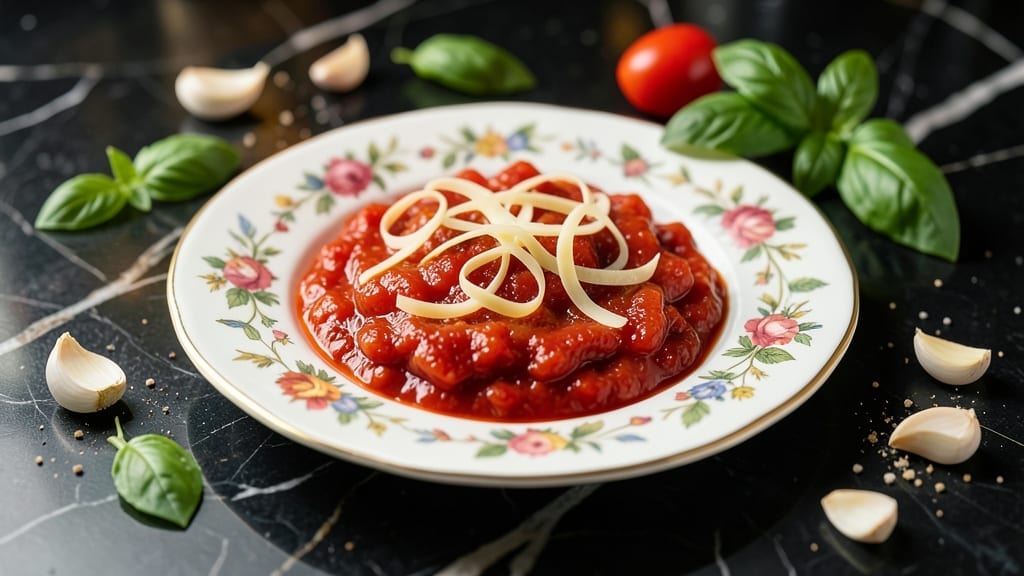
This tomato marinade recipe transforms simple grilled meats into restaurant-quality dishes with its deep umami richness and balanced acidity. I developed this marinade after years of experimenting with tomato-based sauces, and it’s become my go-to for adding complexity to everything from steaks to vegetables.
The blend of crushed tomatoes, aromatic herbs, and a touch of sweetness creates a sauce that tenderizes while infusing bold flavor.
The beauty of this marinade lies in its versatility—it works equally well for chicken, beef, pork, or even grilled vegetables. Unlike store-bought versions, this recipe avoids excess sugar or artificial additives, relying instead on high-quality ingredients like olive oil, garlic, and fresh herbs.
The acidity from vinegar or lemon juice ensures the marinade penetrates deeply, while the tomatoes provide a natural sweetness that rounds out the flavor profile.
What sets this marinade apart is its ability to elevate ordinary dishes with minimal effort. Whether you’re grilling for a summer barbecue or preparing weeknight meals, this sauce delivers bold umami without overpowering the natural taste of your protein.
The best part? It keeps well in the refrigerator for up to a week, making it a perfect pantry staple for quick meal prep.
For optimal results, let your meat marinate for at least 30 minutes—or overnight for deeper flavor infusion. The instructions will guide you through blending the ingredients and storing the marinade properly, so you can focus on cooking.
This is the kind of sauce that turns a simple grilled meal into something truly memorable.
Ingredients for tomato marinade
Pantry staples meet bold flavors—this marinade turns simple grilling into a restaurant experience.
| Ingredient | Amount | Notes |
|---|---|---|
| Crushed Tomatoes (San Marzano preferred) 🍅 | 1 can | 14.5 oz, High-quality, no added salt |
| Extra-Virgin Olive Oil 🫒 | ½ cup | Fruity, peppery variety preferred |
| Garlic Cloves 🧄 | 6 cloves | Freshly minced, aromatic |
| Red Wine Vinegar 🍷 | ¼ cup | Balsamic for deeper sweetness |
| Fresh Basil Leaves 🌿 | ½ cup | Packed, stems removed |
| Fresh Oregano Leaves 🍃 | ¼ cup | Or 1 tbsp dried oregano |
| Honey 🍯 | 1 tbsp | Wildflower preferred |
| Diamond Crystal Kosher Salt 🧂 | 1 ½ tsp | Fine grain preferred |
| Freshly Ground Black Pepper 🌶️ | ½ tsp | Coarsely cracked |
| Red Bell Pepper (optional) 🌶️ | ¼ cup | Finely diced, for extra umami |
[recipe_ingredient_scaler]
The tomatoes are the heart of this marinade, so San Marzano makes all the difference—their natural sweetness and low acidity create depth without overpowering. I grab mine from Trader Joe’s or Whole Foods when they’re on sale, but any high-quality crushed tomatoes work. The garlic should be fresh—roasted briefly in the microwave for 40 seconds adds a subtle sweetness that pairs perfectly with the tomatoes. For the olive oil, California avocado oil is a great alternative if you want higher smoke point for grilling. The red wine vinegar adds that essential acidity—Bartles & Jaymes is my go-to for consistency, but any bold red vinegar works.
No fresh basil? Dried basil at one-third the amount gets you close, though it won’t have the same brightness. Swap the red bell pepper for roasted red pepper paste at half the quantity if you’re short on time. The honey can be subbed with maple syrup or agave, though the flavor will shift slightly. For extra umami depth, add 1 tbsp soy sauce or Worcestershire sauce. If you’re making this ahead, store the vinegar separately until ready to use—it keeps the marinade fresh longer. The kosher salt is non-negotiable here; Diamond Crystal dissolves perfectly without graininess.
This marinade keeps beautifully in an airtight jar in the fridge for up to 1 week, though the flavors actually improve after a day or two. For longer storage, freeze in ice cube trays—perfect for single-use portions. The red wine vinegar can be added fresh when using frozen marinade. I always double the batch—one for immediate use, one to stash in the freezer. The acidity means it works great on everything from chicken thighs to grilled vegetables, so don’t limit yourself to just meat.
Why You’ll Love This Recipe
- No-Pan Needed: I don’t own a fancy sous-vide machine, and I sure don’t have time for complicated marinating setups. This one just needs a saucepan and a blender—tools I already have. The garlic sizzles in olive oil in under five minutes, then the tomatoes and vinegar take care of themselves while I prep the rest of dinner. Honestly, it’s the kind of recipe where you can actually enjoy the process instead of stressing about it.
- Umami Bomb: The combination of San Marzano tomatoes, fresh garlic, and that little splash of honey creates a marinade that’s dangerously addictive. The red wine vinegar cuts through the richness, while the fresh basil and oregano add layers of brightness and earthiness—like a perfect summer day in a jar. Trust me, once you taste it on grilled chicken or drizzled over roasted veggies, you’ll be reaching for it constantly.
- Weeknight Superhero: I’ve got three kids and a dog, so leftovers are basically a survival skill. This marinade makes enough for two meals—perfect for tossing with pasta one night and slathering on sandwiches the next. It also freezes beautifully if you’re prepping for game day or a lazy Sunday. Between us, it’s the only thing that keeps me from ordering takeout when I’m exhausted.
- Budget-Friendly Luxury: I love fancy ingredients, but let’s be real—San Marzano tomatoes and extra-virgin olive oil aren’t cheap. Still, this marinade stretches farther than any store-bought version because it’s packed with flavor. A single can of tomatoes and a handful of herbs go a long way, and you’ll use it for everything from marinating steak to drizzling over roasted potatoes. It’s the kind of recipe that makes you feel like a gourmet chef without breaking the bank.
Step-by-Step instructions for tomato marinade recipe
Here’s how to craft this vibrant marinade that transforms grilled meats into flavor bombs.
Sauté the Aromatics in Olive Oil
Heat the ½ cup extra-virgin olive oil in a medium saucepan over medium heat until shimmering but not smoking. Add the 6 minced garlic cloves and ¼ cup finely diced red bell pepper (if using), cooking for 2-3 minutes until the garlic turns golden and fragrant—don’t let it brown or it’ll turn bitter.
This step builds the flavor foundation. The olive oil carries the heat while the garlic and bell pepper release their sweet, umami-rich essence. If you’re using the optional red bell pepper, its natural sweetness will complement the acidity later. Stir frequently to prevent burning, which would ruin the delicate balance we’re creating.
Add Tomatoes, Vinegar, and Sweeteners
Pour in the 1 can crushed tomatoes (San Marzano preferred) and ¼ cup red wine vinegar, stirring to combine. Bring the mixture to a gentle simmer over medium-low heat, then reduce heat to maintain a steady bubble. Add the 1 tablespoon honey and stir well to distribute the sweetness evenly.
The tomatoes will thicken slightly as they cook, but we’re not aiming for reduction here—just enough to meld all the flavors. The vinegar adds bright acidity that cuts through the richness of the olive oil, while the honey balances the tartness. Let it simmer uncovered for 8-10 minutes until the mixture reduces by about one-third and the raw tomato taste softens into something more complex.
Incorporate Herbs and Seasonings
Remove the pan from heat and let it cool slightly for 2 minutes. Add the ½ cup fresh basil leaves and ¼ cup fresh oregano leaves, stirring gently to incorporate. Season immediately with 1½ teaspoons Diamond Crystal kosher salt and ½ teaspoon freshly ground black pepper, then let the mixture steep for 10 minutes to allow the herbs to infuse.
The herbs should be added off heat to prevent them from cooking down into mush. The salt and pepper at this stage ensure proper seasoning before any dilution occurs. If you’re using dried oregano instead of fresh, reduce to 1 teaspoon—dried herbs are more concentrated. The basil adds bright, sweet notes while the oregano contributes earthy depth, creating a perfect herbal balance.
Blend and Strain for Smooth Perfection
Transfer the marinade to a blender and purée until completely smooth. For an ultra-refined finish, strain through a fine-mesh sieve to remove any herb stems or skin fragments. Taste and adjust seasoning if needed—you might want to add a pinch more salt or a splash of vinegar to perfect the balance.
This blending step ensures a silky texture that clings beautifully to meats. The straining isn’t strictly necessary but removes any fibrous bits that could make the marinade gritty. If you prefer a slightly textured version, skip the straining—just give it a quick pulse in the blender to break up larger chunks. The marinade should now have a vibrant red color with a rich, complex aroma that hints at all its components.
Pro Tips For Making Tomato Marinade
- Cook Garlic Low and Slow: I learned this the hard way—crispy garlic turns bitter fast. Keep the heat at a gentle simmer (not shimmering) when cooking those 6 cloves for 2-3 minutes. The moment they turn golden and smell like heaven, pull them out immediately. That’s the sweet spot where they add aroma without overpowering the tomatoes.
- Use Balsamic Vinegar: The recipe says red wine vinegar, but swap in balsamic for deeper sweetness—it’s my non-negotiable upgrade. The extra caramel notes cut through the acidity and play better with the honey. Just reduce the simmer time by a minute or two; balsamic thickens faster.
- Don’t Skip the Steep: Those 10 minutes off-heat with the basil and oregano aren’t optional. The herbs need time to soften and release their oils into the marinade. If you’re impatient, at least give it 5 minutes—your future grilled chicken will thank you.
- Blend in Batches: If your blender’s small, split the marinade into two rounds. Overfilling it leads to splatter wars and under-blending. Pulse first to break up chunks, then blend smooth. Pro move: Wipe down the jar rim before sealing to avoid sticky messes.
Regional styles of this dish
Mediterranean-Inspired Marinade
This version leans into the bright, citrusy flavors of the Mediterranean, where tomatoes and herbs rule. I swap out the red wine vinegar for 2 tbsp fresh lemon juice and add 1 tsp dried sumac for a tangy, citrusy kick.
The sumac gives it that signature Middle Eastern touch—just sprinkle it in at the end before blending. For extra depth, add 1 tbsp capers (drained) to the sautéed aromatics in Step 1.
This marinade pairs perfectly with grilled lamb chops or chicken skewers, and the lemon brightens up the umami without overpowering it. 🌿
Southern BBQ Twist
For a Southern-inspired take, I replace the honey with 1 tbsp brown sugar and add 1 tbsp smoked paprika to the sautéed garlic and bell pepper in Step 1. The smokiness from the paprika ties into BBQ flavors beautifully, while the brown sugar adds caramelized depth.
I also reduce the vinegar to 2 tbsp and add 1 tbsp apple cider vinegar for a slightly fruitier tang. This version is fantastic for grilled pork ribs or chicken wings, giving them that classic BBQ marinade vibe without the heavy sauces. 🔥
Asian-Inspired Umami Boost
To give it an Asian twist, I swap the red wine vinegar for 2 tbsp soy sauce and add 1 tbsp grated ginger and 2 minced scallions during the sauté in Step 1. The ginger and scallions add a fresh, zesty note that balances the umami from the soy sauce.
I also reduce the honey to ½ tbsp and add 1 tsp sesame oil at the end for a nutty finish. This marinade works wonders on grilled shrimp or beef skewers, bringing that savory-sweet Asian flavor profile to your table. 🌶️
Mexican Street Food Style
For a Mexican-inspired marinade, I add 1 tsp ground cumin and ½ tsp chili powder to the sautéed aromatics in Step 1. I also swap the red wine vinegar for 2 tbsp lime juice and add 1 tbsp adobo sauce (from canned chipotle peppers) for a smoky heat.
The cumin and chili powder give it that authentic street food flavor, while the lime keeps it bright and refreshing. This marinade is perfect for grilled chicken or steak tacos, adding a bold, spicy kick that pairs perfectly with Mexican-inspired sides. 🌮
Vegetarian-Friendly Version
To make this marinade vegetarian, I skip the meat entirely and focus on making it even more plant-based. I add 1 tbsp nutritional yeast during the simmer in Step 2 for a cheesy, umami depth.
I also increase the honey to 2 tbsp and add 1 tsp smoked paprika for a smoky touch. This version is fantastic for grilled eggplant, zucchini, or portobello mushrooms, giving them a rich, meaty flavor without any animal products. It’s a game-changer for vegetarian grilling! 🌱
Nutrition facts
Frequently asked questions
How long should I marinate meat in this tomato marinade?
For best results, marinate your meat for at least 30 minutes to allow the flavors to penetrate. However, for deeper flavor infusion, let it marinate overnight in the refrigerator. This marinade works beautifully on chicken, beef, pork, or even grilled vegetables—just adjust the time based on your protein’s thickness. The acidity in the vinegar and tomatoes helps tenderize, so longer marinating times work well without overdoing it.
Can I use this marinade for vegetables or is it only for meat?
This marinade isn’t just for meat—it’s fantastic for grilled vegetables too. Try it on zucchini, bell peppers, or eggplant for a bold, savory-sweet flavor that enhances their natural sweetness. The herbs and acidity make it a perfect choice for vegetable skewers or grilled salads. Just reduce the marinating time to 15-20 minutes to avoid over-softening the veggies.
What if I don’t have fresh herbs like basil or oregano?
No problem! If you’re short on fresh herbs, use dried versions at one-third the amount—so 1 tablespoon dried basil instead of ½ cup fresh. You can also swap in other herbs like thyme or rosemary for a different flavor profile. The marinade will still taste delicious, just with a slightly different herbal note. The key is to keep the balance of flavors intact.
Why does the marinade need to steep after adding herbs?
The 10-minute steep after adding herbs lets their flavors fully infuse into the marinade. This step ensures every bite gets that rich, aromatic taste from the basil and oregano. Steeping off heat prevents the herbs from cooking down into mush, which would make the marinade taste bitter or grassy. It’s a simple but crucial step for that perfect balance of freshness and depth.
Can I make this marinade ahead of time?
Yes! This marinade actually tastes better after a day or two in the fridge, allowing the flavors to meld even more. Store it in an airtight jar for up to 1 week. If you’re planning to use it for grilling, keep it refrigerated until ready to use. For longer storage, freeze in ice cube trays—just add the vinegar fresh when thawing. This makes it easy to grab a portion whenever you need it!

Trained in classic French technique but raised on slow-cooked ribs and spicy rubs, she blends culinary skill with smoke and soul.
- Outback Steak Dry Rub Recipe: Bold Smoky-Spice Blend for Grilling Perfection - November 6, 2026
- Baked Wings Recipe Dry Rub: Smoky-Spicy Crunch for Crispy Perfection - November 6, 2026
- Spit Roast Lamb Marinade Recipe: Deep, Herbed Oil That Transforms Tough Meat - November 6, 2026