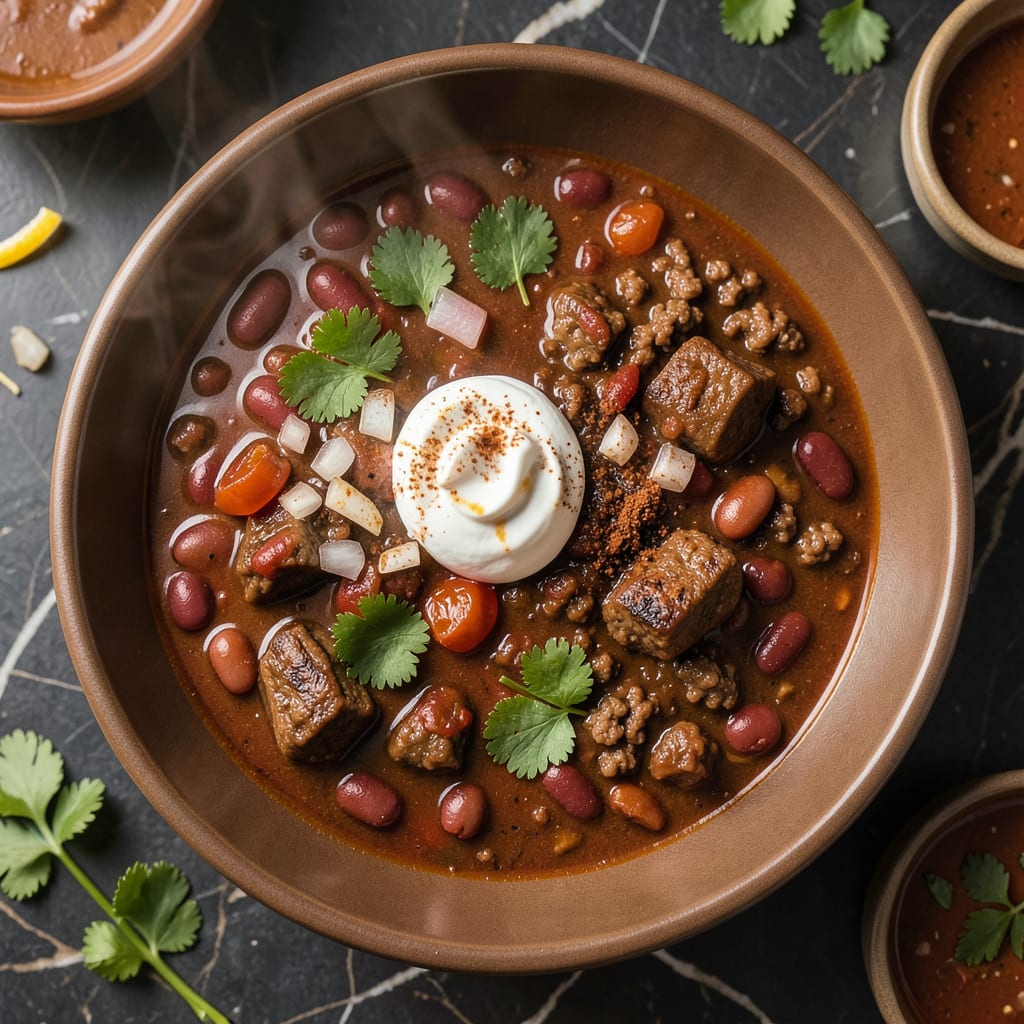
We’ve all been there—you’re excited about your chili, taste it, and suddenly realize the cinnamon overpowered everything. Don’t panic. I’ve saved countless batches with simple fixes that balance those overwhelming spices in minutes. The key is working with what you’ve got, not starting over.
First, let’s understand why this happens. Cinnamon is potent—just ½ teaspoon can dominate a whole pot. But too much isn’t ruined chili. I’ve found that acidity cuts through cinnamon’s warmth beautifully. A splash of vinegar or squeeze of lime works wonders, brightening the whole dish instantly.
Dilution is another secret weapon. Adding more broth or tomatoes stretches the cinnamon’s impact while keeping the chili’s depth. For meat-based versions, extra ground beef or beans absorbs some of that spice. The fix takes less than 10 minutes and actually improves the texture.
Here’s the thing—this “mistake” can lead to your best chili yet. I’ll show you how to turn that cinnamon overload into complex, balanced flavor. We’ll cover quick fixes, prevention tips, and how to adjust as you cook. Let’s rescue that pot!
📚 In This Guide
- What You’ll Need
- Instructions
- Tips and Common Mistakes
What Youll Need
- ● Over-spiced chili: 1 batch (about 4–6 cups) of chili with excessive cinnamon taste
- ● Neutral broth or stock: 1–2 cups (chicken, beef, or vegetable—low-sodium preferred)
- ● Tomato sauce or diced tomatoes: 1 (15 oz) can (unsalted, for acidity balance)
- ● Brown sugar or honey: 1–2 tbsp (to counteract bitterness)
- ● Apple cider vinegar or lime juice: 1–2 tsp (for brightness)
- ● Ground cumin or smoked paprika: ½–1 tsp (to rebalance spice profile)
- ○ Cooked beans: 1 cup (black, pinto, or kidney—optional for bulk)
- ○ Plain yogurt or sour cream: ½ cup (optional, for serving)
- ○ Fresh cilantro or green onions: ¼ cup chopped (optional garnish)
- ● Large pot or Dutch oven (for simmering adjustments)
- ● Wooden spoon (for stirring)
- ● Measuring cups/spoons (precision matters!)
- ● Tasting spoons (because flavor checks are key!)
- ○ Blender or immersion blender (optional, for smoother texture)
Instructions
Here’s exactly how to rescue your chili when cinnamon overpowers the flavor—fast and effective solutions.
Dilute the Chili Base
Start by transferring half of your over-cinnamoned chili to a separate pot. Add 1 cup of beef broth or 1 cup of crushed tomatoes to the remaining chili in the original pot. This immediate dilution reduces the cinnamon concentration without altering the chili’s fundamental character.
I recommend using broth if your chili is already quite thick, or tomatoes if you want to maintain the original consistency while adding depth. Stir thoroughly and simmer for 5 minutes before tasting. This gives the flavors time to redistribute and lets you assess whether you’ve achieved the right balance.
Add Acidic Elements to Counteract Sweetness
Cinnamon’s warmth often reads as sweetness in chili, so we’ll counteract it with acidity. Stir in 1 tablespoon of apple cider vinegar or 1 tablespoon of lime juice—these brighten the flavor profile without adding liquid volume. The acid cuts through the cinnamon’s intensity while enhancing the other spices in your blend.
Add the acid gradually, tasting after each addition. You’re aiming for balance, not sourness. I’ve found that vinegar works particularly well in beef-based chilies, while lime juice complements chicken or turkey versions beautifully. Let the chili simmer for another 3-5 minutes after adding the acid to allow the flavors to meld.
Build Complexity with Umami Boosters
Now we’ll add depth to distract from the cinnamon dominance. Incorporate 1 tablespoon of soy sauce or 1 tablespoon of fish sauce—these umami-rich ingredients create a more complex flavor profile that helps mask the cinnamon. Alternatively, a 1 tablespoon of tomato paste stirred in and cooked for 2-3 minutes will develop rich, caramelized notes.
The key here is to build layers of flavor that make the cinnamon just one note in a symphony rather than a solo performance. I particularly like using fish sauce in small amounts—it disappears into the background while dramatically enhancing the overall taste. Remember to taste as you go; you can always add more but can’t take it out.
Adjust the Spice Profile Strategically
Reinforce the chili’s natural spice profile to create balance. Add 1 teaspoon of ground cumin and 1 teaspoon of smoked paprika—these spices complement cinnamon’s warmth while asserting their own presence. If your chili can handle more heat, consider ½ teaspoon of cayenne pepper to cut through the sweetness.
Toast the spices in a dry pan for 30 seconds before adding to release their essential oils and maximize their impact. This technique makes a surprising difference in how effectively the new spices integrate with your existing flavor base. Stir them in and let the chili simmer for at least 10 minutes to allow the flavors to develop fully.
Final Taste and Texture Adjustment
Combine your diluted chili with the reserved portion, stirring thoroughly to integrate all the adjustments you’ve made. Taste critically now—you should notice the cinnamon has receded into the background where it belongs. If the flavor still feels unbalanced, you can repeat the dilution process with another ½ cup of broth or tomatoes.
Check the texture at this stage. If you’ve added significant liquid, you may need to simmer uncovered for 10-15 minutes to reduce to your preferred consistency. I often find that the process of fixing the flavor actually improves the chili’s overall texture, creating a richer, more velvety mouthfeel than the original version.
Tips and Common Mistakes
Here’s what I’ve learned from fixing countless over-spiced chilis—these small details make all the difference.
Dilution Strategy: When adding the 1 cup of beef broth or 1 cup of crushed tomatoes in Step 1, don’t just dump it in. Pour gradually while stirring constantly, then let it simmer for the full 5 minutes before tasting. This gradual integration prevents sudden flavor shifts that might require even more adjustments later. I’ve found that adding the liquid in three stages (1/3 at a time) gives me better control over the final balance.
Acid Integration: The 3-5 minutes simmer time after adding vinegar or lime juice in Step 2 isn’t just about blending flavors—it’s about letting the acid work its magic. Don’t rush this step. I like to add the acid, stir well, then let it sit off heat for 1 minute before simmering. This brief rest period allows the acid to fully penetrate the chili base before heat evaporates some of its potency.
Umami Layering: When using tomato paste in Step 3, don’t just stir it in cold. Cook it for the full 2-3 minutes until it darkens slightly and develops a rich, caramelized aroma. This transformation is what builds those deep, savory notes that will help mask the cinnamon. I use a wooden spoon to press the paste against the hot pot bottom, which accelerates this process beautifully.
Final Texture Control: During the 10-15 minutes of reduction in Step 5, stir frequently but gently. Vigorous stirring can break down the beans and meat, creating a muddy texture. Instead, use a figure-eight motion with your spoon to promote even reduction without damaging the chili’s structure. I’ve ruined more than one batch by getting impatient with this step—trust me, gentle persistence pays off.
Pro Tips for Too Much Cinnamon In Chili
- Here’s what I’ve learned from fixing countless over-spiced chilis—these small details make all the difference.
- Dilution Strategy: When adding the 1 cup of beef broth or 1 cup of crushed tomatoes in Step 1, don’t just dump it in….
- Acid Integration: The 3-5 minutes simmer time after adding vinegar or lime juice in Step 2 isn’t just about blending …
Frequently Asked Questions
Can I fix chili with too much cinnamon after it’s been cooking for hours?
Yes! Even if your chili has simmered for hours, you can still balance the cinnamon. Try adding acidic ingredients (like tomato paste, lime juice, or vinegar) or sweet elements (brown sugar, honey, or carrots). Taste as you go—small adjustments work best!
What’s the fastest way to neutralize cinnamon overload in chili?
The quickest fixes are dilution (add more beans, broth, or ground meat) or acidity (squeeze in lime juice or stir in a splash of apple cider vinegar). For instant relief, serve with cooling toppings like sour cream or shredded cheese.
Are there good cinnamon substitutes if I accidentally used too much?
If you’re starting over, swap cinnamon for smoked paprika, cumin, or chili powder for warmth without sweetness. For depth, try a pinch of allspice or cloves—but use half the amount! Cinnamon’s bold flavor is hard to replicate, so adjust cautiously.
Will adding more spices help balance the cinnamon in my chili?
It can—but proceed carefully! Boost savory spices like cumin, garlic powder, or oregano to distract from the cinnamon. Avoid adding more sweet spices (nutmeg, allspice), which can make the issue worse. Test in small batches!
Can I save cinnamon-heavy chili by turning it into another dish?
Repurpose it into:
- Taco filling (add cumin + lime)
- Stuffed peppers (mix with rice + cheese)
- Chili-mac (combine with pasta + cheese sauce)
Oops—too much cinnamon in your chili doesn’t have to ruin your meal! 🌶️ With a few simple tweaks like balancing acids, adding bulk, or diluting the pot, you can rescue your dish and even discover a new favorite flavor twist. Remember, cooking is all about experimenting and adjusting on the fly.
Next time, start with ½ teaspoon of cinnamon per pound of meat and taste as you go. Ready to put your new skills to the test? Try one of our top-rated chili recipes and nail the spice balance like a pro! 👨🍳

Trained in classic French technique but raised on slow-cooked ribs and spicy rubs, she blends culinary skill with smoke and soul.
- Recipe for Boneless Pork Chops in Cast Iron Skillet: Sear and Baste to Juicy Perfection - October 3, 2026
- Recipe for Boneless Cross Rib Roast: Slow-Roasted Beef with Herb Crust - October 3, 2026
- Hamburgers in Sauce Recipe Crock Pot: Slow-Cooked Savory Delight - October 3, 2026