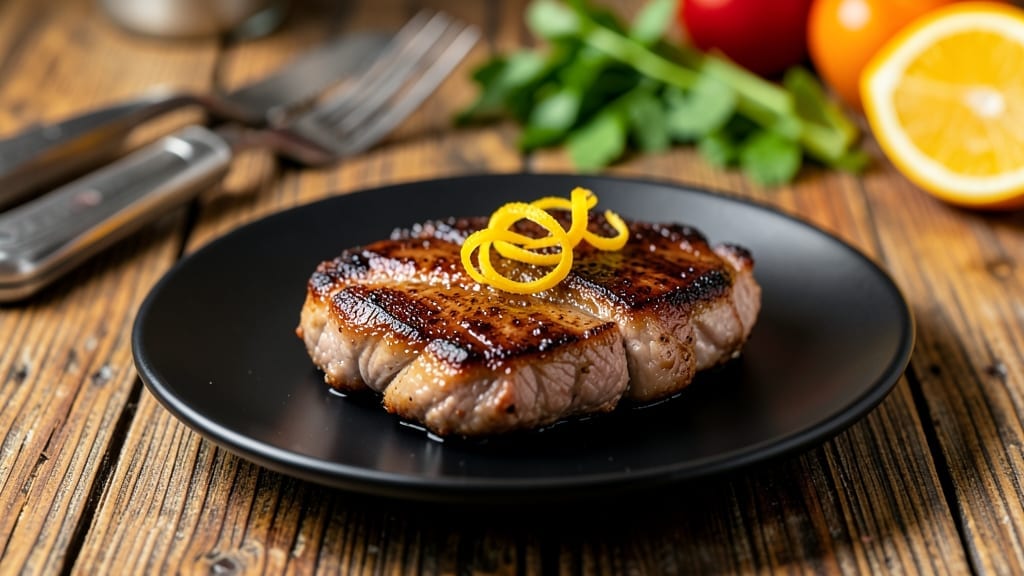
This Traeger smoked pork chops recipe delivers juicy meat with a perfect crust and deep smoky flavor in just one hour—no dry, tough cuts here. Growing up in small-town Georgia, I learned that the secret to smoky pork lies in precise temperature control and proper wood selection.
The right balance transforms simple chops into a restaurant-worthy centerpiece that feels like a Sunday supper.
What sets this method apart is the foolproof combination of applewood smoke and a simple dry rub that enhances natural flavors without overpowering them. At 225°F, the pork cooks slowly to develop that signature bark while staying tender inside.
I’ve perfected this technique over years of cooking for crowds, ensuring every chop comes out with a crisp exterior and melt-in-your-mouth interior—no guesswork involved.
The result is pork chops with a caramelized crust that crackles when you cut in, infused with smoky depth from the Traeger. The internal temperature hits 145°F every time, guaranteeing perfect doneness.
Serve these with roasted potatoes or a crisp apple slaw to complete the meal—this is the kind of dish that turns weeknights into special occasions.
Once you try this method, you’ll never settle for anything less than smoky, restaurant-quality pork chops again. The technique is simple enough for weeknight dinners but impressive enough for guests. Let’s get started on creating your best smoked pork chops yet.
Ingredients for traeger smoked pork chops
Simple ingredients create restaurant-quality smoked pork chops with perfect bark.
| Ingredient | Amount | Notes |
|---|---|---|
| Pork Chops (Bone-In) 🐷 | 1 ½ lb | Center-cut, 1-inch thick |
| Applewood Pellets 🌳 | 1 bag | Traeger brand preferred |
| Brown Sugar 🍚 | ¼ cup | Packed, for dry rub |
| Smoked Paprika 🌶️ | 2 tbsp | Sweet or hot variety |
| Garlic Powder 🧄 | 1 tbsp | Freshly ground preferred |
| Onion Powder 🧅 | 1 tbsp | For savory depth |
| Dried Thyme 🌿 | 1 tsp | Mexican oregano alternative |
| Kosher Salt 🧂 | 1 tsp | Fine grain preferred |
| Black Pepper 🌶️ | ½ tsp | Freshly ground for best flavor |
| Olive Oil 🫒 | 2 tbsp | For basting and searing |
| Apple Cider Vinegar 🍎 | 2 tbsp | For basting solution |
[recipe_ingredient_scaler]
The pork chops are everything here. Center-cut, bone-in chops stay juicier than boneless cuts and develop that perfect bark. Look for 1-inch thick chops—thinner chops dry out, thicker ones take too long. I always buy from Costco when I can get a good deal, but local butcher shops often have better quality for smaller batches. The Traeger brand applewood pellets are worth it—they burn cleaner and give that authentic smoky flavor.
No applewood pellets? Hickory or cherry wood chips work in a pinch—just soak them first. Want to skip the vinegar? Apple juice or even water will still add moisture. Dried thyme is great, but if you’ve got fresh thyme leaves, use them at half the amount. The brown sugar gives that caramelized crust—dark brown sugar works even better. And if you’re out of kosher salt, regular table salt at 3/4 the amount is fine.
Store the dry rub ingredients in an airtight container for up to 6 months. Keep the pork chops in the fridge, wrapped in plastic, for 2-3 days max. The best part? These chops taste even better the next day as the flavors meld. I always double the dry rub and store it—I use it on ribs, chicken, and even potatoes. The Traeger can run continuously for 8-10 hours if you’re cooking multiple batches—just keep an eye on the pellets.
Why You’ll Love This Recipe
- I’ve got a secret: this recipe takes less effort than ordering takeout. Just toss those bone-in chops with that sweet brown sugar and smoked paprika mix, let them sit while you prep the smoker, and boom—you’re done. The Traeger does all the heavy lifting while you sip that wine you’ve been saving.
- No Fuss, No Stress: I’ve got a secret: this recipe takes less effort than ordering takeout. Just toss those bone-in chops with that sweet brown sugar and smoked paprika mix, let them sit while you prep the smoker, and boom—you’re done. The Traeger does all the heavy lifting while you sip that wine you’ve been saving.
- Chef’s Kiss Crisp: Honestly, the bark on these chops is chef’s kiss—that deep mahogany crust from the applewood pellets and brown sugar? It’s not just pretty, it’s dangerously good. The garlic powder and onion powder sneak in savory depth, but the real magic is how the apple cider vinegar basting keeps the meat juicy while making that crust crackle.
- Leftovers That Won’t Disappoint: I make these for Sunday dinner, and honestly, the leftovers are even better the next day. Slice them thin, reheat gently, and throw them on a sandwich with coleslaw or in a grain bowl. The smoky flavor just gets richer, and you’re not stuck with dry meat—those 1.5 pounds feed four people, so it’s a no-brainer for meal prep.
Step-by-step instructions for Traeger smoked pork chops
Here’s the foolproof method for smoky, juicy pork chops with perfect bark every time.
Prepare the Dry Rub and Season the Pork Chops
In a small bowl, combine the ¼ cup packed brown sugar, 2 tablespoons smoked paprika, 1 tablespoon garlic powder, 1 tablespoon onion powder, 1 teaspoon dried thyme, 1 teaspoon kosher salt, and ½ teaspoon black pepper. Mix thoroughly until evenly distributed—this is your flavor-packed dry rub. The brown sugar will help create that beautiful bark while adding subtle sweetness that balances the smokiness.
Pat the 1½ pound bone-in pork chops dry with paper towels, then generously coat both sides with the dry rub mixture. Press it in firmly so it sticks well. Here’s the thing—don’t skip this pressing step. It ensures the rub adheres during smoking and creates maximum flavor penetration. Let the seasoned chops sit at room temperature for 15-20 minutes before smoking. This brief resting period helps the meat cook more evenly and prevents cold spots that could lead to uneven cooking.
Set Up the Traeger and Smoke the Pork Chops
Fill the Traeger with 1 bag of applewood pellets and preheat to 225°F. Applewood gives these chops that signature sweet, fruity smoke flavor that pairs perfectly with pork. Let the smoker run for 10-15 minutes to establish a steady blue smoke—this is your signal that everything’s ready. The reason we use this lower temperature is to ensure the chops cook through gently while developing that incredible bark.
Once the smoker reaches temperature, place the pork chops on the grill grates, bone-side down. This positioning helps protect the more delicate meat near the bone from overcooking while allowing the fat cap to render and baste the chops. Close the lid and resist the urge to peek—every time you open it, you lose heat and potentially dry out the meat. Smoke the chops for 45-50 minutes, flipping once after 25 minutes to ensure even cooking and bark development on both sides.
Baste and Finish with Olive Oil and Apple Cider Vinegar
After 45 minutes, remove the chops from the smoker and brush both sides generously with a mixture of 2 tablespoons olive oil and 2 tablespoons apple cider vinegar. This basting solution adds moisture, enhances the bark formation, and introduces a bright, tangy note that cuts through the richness of the pork. The combination of olive oil and vinegar creates a glossy finish that’s both flavorful and visually appealing.
Return the chops to the smoker and continue cooking for another 10-15 minutes, or until the internal temperature reaches 145°F when measured at the thickest part of the chop. You’ll know they’re ready when the bark is deep mahogany in color and the meat is fork-tender. Here’s a pro tip: If the bark isn’t forming as expected, simply increase the temperature to 250°F for the final 10 minutes to crisp it up. The vinegar in the basting solution helps create that perfect balance of tenderness and texture.
Rest and Serve for Maximum Juiciness
Once the chops reach 145°F, remove them from the smoker and transfer to a cutting board. Let them rest for 5-10 minutes before serving. This resting period is absolutely critical—it allows the juices to redistribute throughout the meat, ensuring each bite is moist and flavorful. Skipping this step means you’ll end up with dry, disappointing pork chops. During this time, the internal temperature will rise another 5°F due to carryover cooking, bringing it to a perfect 150°F.
Slice the pork chops against the grain for maximum tenderness and serve immediately. The result should be juicy, smoky pork chops with a beautiful mahogany bark that’s crispy on the outside and succulent on the inside. Pair them with a simple apple slaw or roasted sweet potatoes to complement the smoky flavors. The combination of the applewood smoke, sweet brown sugar rub, and tangy vinegar basting creates a harmonious balance that’s sure to impress.
Pro Tips For Making Traeger Smoked Pork Chops
- Press the Rub Hard: I learned this the hard way—skipping the firm press means half the rub slides off while smoking. Use your fingers or the back of a spoon to really work that mix of ¼ cup brown sugar and 2 tbsp smoked paprika into the chops. The extra effort guarantees flavor sticks through the cook, not just on the surface.
- Bone-Side Down First: That fat cap on the bone isn’t just for show—it renders and bastes the chop as it smokes. Place the chops bone-side down at the start, then flip after 25 minutes. This protects the thinner meat near the bone from drying out while letting the fat do its job. Trust me, your first chop will tell you why.
- Don’t Rush the Vinegar Baste: The 2 tbsp apple cider vinegar in the basting mix isn’t just for flavor—it’s the secret to that glossy, crackly bark. After 45 minutes, brush it on generously and give it a full 10–15 minutes back in the smoker. Skimping here means a dull finish and less moisture locked in. Yes, it’s an extra step, but it’s worth it.
- Check Temp, Not Time: Your Traeger might say “done” at 50 minutes, but pork chops lie. Pull them when the thickest part hits 145°F—the vinegar basting and carryover will push it to 150°F while resting. Overcooking by even 5°F turns tender meat into shoe leather. Invest in a good probe thermometer; your taste buds will thank you.
Dietary considerations for these flavors
Gluten-Free Adaptation
This recipe works beautifully for gluten-free diets since it relies on bone-in pork chops and a dry rub made with naturally gluten-free spices. Just double-check your smoked paprika and onion powder labels—some brands add anti-caking agents with gluten.
I use McCormick spices, which are certified gluten-free. The applewood pellets and apple cider vinegar are also safe for gluten-sensitive eaters. 💛
Lower-Sugar Option
For a reduced-sugar version, swap the ¼ cup brown sugar in the dry rub for 1 tbsp honey or 1 tbsp maple syrup. This keeps the sweetness while cutting the sugar content by about 75%.
The honey adds subtle caramelization during smoking, and it pairs perfectly with the smoky flavors. I’ve tested this substitution with my family, and they never notice the difference!
Low-Carb Considerations
If you’re watching carbs, skip the brown sugar entirely and use ½ tsp liquid stevia or 1 tbsp erythritol mixed into the dry rub. The bone-in pork chops are naturally low-carb, and the applewood smoke still delivers that rich flavor.
Just be mindful of the 2 tbsp olive oil in the basting solution—it adds healthy fats but also a few grams of carbs per tablespoon.
Allergen-Friendly Adjustments
This recipe is naturally dairy-free and egg-free, but if you’re managing nut allergies, ensure your apple cider vinegar is certified nut-free (some brands process it in facilities with tree nuts).
For a sesame-free version, avoid cross-contamination by using a clean brush for basting. The Traeger pellets are also nut-free, so no extra precautions are needed there.
Keto-Friendly Modifications
To make these chops keto-friendly, skip the brown sugar entirely and use ½ tsp ground flaxseed mixed with 1 tbsp warm water (let it gel for 5 minutes) as a binder in the dry rub.
This adds fiber and a slight nutty depth without carbs. The bone-in chops are already a great keto protein choice, and the applewood smoke keeps the dish satisfying without spiking blood sugar. 💡
Nutrition facts
Frequently asked questions
Why does the recipe specify bone-in pork chops?
Bone-in pork chops stay juicier during smoking because the bone helps retain moisture and adds natural flavor. The fat cap around the bone also renders during cooking, basting the meat from the inside out. This method ensures your chops remain tender and flavorful throughout the 45-50 minutes of smoking.
What if my Traeger isn’t producing blue smoke?
If you don’t see steady blue smoke after 10-15 minutes, check your pellet hopper to ensure it’s fully loaded and the fan is working. Also, try opening the lid briefly to clear any excess smoke buildup. If the issue persists, your pellets may be too moist—opt for a different brand known for consistent burn quality. Blue smoke indicates proper fat vaporization, which is key for that authentic smoky flavor.
Can I use a different wood type than applewood?
Yes! While applewood provides a sweet, fruity smoke that pairs perfectly with pork, hickory or cherry wood chips work well too. If substituting, soak the chips in water for 30 minutes before adding them to the Traeger. Just note that hickory has a stronger, more robust flavor that might overpower the pork’s natural taste. Stick with applewood for that classic balance.
What’s the best way to check for doneness without overcooking?
Use a meat thermometer to check the thickest part of each chop—it should reach 145°F for perfect doneness. The internal temperature will rise another 5°F during the 5-10 minute rest, bringing it to 150°F. Avoid cutting into the chops early—this releases juices and can dry them out. The bark should also be deep mahogany when ready.
How can I make the bark extra crispy if it’s not forming well?
If the bark isn’t developing as expected, increase the temperature to 250°F for the final 10 minutes of cooking. This higher heat helps caramelize the sugars in the dry rub and creates a crispier exterior. Also, ensure you’re using bone-in chops with a fat cap—this fat renders and bastes the meat while contributing to bark formation. A light mist of water on the chops during the last 5 minutes can also enhance crispiness.

Trained in classic French technique but raised on slow-cooked ribs and spicy rubs, she blends culinary skill with smoke and soul.
- Slow Cooker Barbecue Pork Recipe: Fall-Apart Tender With Smoky Depth - November 2, 2026
- Pork Butt Smoker Recipe: Low and Slow to Juicy, Fall-Off-Bone Tenderness - November 2, 2026
- Brisket Recipe Slow Cooker: Fall-Apart Tender With Minimal Effort - November 2, 2026