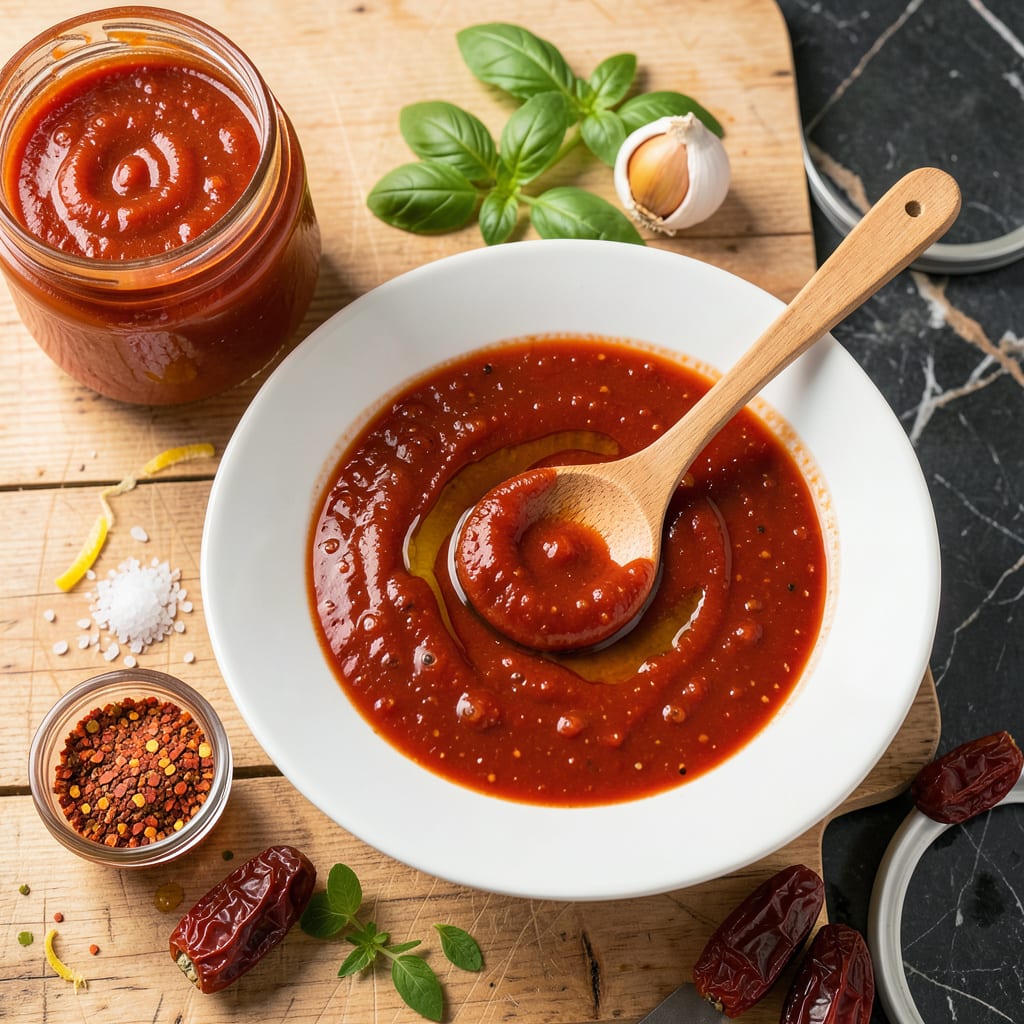
I’ll be real with you—turning pizza sauce into marinara is one of those kitchen hacks that feels like magic. That jar of pizza sauce sitting in your pantry? It’s about to become a rich, herb-infused pasta sauce that’ll make you question why you ever bought marinara in the first place. No fancy ingredients, no complicated steps—just a few smart tweaks to transform what you already have.
The secret lies in balancing the flavors. Pizza sauce is typically thicker, sweeter, and more concentrated than marinara, so we’re going to thin it out, mellow the sweetness, and layer in some fresh herbs. A splash of red wine or broth, a pinch of red pepper flakes, and some slow simmering time work wonders. I’ve been doing this for years when I’m short on time but still want that deep, complex tomato flavor.
What you end up with is a versatile marinara that’s bright, herby, and perfectly balanced—ready for pasta, meatballs, or even as a dipping sauce. The best part? It takes less than 20 minutes and uses ingredients you probably already have. No more last-minute store runs when you’re craving Italian.
This method works with any pizza sauce, whether it’s homemade or store-bought. Once you try it, you’ll never look at that jar the same way again. Let’s get that sauce simmering.
📚 In This Guide
- What You’ll Need
- Instructions
- Tips and Common Mistakes
What Youll Need
- ● Pizza sauce – 2 cups (16 oz) of your favorite store-bought or homemade smooth pizza sauce (avoid chunky varieties for best results).
- ● Olive oil – 2 tbsp extra-virgin for richness and depth.
- ● Garlic – 3 cloves, minced (or 1 tsp garlic powder in a pinch).
- ● Dried oregano – 1 tsp (or 1 tbsp fresh if you’ve got it!).
- ● Dried basil – 1 tsp (or 2 tbsp fresh chopped for brighter flavor).
- ● Red pepper flakes – ¼ tsp (adjust for heat preference).
- ● Salt & black pepper – to taste (start with ½ tsp salt and ¼ tsp pepper).
- ○ Sugar or honey – ½ tsp (optional, to balance acidity).
- ○ Red wine or balsamic vinegar – 1 tbsp (optional, for complexity).
- ○ Fresh parsley or basil – 2 tbsp chopped (optional, for garnish).
- ● Medium saucepan (2-3 quart capacity).
- ● Wooden spoon or silicone spatula.
- ● Measuring cups and spoons.
- ● Knife & cutting board (for fresh herbs/garlic).
- ○ Blender or immersion blender (optional, for ultra-smooth texture).
- ● Air-tight container (for storing leftovers).
Instructions
Here’s how to transform your pizza sauce into a rich, flavorful marinara that will elevate any pasta dish.
Select and Prepare Your Pizza Sauce
Start by choosing a high-quality pizza sauce as your base. I recommend using about 3 cups of sauce for this recipe, which will yield enough marinara for 4 servings. Look for a sauce with simple ingredients—tomatoes, garlic, and herbs are ideal. Avoid overly sweet or heavily seasoned varieties, as they’ll be harder to balance.
Pour the pizza sauce into a medium saucepan. I like to use a heavy-bottomed pan for even heat distribution, which prevents scorching. At this stage, give it a quick taste to assess the baseline flavor. You’ll notice it’s likely thicker and more concentrated than marinara, which is exactly what we want to adjust.
Thin and Smooth the Sauce
Add ½ cup of water or low-sodium chicken broth to the saucepan. This helps achieve the looser consistency that’s characteristic of marinara. If you prefer a completely vegetarian version, water works perfectly fine. Stir well to combine, breaking up any chunks with the back of your spoon.
For an extra-smooth texture, you can use an immersion blender right in the pot for about 20 seconds. If you don’t have one, a regular blender works too—just be sure to let the sauce cool slightly first and vent the lid to prevent pressure buildup. The goal is a velvety texture without any tomato skin pieces.
Build Flavor with Aromatics and Herbs
Heat the sauce over medium-low heat until it begins to simmer gently. Add 2 cloves of minced garlic and 1 tablespoon of olive oil. The oil helps carry the fat-soluble flavors and adds a silky mouthfeel to the finished sauce.
Stir in 1 teaspoon of dried oregano, ½ teaspoon of dried basil, and ¼ teaspoon of red pepper flakes for warmth. Fresh herbs work too—use about 3 times the amount if substituting. Let everything simmer together for 10-12 minutes, stirring occasionally. You’ll know it’s ready when the garlic mellows and the herbs become fragrant.
Balance and Reduce the Sauce
Taste the sauce and adjust the seasoning. I typically add ½ teaspoon of salt and ¼ teaspoon of black pepper, but this depends on your pizza sauce’s starting point. If it tastes flat, a pinch of sugar can help balance acidity, while a splash of red wine vinegar brightens overly sweet sauces.
Reduce the heat to low and let the sauce simmer uncovered for another 15-20 minutes. This gentle reduction concentrates the flavors while maintaining that perfect marinara consistency. Stir occasionally to prevent sticking, and watch for the sauce to thicken slightly—it should coat the back of a spoon but still pour easily.
Finish and Serve
Remove the sauce from heat and stir in 2 tablespoons of butter until fully melted. This final touch adds incredible richness and helps the sauce cling beautifully to pasta. For a brighter finish, add ¼ cup of freshly chopped basil or parsley at the very end.
Your marinara is now ready to use! I love tossing it with al dente pasta, but it’s equally delicious as a dipping sauce for garlic bread or as a base for dishes like chicken parmesan. The sauce will keep in the refrigerator for up to 5 days or can be frozen for 3 months—though I doubt it’ll last that long once you taste how good it is!
Tips and Common Mistakes
Transforming pizza sauce into marinara is simpler than you might think—these key insights will help you avoid common pitfalls and achieve restaurant-quality results.
Heat Control: When simmering the sauce in Step 3, maintaining that medium-low heat is crucial. Too high and you risk scorching the garlic; too low and the herbs won’t release their full flavor. I find that gentle bubbles around the edges of the pan indicate the perfect temperature—just enough movement to blend flavors without aggressive boiling.
Texture Secret: The 10-12 minutes simmering time in Step 3 isn’t just about cooking—it’s about flavor development. This is when the garlic transforms from sharp to mellow and the dried herbs rehydrate and infuse the sauce. Don’t rush this step; you’ll notice the aroma changes dramatically as the flavors meld together.
Reduction Technique: During the final 15-20 minutes of simmering in Step 4, watch for visual cues rather than just timing. The sauce should reduce enough to coat the back of a spoon but still flow easily. If it thickens too quickly, add a splash of water and reduce the heat slightly. This balance ensures your marinara clings to pasta without being gluey.
Finishing Touch: The 2 tablespoons of butter in Step 5 might seem small, but it makes a world of difference. Stir it in off the heat to prevent separation, and watch as it transforms the sauce from good to luxurious. This technique, called “monter au beurre” in French cooking, adds incredible richness and helps the sauce adhere beautifully to pasta.
Pro Tips for Turn Pizza Sauce Into Marinara
- Transforming pizza sauce into marinara is simpler than you might think—these key insights will help you avoid common …
- Heat Control: When simmering the sauce in Step 3, maintaining that medium-low heat is crucial. Too high and you risk …
- Texture Secret: The 10-12 minutes simmering time in Step 3 isn’t just about cooking—it’s about flavor development. Th…
Frequently Asked Questions
Can I use store-bought pizza sauce to make marinara?
Store-bought pizza sauce works perfectly—just simmer it with garlic, olive oil, and herbs (like basil or oregano) for 10–15 minutes. Add a splash of red wine or balsamic vinegar for depth. Avoid pre-seasoned sauces with strong flavors like fennel or smoked paprika.
How long does it take to turn pizza sauce into marinara?
About 15–20 minutes total! Sauté aromatics (garlic, onion) for 3–5 minutes, then simmer the sauce with herbs and liquid (broth, wine, or water) for 10–15 minutes. Let it reduce slightly for a thicker consistency—stir occasionally to prevent burning.
What’s the best substitute if I don’t have fresh herbs?
Dried herbs work in a pinch! Use 1/3 the amount of dried basil, oregano, or thyme (e.g., 1 tsp dried = 1 tbsp fresh). Add them early to rehydrate. For brightness, finish with a pinch of red pepper flakes or a squeeze of lemon juice.
Why does my marinara taste too sweet or bland?
Pizza sauce often has added sugar. Balance sweetness with 1–2 tbsp tomato paste, a pinch of salt, or a dash of acidic ingredients like lemon juice or vinegar. For blandness, boost umami with grated Parmesan, anchovy paste, or a splash of Worcestershire sauce.
Can I make marinara ahead and freeze it?
Yes! Cool completely, then freeze in airtight containers for up to 3 months. Thaw in the fridge overnight and reheat gently on the stove. For best texture, avoid freezing sauces with added dairy (like cream) or fresh herbs (add those fresh when reheating).
With just a few tweaks, you’ve unlocked a flavor-packed marinara from that humble jar of pizza sauce! 🎉 Whether you’re tossing it with pasta, dipping crusty bread, or layering it in lasagna, this hack saves time and delivers restaurant-worthy depth. Next time you’re in a pinch, grab that pizza sauce and experiment—add a splash of wine, fresh herbs, or even a pinch of red pepper flakes for extra boldness.
Ready to take it further? Try simmering your upgraded marinara with meatballs or roasted veggies for a hearty meal. Happy saucing! 🍝

Trained in classic French technique but raised on slow-cooked ribs and spicy rubs, she blends culinary skill with smoke and soul.
- Recipe for Boneless Pork Chops in Cast Iron Skillet: Sear and Baste to Juicy Perfection - October 3, 2026
- Recipe for Boneless Cross Rib Roast: Slow-Roasted Beef with Herb Crust - October 3, 2026
- Hamburgers in Sauce Recipe Crock Pot: Slow-Cooked Savory Delight - October 3, 2026