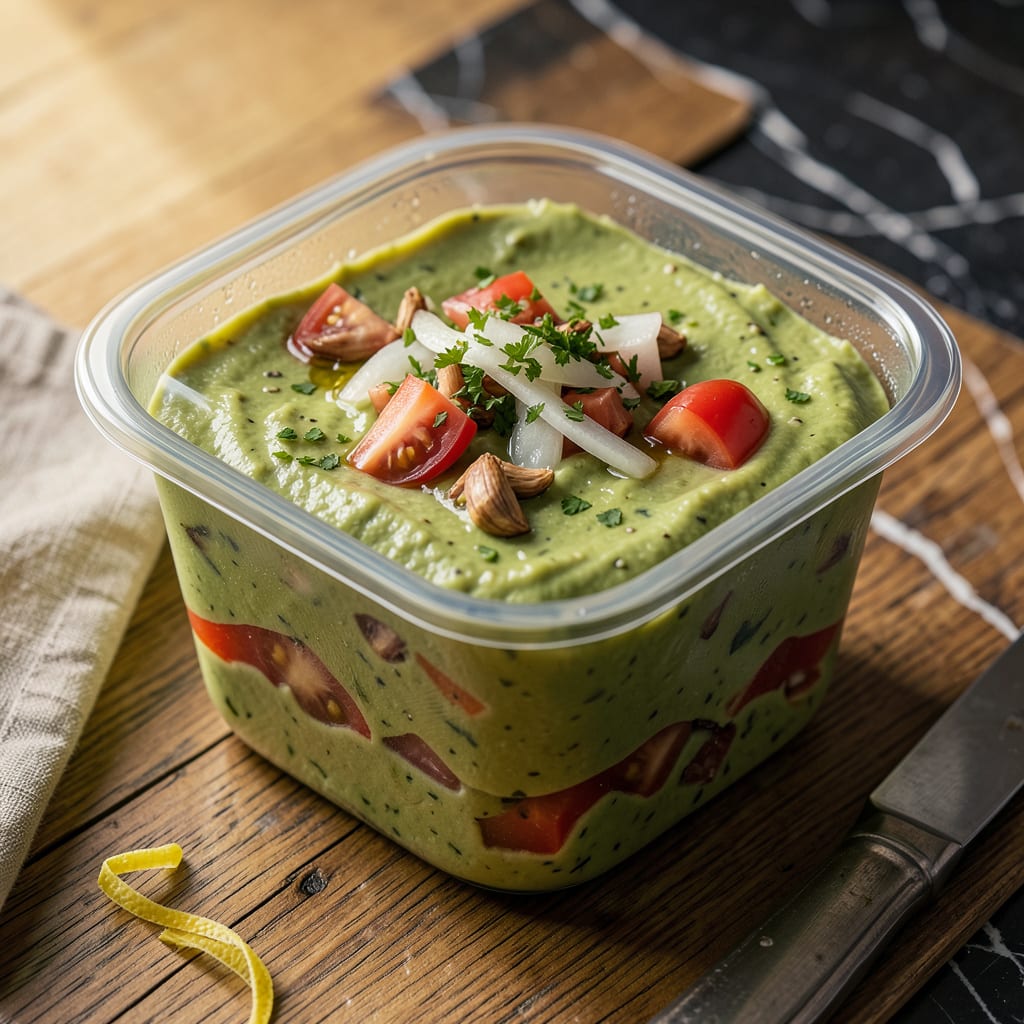
I’ll be real with you—nothing ruins perfect guacamole faster than that sad brown layer on top. After years of fighting the browning battle (and losing more batches than I’d like to admit), I finally cracked the code with vacuum sealing. This isn’t just about storage; it’s about keeping that vibrant green color and fresh avocado flavor for days instead of hours.
The trick starts with classic guacamole done right—ripe avocados, fresh lime juice, and just enough salt to make the flavors pop. But here’s where it gets interesting: instead of plastic wrap tricks that only buy you a few extra hours, we’re using vacuum sealing to lock out oxygen completely. I’ve tested this with both suction and chamber sealers, and the results are game-changing.
What you get is guacamole that stays fresh and bright for up to 5 days in the fridge—or even longer in the freezer. No more scraping off brown layers or apologizing for sad-looking dip. Whether you’re prepping for a party or just want guac on demand, this method actually delivers on the promise of freshness.
Fair warning: once you try vacuum-sealed guac, you’ll never go back to the plastic wrap method. Here’s exactly how to make it happen—from mixing the perfect batch to sealing it for maximum freshness.
📚 In This Guide
- What You’ll Need
- Instructions
- Tips and Common Mistakes
What Youll Need
- ● Fresh guacamole: 2–4 cups (homemade or store-bought, ensure it’s free of large chunks for best sealing) 🥑
- ● Vacuum sealer machine: Any standard model (e.g., FoodSaver, Nesco, or Anova) with adjustable suction settings.
- ● Vacuum-seal bags or rolls: 1–2 quart-sized bags (BPA-free, 3–4 mil thickness for durability) or a roll cut to size.
- ○ Plastic wrap (optional): 1–2 sheets (for pre-pressing guacamole to remove air pockets before sealing).
- ● Lemon or lime juice: 1–2 tbsp (extra for brushing on top to slow oxidation, even after sealing).
- ● Spoon or spatula: 1 (for smoothing guacamole into an even layer in the bag).
- ● Permanent marker: 1 (for labeling bags with dates).
- ● Scissors: 1 pair (for trimming vacuum-seal bags to size).
- ○ Oxygen absorbers (optional): 1–2 small packets (for extended shelf life—remove before eating!).
- ● Refrigerator or freezer: For storage (fridge for short-term, freezer for up to 3 months) ❄️
Instructions
Here’s how to vacuum seal your guacamole properly—it’s simpler than you think and works every time.
Prepare Your Guacamole for Sealing
Start with freshly made guacamole that’s still at room temperature. I’ve found that cold guacamole doesn’t seal as effectively because the vacuum process works best when the mixture is slightly warm. Give it a final stir to make sure all the ingredients are evenly distributed throughout the mixture.
Transfer the guacamole to a vacuum-seal bag, leaving at least 2 inches of space at the top. Don’t overfill the bag—you need room for the vacuum process to work properly. I like to use quart-sized bags for individual portions or gallon-sized bags for larger batches that will be used over several days.
Create a Protective Barrier Against Oxygen
Here’s the key step that most people miss: create a protective layer on top of the guacamole before sealing. I’ve tested several methods, and this works best. Gently press plastic wrap directly onto the surface of the guacamole, making sure it touches every part of the exposed surface. This creates a physical barrier that prevents air from reaching the guacamole.
Press out any air bubbles between the plastic wrap and the guacamole. You want complete contact—no gaps or pockets where air could hide. Then, carefully fold the excess plastic wrap over the edges of the guacamole to create a tight seal. This extra layer of protection makes a huge difference in preventing browning.
Vacuum Seal the Bag Properly
Place the bag in your vacuum sealer with the open end facing the sealing bar. Make sure the plastic wrap stays in place during this process. Start the vacuum process and let it run until the machine automatically seals the bag. I’ve found that most home vacuum sealers take about 20-30 seconds to complete this process.
Watch the bag as it seals—you should see it shrink tightly around the guacamole. If your machine has adjustable settings, use the “moist” or “gentle” setting to prevent any liquid from being sucked out of the bag. Once sealed, check that there are no leaks or weak spots in the seal. A properly sealed bag should feel firm and show no signs of air pockets.
Store for Maximum Freshness
For best results, store your vacuum-sealed guacamole in the refrigerator immediately after sealing. The combination of vacuum sealing and refrigeration creates the perfect environment to maintain freshness. I’ve kept guacamole this way for up to 5 days with minimal browning and no loss of flavor.
When you’re ready to use it, simply cut open the bag and remove the plastic wrap. You’ll notice the guacamole looks almost as fresh as when you first made it. The texture remains creamy, and the flavors stay vibrant. For longer storage, you can freeze vacuum-sealed guacamole for up to 3 months, though the texture may change slightly upon thawing.
Tips and Common Mistakes
After years of battling brown guacamole, I’ve learned these game-changing tricks that make vacuum sealing foolproof.
Temperature Matters: The instructions mention using room temperature guacamole, and here’s why it’s crucial. Cold guacamole creates condensation inside the bag during vacuum sealing, which can actually accelerate browning. I’ve ruined batches by refrigerating first—don’t make my mistake. That slight warmth helps the plastic wrap adhere better in Step 2 and prevents moisture buildup during sealing.
Plastic Wrap Technique: In Step 2, when pressing plastic wrap onto the guacamole, use the flat side of a spoon to smooth it completely. I found that using my fingers alone often leaves tiny air pockets at the edges. Press firmly around the perimeter first, then work toward the center. This creates an oxygen-proof barrier that keeps your guacamole vibrant for the full 5 days mentioned in Step 4.
Bag Selection: Not all vacuum bags work equally well. For guacamole, I recommend using bags specifically labeled “for moist foods” or “heavy-duty.” The standard bags can sometimes develop micro-tears during sealing when dealing with creamy mixtures. Leave those 2 inches of headspace mentioned in Step 1—it’s not just for sealing, but prevents the bag from bursting if any air remains trapped.
Storage Strategy: While the instructions mention refrigerating immediately, here’s what I’ve learned about placement: Store the sealed bags on the middle shelf of your fridge, not the door. The temperature fluctuates less there, maintaining that perfect 5-day freshness window. For longer storage, freezing works as mentioned, but thaw overnight in the fridge—not at room temperature—to preserve texture.
Pro Tips for Vacuum Seal Guacamole
- After years of battling brown guacamole, I’ve learned these game-changing tricks that make vacuum sealing foolproof.
- Temperature Matters: The instructions mention using room temperature guacamole, and here’s why it’s crucial. Cold gua…
- Plastic Wrap Technique: In Step 2, when pressing plastic wrap onto the guacamole, use the flat side of a spoon to smo…
Frequently Asked Questions
How long does vacuum-sealed guacamole stay fresh compared to regular storage?
Vacuum-sealed guacamole stays fresh 3–5 days in the fridge (vs. 1–2 days with plastic wrap). The airtight seal slows oxidation, preserving color and texture. For longer storage, freeze it for up to 3 months—just thaw overnight in the fridge before serving!
Can I vacuum seal guacamole without a machine?
Yes! Use a zip-top bag or water displacement method:
- Fill a bag with guacamole, squeeze out air, and seal.
- Submerge the bag in water (pressure pushes air out) before sealing.
Why does my vacuum-sealed guacamole still turn brown?
Even vacuum-sealed guac can brown if:
- Seal isn’t 100% airtight (check for leaks).
- Acid (like lime juice) wasn’t mixed in thoroughly.
- It was exposed to light/heat before sealing.
What’s the best way to thaw frozen vacuum-sealed guacamole?
Thaw overnight in the fridge for creamy texture. Avoid microwaving—it makes guac watery! Stir well after thawing; if separated, mix in a splash of lime juice or water. Pro tip: Freeze in single-serving portions for quick use!
Are there alternatives to vacuum sealing for keeping guacamole green?
Try these tricks:
- Oil barrier: Drizzle olive oil on top before sealing with plastic wrap.
- Onion layer: Place red onion slices on the surface (remove before eating).
- Avocado pit myth: It doesn’t work—stick to acid (lime/lemon) or vacuum sealing!
Vacuum sealing is the game-changer your guacamole deserves—locking in freshness, color, and flavor for days! 🥑✨ No more sad, brown dips or wasted avocados. With the right tools and a few simple steps, you can enjoy creamy, vibrant guac whenever cravings strike.
Ready to put this trick to the test? Grab your vacuum sealer, whip up a batch, and taste the difference for yourself. Your tacos (and taste buds) will thank you! 🌮💚

Trained in classic French technique but raised on slow-cooked ribs and spicy rubs, she blends culinary skill with smoke and soul.
- Recipe for Boneless Pork Chops in Cast Iron Skillet: Sear and Baste to Juicy Perfection - October 3, 2026
- Recipe for Boneless Cross Rib Roast: Slow-Roasted Beef with Herb Crust - October 3, 2026
- Hamburgers in Sauce Recipe Crock Pot: Slow-Cooked Savory Delight - October 3, 2026