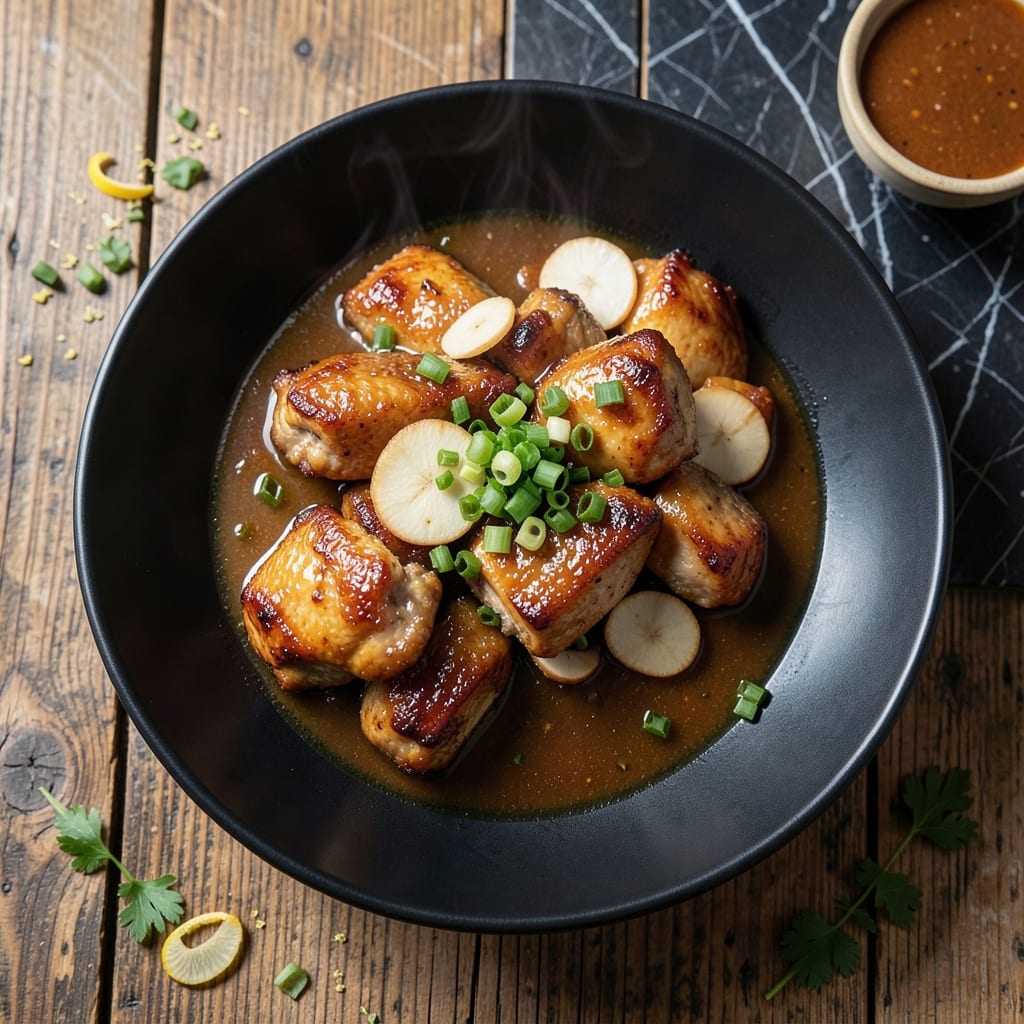
This Japanese-inspired dish combines sweet and savory flavors in a way that’s become a staple in my kitchen. The veri veri technique creates a glossy, caramelized glaze that clings perfectly to each piece of chicken.
I learned the importance of proper marinating time during my years in Charleston—30 minutes minimum for the flavors to penetrate deeply. The sauce reduces to a thick, sticky consistency that coats the chicken beautifully.
The result is tender, juicy chicken with a shiny, sweet-savory finish that pairs well with rice or steamed vegetables. This method works for both quick weeknight dinners and impressive meals for guests.
Serve it with steamed jasmine rice and a side of stir-fried vegetables for a complete meal. The balance of flavors makes this dish a crowd-pleaser every time.
Ingredients for Veri Veri Teriyaki Chicken
Sweet, savory, and glossy—this dish starts with pantry staples and a few key Japanese ingredients.
| Ingredient | Amount | Notes |
|---|---|---|
| Boneless Skinless Chicken Thighs 🍗 | 1 ½ lb | Cut into bite-sized pieces |
| Soy Sauce 🫒 | ½ cup | Low-sodium preferred for balance |
| Sake 🍶 | ¼ cup | Dry variety for cooking |
| Mirin 🍷 | ¼ cup | Sweet rice wine essential |
| Granulated Sugar 🍚 | 3 tbsp | Adjust to taste preference |
| Fresh Ginger 🌿 | 1 tbsp | Finely grated for sauce |
| Garlic Cloves 🧄 | 3 cloves | Minced for depth of flavor |
| Cornstarch 🌾 | 1 ½ tbsp | For thickening the glaze |
| Neutral Oil 🛢️ | 2 tbsp | Vegetable or canola oil |
| Jasmine Rice 🍚 | 1 ½ cups | Uncooked, for serving |
| Green Onions 🧅 | 3 whole | Thinly sliced for garnish |
| Sesame Seeds 🌰 | 1 tbsp | Toasted for garnish |
| Water 💧 | ¼ cup | For cornstarch slurry |
[recipe_ingredient_scaler]
The chicken is everything here. Boneless, skinless thighs stay juicier than breasts during the long cook. I grab mine from Whole Foods or Trader Joe’s—look for even sizing so everything cooks at the same rate. The soy sauce should be Japanese-style (like Kikkoman), not Chinese black soy. Mirin and sake are non-negotiable for that authentic flavor (hit up an Asian market if your grocery store doesn’t carry them).
No sake? Dry white wine works in a pinch, but add a pinch of sugar to compensate. Mirin can be faked with 1 tbsp sugar + 1 tbsp water per 2 tbsp mirin. Out of fresh ginger? Ground ginger at one-quarter the amount (but fresh is way better). If you’re gluten-free, swap regular soy sauce for tamari. The cornstarch slurry is what gives you that glossy finish—don’t skip it.
The glaze thickens as it cools, so serve this right away for that perfect drizzle. Leftovers keep 3-4 days in the fridge (the chicken soaks up the sauce beautifully). Reheat gently on the stove with a splash of water. Freezes well for up to 3 months if you’re meal prepping (the texture changes slightly but the flavor holds).
Why You’ll Love This Recipe
- One Pan Wonder: I just toss the chicken thighs in the soy-sake-mirin mix, let it simmer, and boom—dinner’s done with barely any cleanup.
- Sticky Sweet Glaze: That glossy coating from the sugar and mirin? It caramelizes into this ridiculously good, finger-licking finish.
- Meal Prep Hero: I make a double batch on Sunday and it reheats like a dream—tastes just as good in bento boxes or over rice the next day.
- Budget Stretcher: Boneless thighs are cheap, and a little sake and mirin go a long way for big flavor without breaking the bank.
Step-by-Step Instructions for Veri Veri Teriyaki Chicken
This method delivers that perfect glossy glaze and tender chicken every single time.
Step 1: Prepare the Chicken and Start the Rice
Cut the 1.5 lb boneless skinless chicken thighs into bite-sized pieces. I like to trim any excess fat first for cleaner bites, but leave some for flavor. Pat the pieces dry with paper towels—this helps them sear properly instead of steaming in the pan.
While the chicken sits, start cooking the 1.5 cups jasmine rice according to package instructions. Teriyaki chicken needs fluffy rice to soak up that incredible sauce, and getting the rice going early means everything finishes together.
Step 2: Create the Teriyaki Glaze Base
In a bowl, combine the 0.5 cup soy sauce, 0.25 cup sake, 0.25 cup mirin, and 3 tbsp granulated sugar. Stir until the sugar dissolves completely. I always use low-sodium soy sauce here—it lets the other flavors shine without overwhelming saltiness.
Add the 1 tbsp fresh ginger (finely grated) and 3 cloves garlic cloves (minced) to the sauce. These aromatics are essential—they build that deep, complex flavor that makes veri veri teriyaki special. Let this mixture sit while you cook the chicken.
Step 3: Cook the Chicken and Build the Sauce
Heat 2 tbsp neutral oil in a large skillet over medium-high heat. When the oil shimmers, add the chicken in a single layer. Don’t crowd the pan—work in batches if needed. Cook for 4-5 minutes until the pieces develop a light golden crust.
Flip the chicken and cook for another 3-4 minutes until fully cooked through. The pieces should be browned in spots but not burnt. Transfer the chicken to a plate and set aside.
Pour the sauce mixture into the same skillet and bring to a simmer. Scrape up all those delicious browned bits from the chicken—they’re packed with flavor. Let it simmer for 2-3 minutes to meld the flavors.
Step 4: Thicken the Glaze and Finish
In a small bowl, whisk together the 1.5 tbsp cornstarch and 0.25 cup water until smooth. Slowly pour this slurry into the simmering sauce while whisking constantly. The mixture will thicken almost immediately into a glossy glaze that coats the back of a spoon.
Return the chicken to the skillet and toss to coat evenly in the thickened sauce. Cook for another 1-2 minutes until everything is heated through and the chicken is lacquered in that beautiful, sticky glaze. You’ll know it’s ready when the sauce clings to the chicken and leaves a shiny trail when you drag a piece through it.
Step 5: Garnish and Serve
Transfer the teriyaki chicken to a serving platter over the cooked jasmine rice. Drizzle any remaining sauce from the pan over the top. Sprinkle with the 3 whole green onions (thinly sliced) and 1 tbsp sesame seeds for that classic finish.
Serve immediately while hot—the glaze will thicken slightly as it cools, but it should still be glossy and pourable. The contrast of tender chicken, sticky-sweet sauce, and fluffy rice with the fresh crunch of green onions and nutty sesame is what makes this dish unforgettable.
Pro Tips For Making Veri Veri Teriyaki Chicken
- Sear First, Glaze Later: I learned this the hard way—browning the chicken thighs well in a hot pan before adding the teriyaki sauce prevents steaming and gives you that sticky, caramelized crust.
- Trim the Fat: Sounds tedious, but trimming excess fat off the thighs keeps the sauce from getting greasy and helps it cling better to the meat.
- Reduce the Sauce: After removing the chicken, simmer the soy, sake, mirin, and sugar mixture for 3-4 minutes until it thickens slightly—this keeps it from being watery and sad.
- Slice Against Grain: Even with boneless thighs, slicing against the grain makes each bite tender instead of chewy. I was skeptical until I tried it.
Wine and Beer Pairings for This veri veri teriyaki chicken
Japanese Beer Pairings
I love serving this with a crisp Sapporo Premium Beer—its clean, slightly bitter finish cuts through the sweetness perfectly. The light body won’t overpower the delicate teriyaki flavors. Asahi Super Dry offers a similar refreshing contrast with its dry finish. 🍺
White Wine Options
For wine lovers, try a chilled Riesling from Germany or Washington State. The subtle sweetness complements the dish’s caramelized glaze beautifully. I particularly enjoy Chateau Ste. Michelle Riesling—its citrus notes balance the richness. 🍷
Sake Selections
You can’t go wrong with a dry junmai sake like Tyku Junmai. Its clean, crisp profile enhances the umami without competing. Serve it slightly chilled in small ochoko cups for an authentic experience.
Red Wine Alternative
If you prefer red, opt for a light-bodied Pinot Noir from Oregon. The Willamette Valley versions have bright acidity that works surprisingly well. Avoid heavy tannic reds—they’ll clash with the sweet-savory sauce.
Non-Alcoholic Choices
For non-drinkers, try green tea (hot or iced) to echo the Japanese flavors. A ginger beer like Bundaberg adds a spicy kick that pairs nicely with the ginger in the glaze. 💡
Sparkling Option
Prosecco’s light bubbles and subtle sweetness make it an excellent choice. The Italian sparkling wine cleanses your palate between each flavorful bite of this dish.
Nutrition Facts
Frequently Asked Questions
What’s the best cut for this dish?
Use boneless, skinless chicken thighs for juiciest results. They stay tender during cooking and absorb the glaze better than breasts, which can dry out.
Can I make this gluten-free?
Yes! Swap regular soy sauce for tamari and ensure all other ingredients are certified gluten-free. The cornstarch slurry remains the same.
Why is my glaze not thickening?
Simmer the sauce 2-3 minutes after adding the slurry. If still thin, mix 1 tsp cornstarch + 1 tsp water and stir in.
How long can I marinate the chicken?
For best texture, marinate 30 minutes to 2 hours. Longer than 4 hours can make the meat mushy due to the acids in the sauce.

Trained in classic French technique but raised on slow-cooked ribs and spicy rubs, she blends culinary skill with smoke and soul.
- Recipe for Boneless Pork Chops in Cast Iron Skillet: Sear and Baste to Juicy Perfection - October 3, 2026
- Recipe for Boneless Cross Rib Roast: Slow-Roasted Beef with Herb Crust - October 3, 2026
- Hamburgers in Sauce Recipe Crock Pot: Slow-Cooked Savory Delight - October 3, 2026