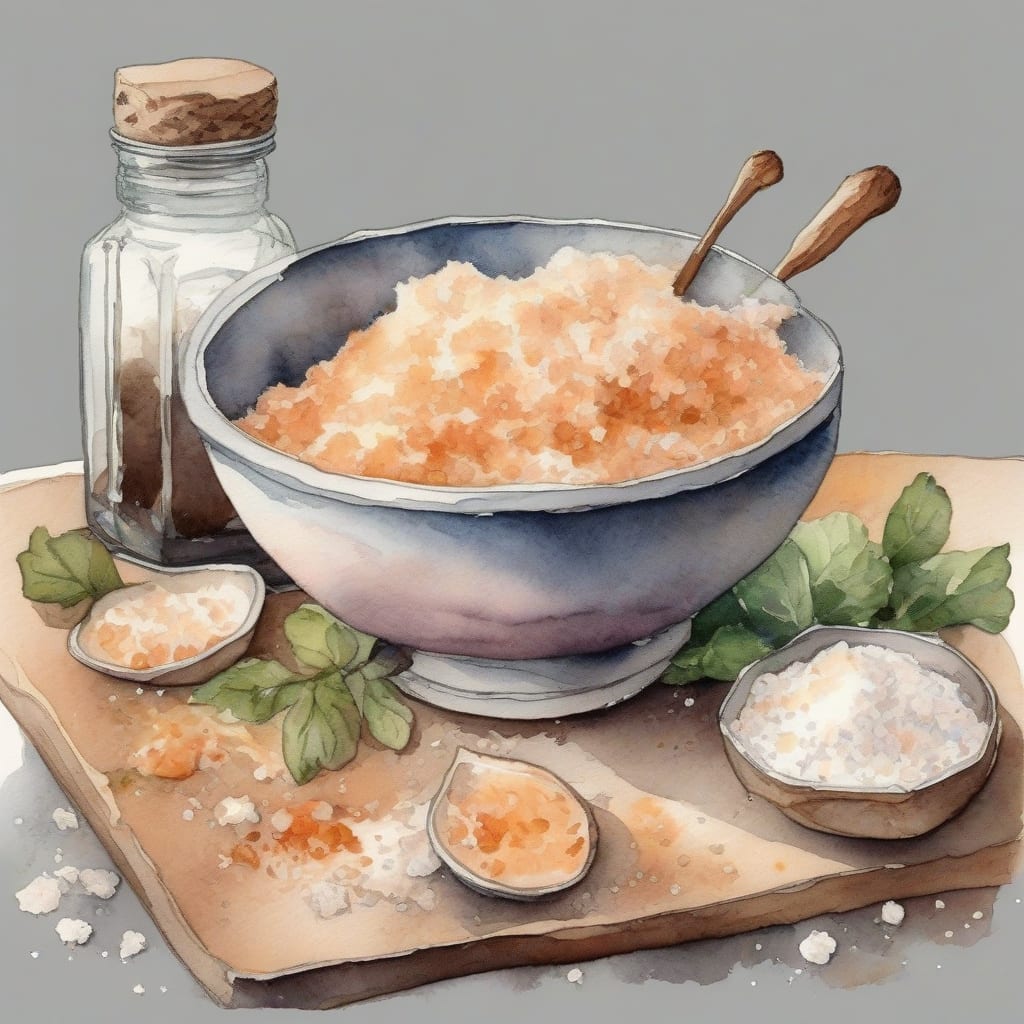
I’ve recreated an authentic Viking salt recipe that captures the essence of ancient Nordic flavors. This traditional spice blend combines earthy herbs and spices with flaky salt to create a versatile seasoning mix that’s perfect for adding depth to various dishes.
The beauty of this Viking salt lies in its simplicity and flexibility. You can customize it to your taste by adjusting the proportions of the ingredients. The blend typically includes ingredients like sea salt, dried herbs, and spices, which are readily available in most kitchens.
To make this Viking salt, you’ll need to combine the ingredients in the right proportions. I’ll guide you through the process, and by the end, you’ll have a fragrant and flavorful spice blend ready to be stored in an airtight container. This mix will keep for several months, allowing you to add a touch of Viking flair to your cooking whenever you want.
Let’s get started with the recipe!
Ingredients for viking salt
Here’s what you need to create this authentic Viking salt seasoning mix at home.
| Ingredient | Amount | Notes |
|---|---|---|
| Sea Salt 🧂 | 2 cups | Flaky or kosher salt preferred |
| Dried Thyme 🌿 | 2 tbsp | Or substitute dried rosemary |
| Dried Parsley 🌿 | 1 tbsp | Fresh parsley works too |
| Garlic Powder 🧄 | 1 tbsp | Not garlic salt |
| Onion Powder 🧅 | 1 tbsp | Or dried onion flakes |
| Black Pepper 🌶️ | 1 tsp | Freshly ground preferred |
| Dried Juniper Berries 🌿 | 1 tsp | Crushed or ground |
[recipe_ingredient_scaler]
You can find these ingredients at most grocery stores or spice shops. For the best quality sea salt, try a reputable brand like Maldon or Jacobsen. Look for dried herbs that are vibrant in color and fragrant—avoid any that are brown or stale. Specialty spice stores or online retailers like Penzeys are great sources for unique ingredients like juniper berries.
Feel free to customize this blend to your taste. If you can't find juniper berries, omit them or substitute with a bit of allspice. For a different flavor profile, try adding a teaspoon of smoked paprika or dried bay leaves. You can also adjust the proportions to suit your preferences—some people prefer a stronger thyme flavor while others like more garlic.
Store your Viking salt in an airtight glass jar in a cool, dark place. It will keep for up to 6 months, though it's best used within 3 months for optimal flavor. Make a double batch to share with friends or keep some on hand for future meals. You can also portion it into smaller jars or spice tins for gift-giving.
Step-by-Step Instructions for Viking Salt Recipe
Let’s create this authentic Viking salt blend together, following traditional methods.
🔄 Step 1: Mix the Salt and Herbs
In a medium-sized bowl, combine the 2 cups Sea Salt, 2 tbsp Dried Thyme, 1 tbsp Dried Parsley, 1 tbsp Garlic Powder, and 1 tbsp Onion Powder. I like to use a fork to mix these ingredients gently, ensuring even distribution of the herbs and spices throughout the salt.
As you mix, you’ll notice the aroma of the thyme and parsley melding with the other ingredients. Make sure to break up any clumps of herbs or spices to ensure a consistent flavor.
💡 Step 2: Add the Remaining Ingredients
Add the 1 tsp Black Pepper and 1 tsp Dried Juniper Berries to the bowl. I prefer to grind the juniper berries in a spice grinder or mortar and pestle before adding them to release their full flavor and aroma.
Mix everything together thoroughly, ensuring that all the ingredients are evenly distributed throughout the salt mixture. You should start to notice the Viking salt taking on a rustic, earthy aroma.
📦 Step 3: Store Your Viking Salt
Transfer the Viking salt mixture to an airtight container, such as a glass jar with a tight-fitting lid. I like to use decorative jars that can be stored in the kitchen for easy access.
Store the salt in a cool, dry place away from direct sunlight. The salt will keep for several months when stored properly, and its flavor will meld together over time.
The Viking salt recipe is a treasure trove of flavors, passed down through the ages. This ancient condiment was a staple in Norse cuisine, used to add depth and umami flavor to a variety of dishes 🌿. The Vikings prized salt for its preservative qualities, using it to cure meats and fish for the long winter months. Let’s dive into the process of recreating this historical recipe.
🔥 Roasting the Sea Salt
The first step in making Viking salt is to roast sea salt in a hot oven. This process, known as “firing,” enhances the salt’s natural flavor and gives it a distinctive smokiness 🔩. Simply spread a layer of sea salt on a baking sheet and roast at 400°F (200°C) for about an hour, stirring occasionally.
🥗 Mixing with Herbs
Once the salt is roasted, it’s time to mix it with a blend of herbs and botanicals. Traditional Viking salt recipes often included ingredients like wild thyme, juniper berries, and rowan berries 🌸. You can experiment with different combinations to create your own unique flavor profile.
- Wild thyme: adds a subtle, slightly minty flavor
- Juniper berries: contribute a piney, slightly bitter taste
- Rowan berries: provide a tart, fruity flavor
Mix your chosen herbs with the roasted sea salt, and you’ll have a flavorful condiment that’s perfect for seasoning meats, stews, and soups 💡.
| Ingredient | Quantity |
|---|---|
| Sea Salt | 1 cup |
| Wild Thyme | 2 tbsp |
| Juniper Berries | 1 tbsp |
| Rowan Berries | 1 tbsp |
Feel free to adjust the quantities to suit your taste preferences. This Viking salt recipe is a great starting point for experimenting with new flavors and ingredients 🎯.
Tips & Tricks for Perfect Viking Salt
These simple tips will help you create an authentic Viking salt blend that captures the essence of ancient flavors.
Customizing Your Blend: Feel free to adjust the proportions of herbs and spices to suit your personal taste preferences. For a stronger thyme flavor, you can increase the dried thyme to 3 tbsp. If you prefer a less intense garlic flavor, reduce the garlic powder to 1/2 tbsp. 💡
Storage Tips: Store your Viking salt in an airtight container to preserve its flavor and aroma. I recommend using a glass jar with a tight-fitting lid, kept in a cool, dry place away from direct sunlight. This will help maintain the quality of the salt for several months.
Using Your Viking Salt: This salt blend is perfect for seasoning meats, vegetables, and soups. You can also use it as a finishing salt to add a burst of flavor to your dishes just before serving. Try sprinkling it over roasted meats or vegetables for added depth of flavor.
Nutrition Facts
12kcal
This Viking salt recipe is a powerhouse of flavor with minimal calories. The sea salt dominates the mix, providing a savory taste without adding significant macronutrients. You’ll enjoy the aromatic boost from thyme, parsley, and juniper berries without worrying about excessive calories.
The recipe is exceptionally high in sodium due to the sea salt content, making it a potent seasoning. You’ll get about 983% of your daily sodium value per serving, which is perfect for those looking to add salty flavor. The herbs and spices add depth without calories.
While this salt blend is high in sodium, it can be used sparingly to add flavor to dishes. You can enjoy the complex herbal notes while keeping your overall calorie count low. Use it to season meats, vegetables, or soups for that authentic Viking flavor.
[recipe_ingredient_scaler]

Trained in classic French technique but raised on slow-cooked ribs and spicy rubs, she blends culinary skill with smoke and soul.
- Recipe for Boneless Pork Chops in Cast Iron Skillet: Sear and Baste to Juicy Perfection - October 3, 2026
- Recipe for Boneless Cross Rib Roast: Slow-Roasted Beef with Herb Crust - October 3, 2026
- Hamburgers in Sauce Recipe Crock Pot: Slow-Cooked Savory Delight - October 3, 2026