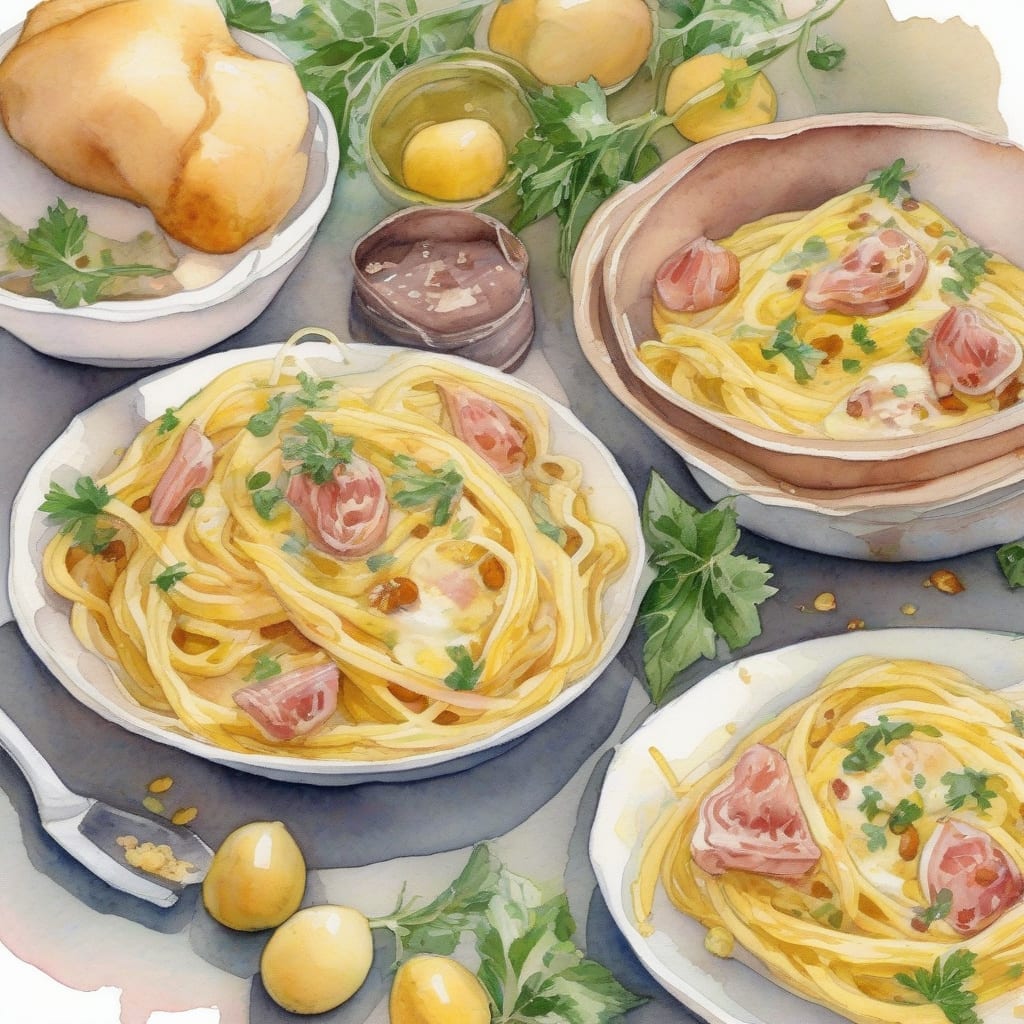
I’ve perfected Vincenzo’s carbonara recipe, capturing authentic Italian creaminess without heavy cream. This traditional Roman dish relies on eggs, parmesan, and guanciale for rich flavor. 🔥 The key is balancing temperatures and timing to create a silky sauce that coats pasta perfectly.
Using guanciale instead of bacon provides authentic depth, while farm-fresh eggs deliver the necessary creaminess. Parmigiano-Reggiano adds sharpness that balances the richness. I cook the pasta al dente, then toss it with the egg mixture and guanciale fat for maximum flavor.
What makes this carbonara authentic is the technique: cooking pasta until just al dente, then finishing it in the egg mixture. This method creates a creamy sauce without curdling the eggs. The result is tender spaghetti coated in a rich, velvety sauce with perfectly rendered guanciale.
Serve immediately, garnished with extra parmesan and black pepper. The combination of creamy eggs, savory guanciale, and sharp parmesan creates an unforgettable Italian experience. Let’s make this authentic carbonara!
Ingredients for vincenzo carbonara
These premium ingredients create Vincenzo’s authentic carbonara with perfect Italian creaminess every time.
| Ingredient | Amount | Notes |
|---|---|---|
| Spaghetti 🍝 | 12 oz | High-quality, Italian-made preferred |
| Guanciale 🥩 | 6 slices | Cured pork jowl, thinly sliced |
| Large Eggs 🥚 | 3 whole | Farm-fresh for best results |
| Parmigiano-Reggiano 🧀 | 1 cup | Freshly grated, aged minimum 24 months |
| Black Pepper 🌶️ | 1 tsp | Freshly ground, coarse texture |
| Kosher Salt 🧂 | 1 tsp | For pasta water, flaky preferred |
[recipe_ingredient_scaler]
For authentic guanciale, try Italian markets or specialty butchers. Parmigiano-Reggiano from the dairy counter ensures optimal flavor. Use farm-fresh eggs for superior richness. For pasta, choose De Cecco or similar high-quality brands known for consistent al dente texture. Look for guanciale with proper marbling for best flavor.
If guanciale is unavailable, pancetta makes a good substitute, though the flavor will be slightly different. For eggs, consider using farm-fresh or pasture-raised for richer flavor. You can replace some Parmigiano-Reggiano with Pecorino Romano for a sharper taste, but keep majority Parmigiano for authenticity. For black pepper, use a peppercorn mill for optimal freshness.
Store guanciale wrapped tightly in plastic wrap in the refrigerator for up to 2 weeks. Keep Parmigiano-Reggiano wrapped in parchment then foil in the fridge for up to 6 months. Use eggs within their freshness window for best results. Cook pasta just before serving as it doesn't store well after being dressed.
Step-by-Step Instructions for Vincenzo’s Carbonara
Let me guide you through the preparation of this authentic Italian dish, ensuring perfect creaminess every time.
🔥 Step 1: Prepare the Guanciale
Begin by thinly slicing the 6 slices of Guanciale into uniform strips. I prefer using a sharp knife to achieve precise cuts, which helps in rendering the fat evenly. Cook the guanciale in a large skillet over medium heat for 8-10 minutes, or until it becomes crispy and golden brown. The guanciale is ready when it releases its fat and turns into crispy bits. Remove from heat and set aside, leaving the rendered fat in the pan.
The guanciale should be cooked slowly to allow the fat to render out completely. This step is crucial as it provides the foundation for the sauce. Be patient and avoid rushing this process, as it directly impacts the overall flavor.
🍳 Step 2: Cook the Spaghetti
Bring a large pot of water to a rolling boil and add 1 tsp of Kosher Salt. The water should be salty like seawater. Once boiling, add the 12 oz of Spaghetti and cook until 1 minute shy of the package instructions for al dente. Reserve 1 cup of pasta water before draining the spaghetti. I always use a measuring cup to ensure I don’t forget this step.
Cooking the spaghetti al dente is essential for achieving the right texture. The pasta should still have a bit of bite, as it will continue to cook slightly when mixed with the hot guanciale fat. Reserve pasta water is crucial for adjusting the sauce’s consistency later.
🥘 Step 3: Combine Eggs, Parmigiano-Reggiano, and Black Pepper
In a medium bowl, whisk together 3 whole Large Eggs, 1 cup of Parmigiano-Reggiano, and 1 tsp of Black Pepper until well combined. The mixture should be smooth and creamy. I like to use farm-fresh eggs for the best flavor and texture. Ensure the Parmigiano-Reggiano is freshly grated for maximum flavor.
Whisking the egg mixture thoroughly is important to avoid any lumps in the final sauce. The quality of the eggs and Parmigiano-Reggiano directly affects the taste, so using high-quality ingredients is key.
🥘 Step 4: Assemble the Carbonara
Add the drained spaghetti to the skillet with the reserved guanciale fat. Toss to coat the pasta evenly, ensuring it’s well coated with the flavorful fat. Then, pour the egg and cheese mixture over the spaghetti and toss vigorously for 1-2 minutes until the sauce is creamy and coats the pasta. If the sauce seems too thick, add a bit of the reserved pasta water to achieve the desired consistency.
The key to a creamy carbonara is to temper the eggs by gradually mixing them with the hot pasta. This prevents the eggs from scrambling and creates a smooth, silky sauce. Toss continuously to distribute the heat evenly and achieve a uniform coating.
🍽️ Step 5: Serve Immediately
Divide the carbonara among plates and top with the crispy guanciale pieces. Additional freshly grated Parmigiano-Reggiano and a grind of black pepper can be added to taste. Serve immediately while the pasta is still creamy and the guanciale is crispy.
Serving the carbonara right away is crucial, as the sauce will continue to thicken as it cools. The contrast between the creamy pasta and crispy guanciale provides a delightful texture and flavor experience. Enjoy your authentic Vincenzo’s Carbonara!
When it comes to making a traditional Italian carbonara, Vincenzo’s recipe stands out from the rest. This authentic dish is all about simplicity, using just a few high-quality ingredients to create a rich and creamy sauce. The key is to use guanciale or pancetta, which provides a deep, savory flavor that can’t be replicated with regular bacon 🐖.
Cooking the Pasta 🔥
Start by boiling your spaghetti in a large pot of salted water until it’s al dente. Reserve 1 cup of pasta water before draining the spaghetti. This starchy water will help to create a smooth sauce later on.
Preparing the Guanciale 🍖
Meanwhile, slice the guanciale into thin strips and cook it in a large skillet over medium heat until crispy. Remove the guanciale from the skillet and set it aside on a paper towel-lined plate. Leave the rendered fat in the skillet, as this will be used to create the sauce.
- Use high-quality ingredients, such as guanciale and Parmigiano-Reggiano, for the best flavor.
- Don’t overcook the spaghetti – it should still have a bit of bite.
- Whisk the eggs and Parmesan together thoroughly to avoid scrambling the eggs when you add the hot pasta.
By following these simple steps and using the right ingredients, you’ll be able to create a delicious and authentic Vincenzo carbonara recipe that’s sure to become a favorite. The combination of creamy eggs, savory guanciale, and al dente spaghetti is a match made in heaven 😋.
Tips & Tricks for Perfect Vincenzo Carbonara
Mastering Vincenzo’s Carbonara requires attention to detail and a few expert techniques that elevate this dish to its authentic Italian best.
Guanciale Preparation: The key to perfect guanciale is cooking it slowly over medium heat for 8-10 minutes. This allows the fat to render completely, creating that irresistible crispy texture. I always keep the heat moderate to prevent burning while achieving maximum crispiness.
Egg Tempering: Tempering the eggs is crucial for a creamy sauce. Gradually add the hot pasta to the egg mixture while tossing vigorously. This prevents the eggs from scrambling and creates that signature silky texture. If you’re concerned about raw eggs, use pasteurized eggs for food safety without compromising texture.
Pasta Water Management: Always reserve 1 cup of pasta water before draining. This starchy water is essential for achieving the right sauce consistency. Add it gradually to thin out the sauce if it becomes too thick. The starchy water helps the sauce cling to the pasta beautifully.
Cheese Quality: Use high-quality Parmigiano-Reggiano that’s freshly grated. Pre-grated cheese contains anti-caking agents that can affect the sauce’s texture. Freshly grating ensures maximum flavor and a smoother sauce. I prefer grating it right into the egg mixture for the best results.
Nutrition Facts
4 servings per recipe
Amount per serving
Calories
350
% Daily Value*
Total Fat 15g
19%
Saturated Fat 4g
20%
Cholesterol 65mg
22%
Sodium 580mg
25%
Total Carbohydrate 32g
12%
Dietary Fiber 4g
14%
Total Sugars 6g
Protein 25g
50%
Vitamin D 2mcg
10%
Calcium 120mg
9%
Iron 3mg
17%
Potassium 420mg
9%
* The % Daily Value (DV) tells you how much a nutrient in a serving of food contributes to a daily diet. 2,000 calories a day is used for general nutrition advice.
[recipe_ingredient_scaler]

Trained in classic French technique but raised on slow-cooked ribs and spicy rubs, she blends culinary skill with smoke and soul.
- Recipe for Boneless Pork Chops in Cast Iron Skillet: Sear and Baste to Juicy Perfection - October 3, 2026
- Recipe for Boneless Cross Rib Roast: Slow-Roasted Beef with Herb Crust - October 3, 2026
- Hamburgers in Sauce Recipe Crock Pot: Slow-Cooked Savory Delight - October 3, 2026