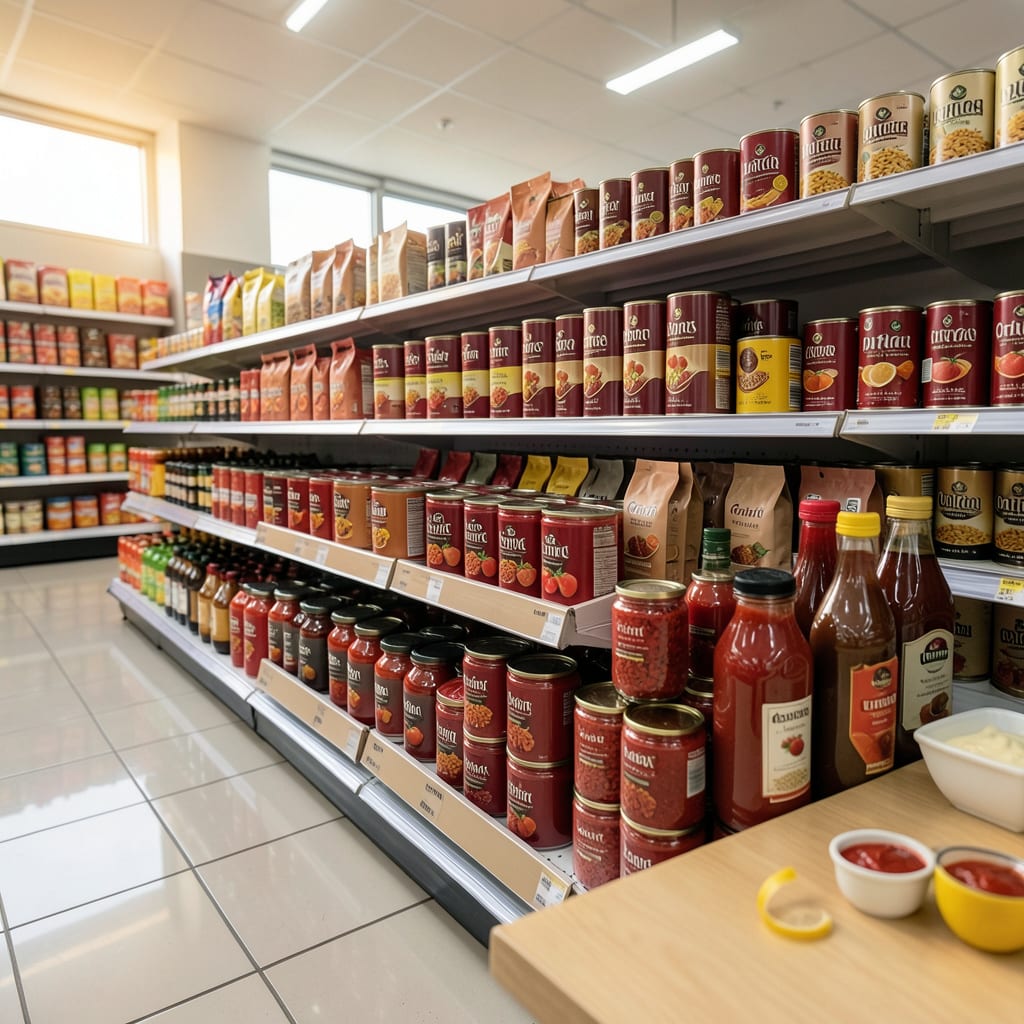
Tomato paste is typically found in the canned vegetables or tomato products aisle near pasta sauces and crushed tomatoes. Some stores also place it in the condiments or international foods section.
Grocery stores organize their shelves based on shopping patterns, which explains why this pantry staple isn’t always in the same spot. 🔥 Larger chains like Walmart or Kroger usually group it with other canned tomato products for convenience, while specialty stores might tuck it near Mediterranean or Italian ingredients to cater to recipe-focused shoppers. I’ve noticed that smaller urban markets sometimes place it in the condiments aisle alongside ketchup and hot sauces—so if you don’t see it with the vegetables, that’s your next best bet.
💡 In This Article
- Why Tomato Paste Location Varies by Grocery Store Layout
- Quick Tips to Find Tomato Paste in Any Store
Why Tomato Paste Location Varies by Grocery Store Layout
Grocery stores use something called “planogram design” to organize products based on shopping behavior. Larger chains like Walmart or Kroger follow a category adjacency model, placing tomato paste with other canned tomato products because 78% of shoppers who buy one tomato product buy another.
This creates a “destination zone” where you’ll find everything from crushed tomatoes to pasta sauce in one spot. The logic? Reduce foot traffic congestion by grouping complementary items together.
Smaller specialty stores (like Trader Joe’s or ethnic markets) often prioritize recipe-based organization. Here, you might find tomato paste in the Italian section near olive oil and capers, or in the Mexican foods aisle with chilies and masa. These stores cater to shoppers building specific dishes rather than stocking pantries.
I’ve noticed urban markets with limited space sometimes place it in condiments—a strategic move since tomato paste acts as a flavor concentrator like mustard or Worcestershire sauce. 🔥
The packaging format dramatically impacts placement too. Standard 6-oz cans typically live with canned vegetables, while 4.5-oz tubes (like Amore brand) often migrate to the gourmet cooking section near fresh herbs. Bulk sizes (28-oz cans) might get relegated to a restaurant supply area or bottom shelves.
Stores track which formats sell fastest in each location—what you see on shelves reflects real-time sales data, not just tradition.
Regional preferences create surprising variations. In the Northeast, you’re more likely to find tomato paste near pasta and pizza ingredients due to high Italian-American populations. Southern stores often place it closer to BBQ sauces and rubs because it’s a key ingredient in competition-style sauces.
International chains might split inventory—regular tomato paste in canned goods, but double-concentrated paste (common in Mediterranean cooking) in the ethnic foods section. ✨
Inventory systems play a hidden role too. Stores using just-in-time stocking (like Aldi) keep tomato paste in the most accessible location for restocking—often near the back of the canned goods aisle. Meanwhile, warehouse clubs (Costco, Sam’s Club) place it in the bulk cooking supplies section alongside #10 cans of tomatoes.
The placement isn’t random; it’s calculated to balance sales velocity with restocking efficiency.
Here’s a pro tip from my years of shopping: The UPC location system most stores use assigns tomato paste to either the “canned vegetables” or “cooking sauces” department code. This explains why store apps might show it in two different sections.
Next time you’re stumped, check both the vegetable aisle (codes 1100-1199) and the sauces/condiments section (codes 1300-1399). This system is why asking for the “tomato products section” usually gets you directed to the right spot. 💫
The next time you’re hunting for tomato paste, look at the store’s overall organization clues. Are the aisles labeled by meal type (breakfast, dinner) or product type (canned, frozen)? This tells you whether to think like a recipe builder or a pantry stocker.
In my experience, stores that organize by meal type (like Whole Foods’ “Pasta Night” sections) will have tomato paste exactly where you’d need it for spaghetti sauce—while traditional grocery stores keep it with all tomato products regardless of intended use.

Trained in classic French technique but raised on slow-cooked ribs and spicy rubs, she blends culinary skill with smoke and soul.
- Hamburgers in Sauce Recipe Crock Pot: Slow-Cooked Savory Delight - October 3, 2026
- Sanjeev Kapoor Egg Biryani Recipe: Fragrant Spiced Rice With Boiled Eggs - October 3, 2026
- Recipe for French Pork Spread Gorton: Savory Gallic Flavors in a Spreadable Delight - October 3, 2026