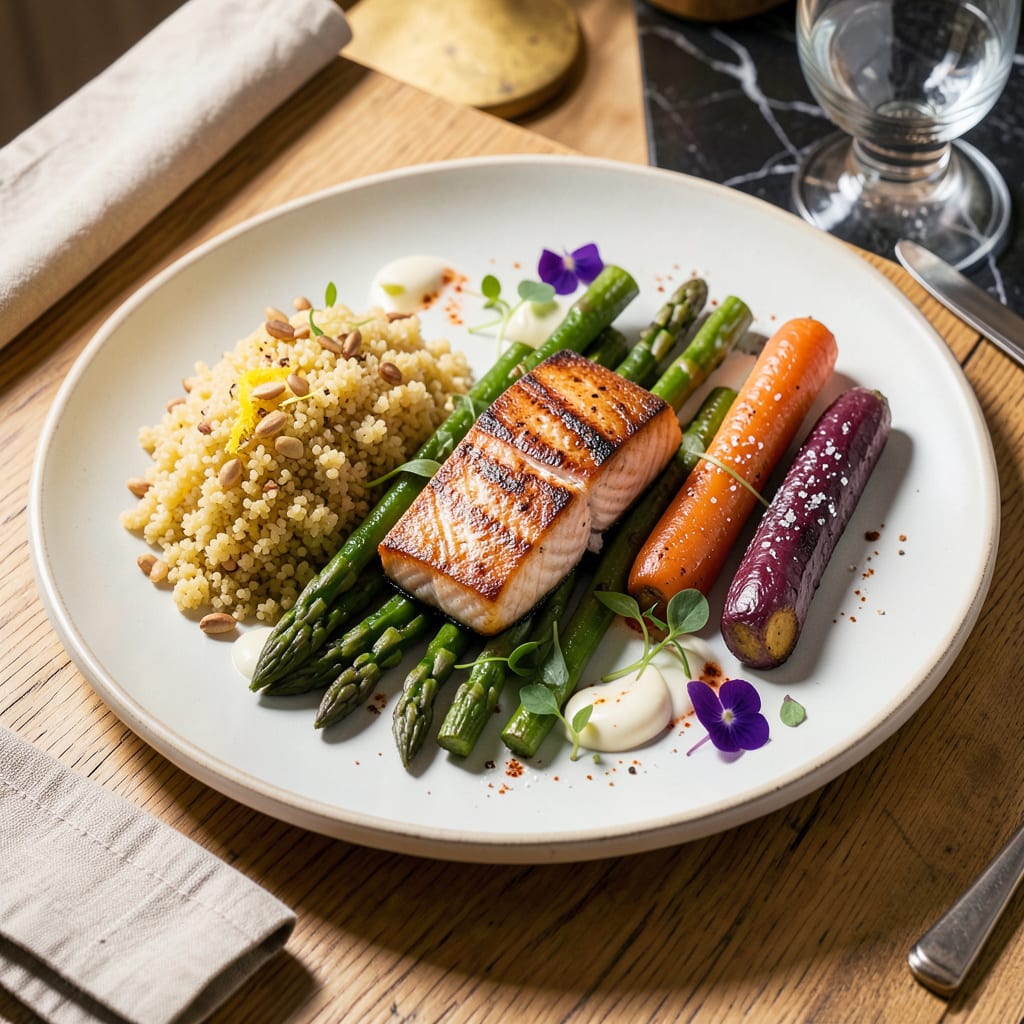
Recipes are step-by-step instructions for preparing food or drinks, listing ingredients, quantities, and techniques needed to create specific dishes. They serve as guides for consistent, repeatable results in cooking and baking.
Think of recipes as your kitchen roadmap—they take the guesswork out of cooking by breaking down complex processes into manageable steps. 🔥 What I love about them is how they bridge the gap between novice cooks and seasoned chefs, ensuring that even a beginner can create restaurant-quality dishes with the right guidance. They’re not just about measurements; they’re about technique, timing, and understanding how ingredients interact to create flavors and textures.
From my experience, the magic happens when you start seeing recipes as flexible frameworks rather than rigid rules. ✨ That’s when you can adapt them to your taste preferences, dietary needs, or whatever ingredients you have on hand. Whether it’s swapping herbs, adjusting cooking times, or experimenting with different heat sources, recipes give you the confidence to explore while still providing that safety net of proven results.
💡 In This Article
- How Recipes Standardize Cooking Across Cultures
- Practical Tips for Reading and Adapting Any Recipe
How Recipes Standardize Cooking Across Cultures
What makes recipes so powerful is their ability to transform oral traditions into precise, repeatable instructions.
🔥 Imagine trying to recreate your grandmother’s famous stew without measurements—just “a handful of this” and “a pinch of that.” Early written recipes from ancient Mesopotamia (around 1700 BCE) were more like general guidelines, but by the 18th century, French chefs began standardizing measurements to ensure consistency in royal kitchens.
This shift allowed dishes to travel across borders without losing their essence.
The magic happens in the details: a recipe calling for 1/4 teaspoon of cayenne versus “a dash” makes all the difference between subtle warmth and overwhelming heat. 🌟 Precision matters because chemical reactions in cooking—like the Maillard reaction at 300-350°F—depend on exact ratios.
Even small variations can alter textures, from the crispness of a croissant to the tenderness of braised meat. This is why professional kitchens rely on weighted measurements (grams not cups) to eliminate guesswork.
Recipes also act as cultural time capsules, preserving techniques that might otherwise disappear. 💛 Consider how French roux (equal parts fat and flour) became the foundation for Cajun gumbo, or how Indian tadka (tempering spices in oil) traveled to Caribbean cooking. Written recipes allow these methods to survive generations and adapt to new ingredients.
Without them, regional specialties like Neapolitan pizza or Japanese dashi might have remained local secrets.
Modern food science has taken this further by explaining the why behind traditional methods. 💫 We now know that resting dough develops gluten for chewy bread, or that shocking vegetables in ice water preserves their vibrant color.
Recipes today often include these scientific notes, helping home cooks understand the process rather than just following steps blindly. This knowledge empowers you to troubleshoot—like adjusting baking time at high altitudes or swapping butter for oil in cakes.
The global food movement relies on this standardization. 🌍 When a recipe for Thai green curry calls for 2 tablespoons of paste and 400ml coconut milk, cooks worldwide can recreate that balance of spicy, sweet, and creamy—whether they’re in Bangkok or Boston.
This consistency builds trust in culinary traditions and allows for meaningful cultural exchange through food. It’s how we can all experience authentic flavors without traveling.
What’s fascinating is how recipes evolve while maintaining their core identity. ✨ A classic French béchamel might become a Mexican mole with added chocolate and chiles, yet both rely on the same foundational technique of building flavors in layers.
This adaptability is why recipes have endured for centuries—they provide structure while leaving room for creativity and local interpretation.

Trained in classic French technique but raised on slow-cooked ribs and spicy rubs, she blends culinary skill with smoke and soul.
- Recipe for Boneless Pork Chops in Cast Iron Skillet: Sear and Baste to Juicy Perfection - October 3, 2026
- Recipe for Boneless Cross Rib Roast: Slow-Roasted Beef with Herb Crust - October 3, 2026
- Hamburgers in Sauce Recipe Crock Pot: Slow-Cooked Savory Delight - October 3, 2026