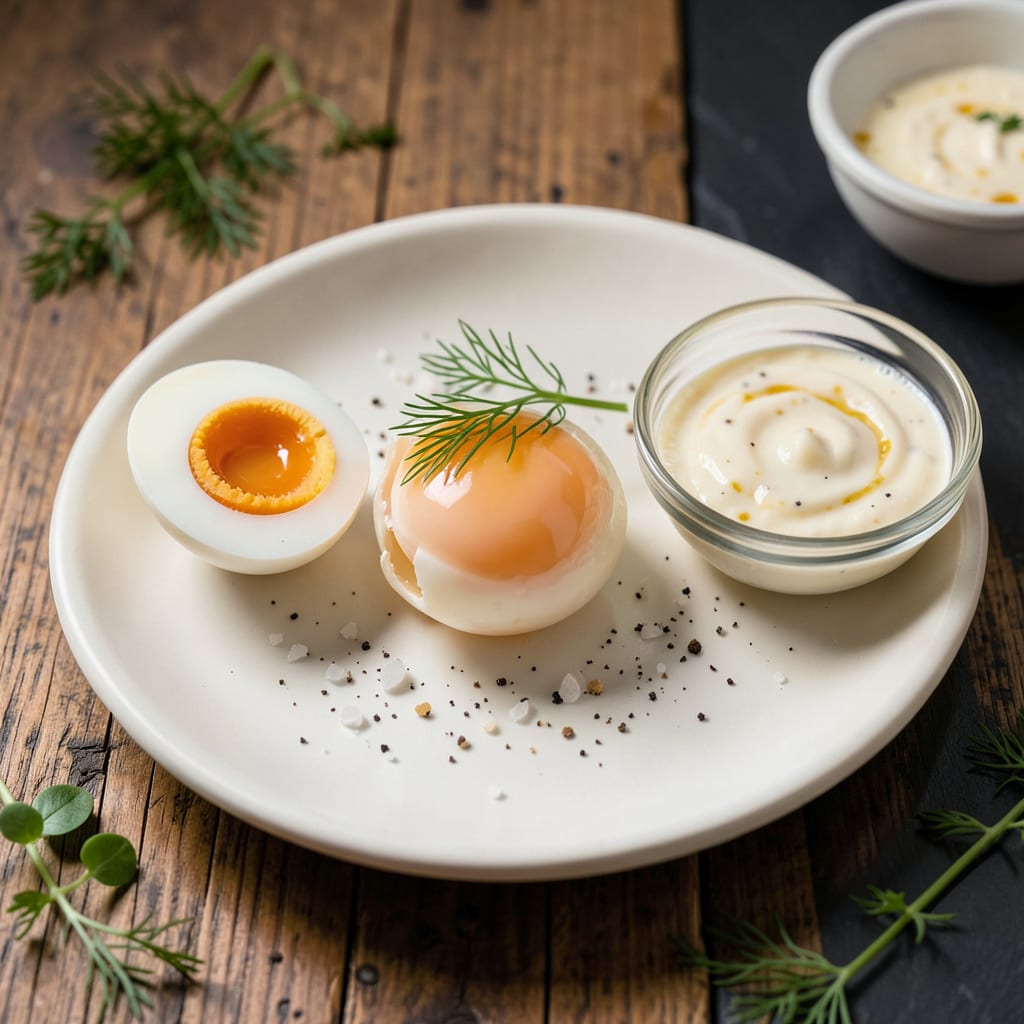
Raw eggs have a mild, slightly metallic or eggy flavor with a slimy, smooth texture that coats the mouth. The yolk is richer and creamier, while the white feels watery and slippery.
When I first tried raw eggs in classic French mayonnaise, the flavor surprised me—it’s far more subtle than you’d expect from cooked eggs. 🔥 The metallic note comes from iron in the yolk, while that signature “eggy” taste develops from sulfur compounds that become more pronounced when heated. What’s fascinating is how the texture changes based on freshness: farm-fresh eggs have a thicker white that clings to your tongue, while older eggs feel almost liquid-like. This sensory experience explains why raw eggs work so well in emulsified sauces and custards.
💡 In This Article
- Breaking Down the Flavor and Texture of Raw Eggs
- Safe Ways to Consume Raw Eggs in Recipes
Breaking Down the Flavor and Texture of Raw Eggs
The distinct taste of raw eggs comes down to their biochemical makeup. The yolk contains about 4.5g of fat per large egg, including lecithin—a natural emulsifier that gives it that velvety, almost buttery mouthfeel. Meanwhile, the white is 90% water with proteins like ovalbumin that create that slippery, coating sensation.
What many don’t realize is that freshness dramatically alters the experience: a just-laid egg’s white is so thick it barely spreads, while older eggs become runnier as the proteins break down. 🔥
That subtle metallic note you detect? It’s from the iron in the yolk—about 0.9mg per egg—which becomes more noticeable when raw. The “eggy” flavor develops from sulfur compounds (like hydrogen sulfide) that form as proteins degrade. Interestingly, pasture-raised eggs often taste richer because their diet includes more omega-3s and carotenoids, which concentrate in the yolk.
I’ve found that eggs from chickens fed flaxseed can even have a faintly nutty undertone compared to conventional eggs. ✨
The texture contrast between yolk and white is striking. A raw yolk at room temperature (68°F) has the consistency of thick custard, while the white feels more like watered-down gelatin. This difference comes from their protein structures: yolk proteins are more stable and fat-bound, while white proteins are loosely suspended in water.
When you whisk them together (like for homemade mayo), you’re actually forcing these different protein structures to interact and emulsify. 💫
Temperature plays a huge role in how we perceive raw eggs. Straight from the fridge (40°F), the white feels almost jelly-like and the yolk more viscous. But let that same egg sit at room temperature for 30 minutes, and the white thins out noticeably while the yolk becomes more fluid.
This is why recipes like tiramisu often call for room-temperature eggs—they incorporate more smoothly into batters and custards. ⚡
What surprises most people is how the flavor changes with the chicken’s diet. I once compared eggs from grain-fed chickens versus those eating a diet with insect protein—the latter had a noticeably more robust, almost umami-rich yolk. The feed’s carotenoids also affect color intensity, with darker yolks typically indicating higher nutrient density.
This is why chef’s often specify “pasture-raised” eggs in raw preparations where flavor matters most. 🌟
Here’s a pro tip: The fresher the egg, the more pronounced the texture differences between white and yolk. I test freshness by cracking an egg onto a plate—if the white holds its shape in a tight mound around the yolk, it’s at peak freshness.
As eggs age, that white spreads thinner and thinner, which is why older eggs work better for dishes where you want them to blend seamlessly, like in custards or smooth batters. 💛

Trained in classic French technique but raised on slow-cooked ribs and spicy rubs, she blends culinary skill with smoke and soul.
- Recipe for Boneless Pork Chops in Cast Iron Skillet: Sear and Baste to Juicy Perfection - October 3, 2026
- Recipe for Boneless Cross Rib Roast: Slow-Roasted Beef with Herb Crust - October 3, 2026
- Hamburgers in Sauce Recipe Crock Pot: Slow-Cooked Savory Delight - October 3, 2026