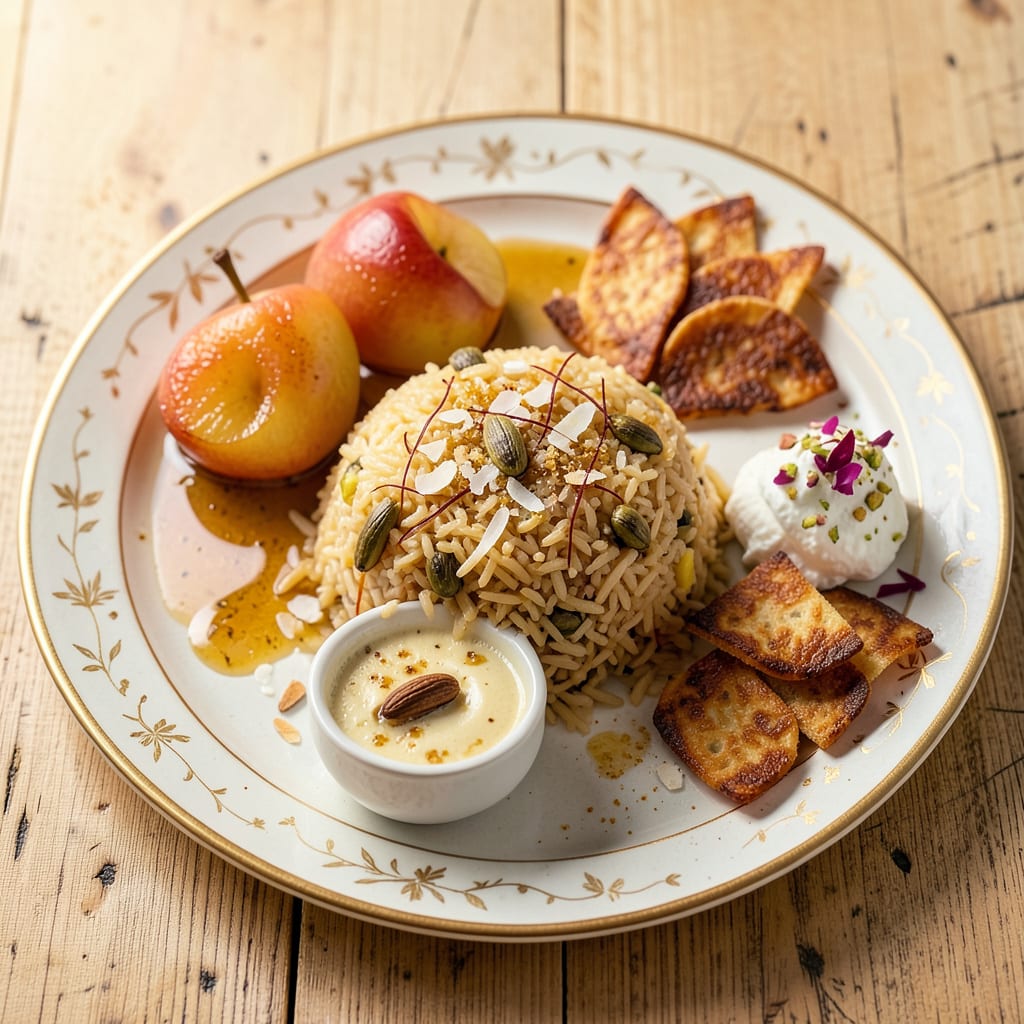
Cardamom delivers a complex, intensely aromatic flavor that’s warm, slightly sweet, and subtly spicy with citrusy, floral, and minty undertones. Its bold yet balanced taste is both refreshing and earthy, making it versatile in sweet and savory dishes.
I love how cardamom transforms dishes with its layered complexity—it’s like having a spice cabinet in one tiny pod. 🌟 The citrusy brightness cuts through richness in desserts like Swedish cardamom buns, while its earthy warmth deepens savory dishes like Indian biryani. What’s fascinating is how its flavor evolves when toasted: the heat unlocks deeper, almost smoky notes that pair perfectly with coffee or chocolate.
As a chef, I’ve found cardamom’s versatility unmatched—it bridges cultures from Scandinavian baking to Middle Eastern stews. The key is balance: a pinch enhances, but too much can overpower. Freshly ground pods always deliver more vibrancy than pre-ground, which loses potency quickly.
💡 In This Article
- Breaking Down Cardamom’s Unique Flavor Compounds
- Best Culinary Uses for Cardamom’s Distinctive Taste
Breaking Down Cardamom’s Unique Flavor Compounds
Cardamom’s signature taste comes from its volatile oils, particularly terpenes and esters that create a symphony of flavors. The dominant compound, cineole (also found in eucalyptus), gives that cooling, minty freshness—like a breath of crisp mountain air. Meanwhile, terpinene contributes bright citrus notes, while floral esters add a delicate sweetness reminiscent of orange blossoms.
This complex chemistry explains why cardamom smells so intensely aromatic even before you taste it. 🔥
The difference between green and black cardamom is dramatic. Green cardamom (Elettaria cardamomum) packs 4-8% volatile oil, delivering that vibrant, citrus-forward profile with hints of lemon and mint. Black cardamom (Amomum subulatum), on the other hand, contains smoky, camphor-like compounds from drying over open flames, giving it a deeper, almost medicinal warmth.
I’ve found black cardamom works wonders in hearty stews, while green shines in delicate pastries.
Growing regions dramatically shape cardamom’s flavor. Indian varieties (like Alleppey Green) tend to be more intensely aromatic with higher cineole content, while Guatemalan cardamom offers a milder, slightly herbal profile. The soil composition—particularly high in organic matter—and tropical climate create the perfect conditions for these flavor compounds to develop.
Even the altitude matters: pods grown at 1,000-1,500 meters develop more complex terpene profiles than lowland varieties. ✨
Here’s what most people don’t realize: cardamom’s flavor changes dramatically with heat. When you toast the pods, the volatile oils begin to transform—linalool (a floral compound) becomes more pronounced, while the citrus notes mellow into a warmer, almost honeyed sweetness.
This is why freshly toasted and ground cardamom tastes so much more vibrant than pre-ground versions, which lose 40-60% of their volatile oils within just a few months of processing. 💫
The pods themselves act as natural flavor protectors. The tough outer shell shields the seeds from oxidation, preserving those delicate compounds until you’re ready to use them. That’s why whole pods keep their potency for 1-2 years, while ground cardamom fades within 3-6 months.
Pro tip: Store pods in an airtight container away from light to maintain maximum flavor impact. I’ve ruined batches by keeping them in clear glass jars—light degrades those precious oils faster than you’d think! ⚡
What makes cardamom truly special is its ability to bridge flavor profiles. The alpha-terpineol in the oil gives it a pine-like freshness that pairs beautifully with both rich chocolates and savory meats. Meanwhile, its eugenol content (also found in cloves) adds a subtle clove-like warmth that rounds out the overall taste.
This chemical versatility explains why cardamom works equally well in Swedish kardemummabullar (cardamom buns) and Moroccan tagines. 🌟
The next time you crack open a pod, take a moment to inhale deeply—you’re experiencing centuries of agricultural tradition and complex organic chemistry in one tiny package. That first whiff of citrusy, minty aroma is your clue to the flavor explosion waiting inside.
The best cardamom should make your nose tingle slightly from the cineole, a sure sign you’ve got a high-quality batch on your hands!

Trained in classic French technique but raised on slow-cooked ribs and spicy rubs, she blends culinary skill with smoke and soul.
- Recipe for Boneless Pork Chops in Cast Iron Skillet: Sear and Baste to Juicy Perfection - October 3, 2026
- Recipe for Boneless Cross Rib Roast: Slow-Roasted Beef with Herb Crust - October 3, 2026
- Hamburgers in Sauce Recipe Crock Pot: Slow-Cooked Savory Delight - October 3, 2026