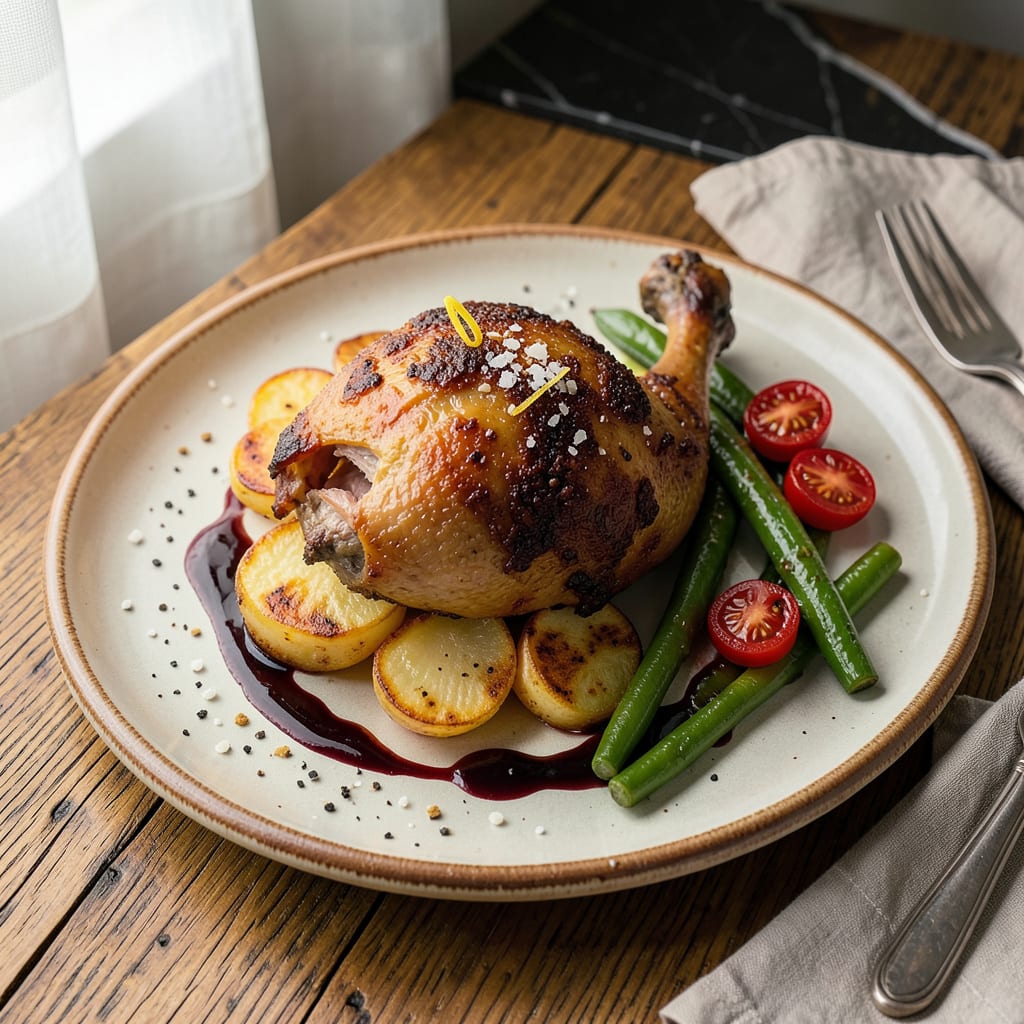
Duck fat has a deep, luxurious flavor that’s rich and slightly gamey with a velvety, buttery texture. It delivers a savory umami punch that’s less greasy than lard but more robust than butter, making it ideal for crispy roasting and frying.
I’ve worked with duck fat for years, and what sets it apart is how it transforms ordinary dishes into something extraordinary. The secret lies in its high smoke point (375°F) and unique fatty acid composition, which creates that signature golden-brown crispiness without overwhelming flavors. 🔥 Think of it as the culinary equivalent of a well-aged whiskey—complex, smooth, and capable of elevating everything from humble potatoes to delicate seafood. French chefs swear by it for confit because it preserves meat while infusing it with layers of richness you just can’t get from other fats.
💡 In This Article
- Why Duck Fat Has a Unique Rich and Savory Flavor
- Best Ways to Cook with Duck Fat for Maximum Flavor
Why Duck Fat Has a Unique Rich and Savory Flavor
Duck fat’s magic starts with its chemical composition—it’s packed with monounsaturated fats (about 50%) and saturated fats (35%), giving it a stability that butter lacks. This balance creates a mouthfeel that’s simultaneously silky and substantial. The secret weapon? Natural glutamates from the duck’s diet of grains and insects, which develop into umami-rich compounds during rendering.
🔥
When you heat duck fat, something special happens at 375°F—its smoke point. Unlike butter (which burns at 300°F), duck fat maintains its integrity, allowing flavors to develop without bitterness.
The rendering process concentrates these flavors, creating what I call “culinary gold”—a fat that carries the essence of the duck’s rich, slightly gamey character while remaining versatile enough for delicate dishes.
Compare this to other fats: lard has a heavier, pork-forward taste, while olive oil brings grassy notes. Duck fat sits in the middle—luxurious like butter but with a depth that makes roasted potatoes taste like they’ve been slow-cooked for hours.
The aroma alone is intoxicating: warm, nutty, with just a hint of the barnyard that reminds you of its origin. ✨
What really sets duck fat apart is how it interacts with food. Its high oleic acid content (similar to olive oil) means it penetrates ingredients more effectively than other animal fats.
When you confit duck legs in their own fat, the meat absorbs these compounds, becoming tender while developing a caramelized crust that’s impossible to replicate with other fats. 💫
The fat’s natural emulsifiers also make it exceptional for frying. French fries cooked in duck fat emerge with a crisp exterior and custard-like interior because the fat’s viscosity allows for perfect heat transfer.
Even at room temperature, duck fat remains semi-solid but spreadable—a texture that makes it ideal for everything from pie crusts to sautéed vegetables.
Here’s what most people miss: the flavor evolves with use. Each time you cook with duck fat, it develops deeper, more complex notes—almost like a well-seasoned cast iron skillet. This is why French kitchens keep jars of duck fat for years, adding to them like a living ingredient.
The older the fat, the more pronounced its savory character becomes. ⚡

Trained in classic French technique but raised on slow-cooked ribs and spicy rubs, she blends culinary skill with smoke and soul.
- Recipe for Boneless Pork Chops in Cast Iron Skillet: Sear and Baste to Juicy Perfection - October 3, 2026
- Recipe for Boneless Cross Rib Roast: Slow-Roasted Beef with Herb Crust - October 3, 2026
- Hamburgers in Sauce Recipe Crock Pot: Slow-Cooked Savory Delight - October 3, 2026