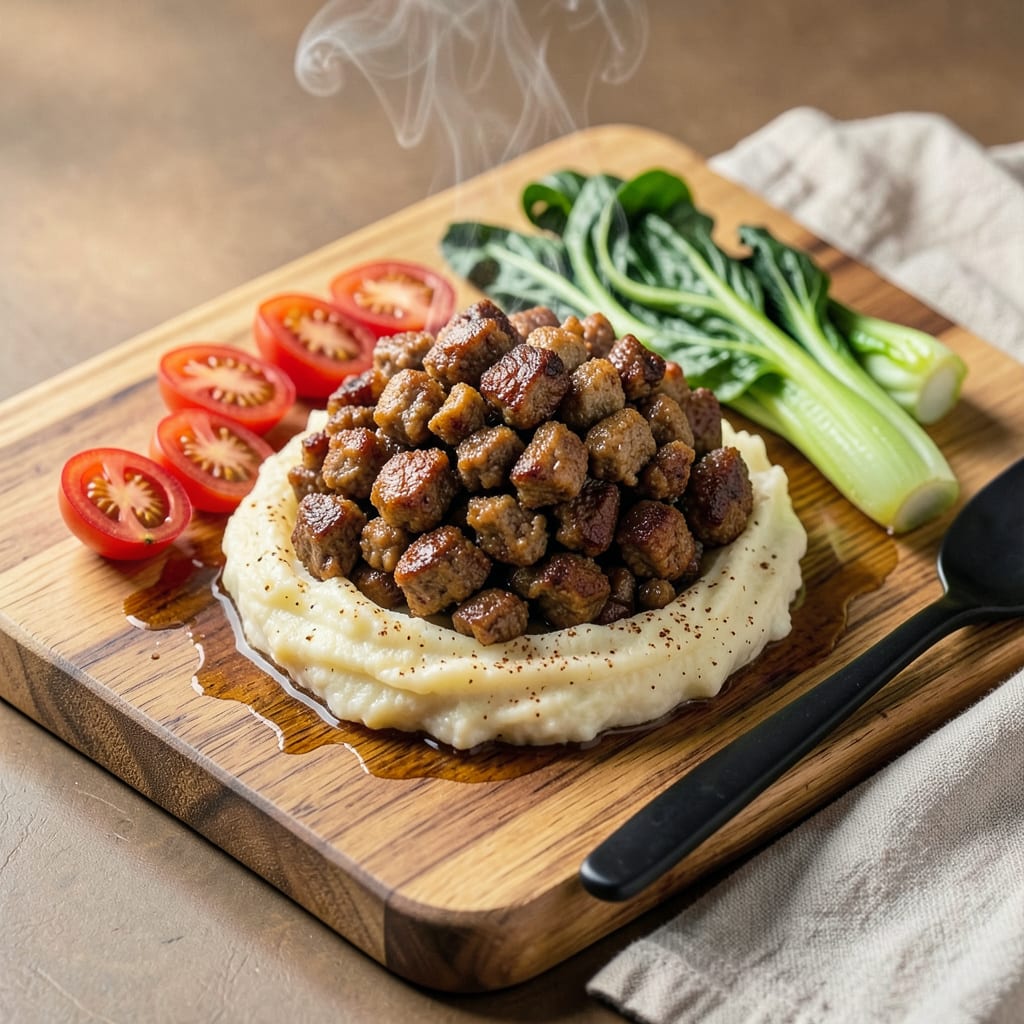
Ground pork has a rich, slightly sweet, and savory flavor with a tender yet slightly fatty texture. Its mild pork taste absorbs seasonings well, making it versatile for various dishes from meatballs to stir-fries.
This flavor profile comes from pork’s natural marbling, which gives it that subtle sweetness while keeping the meat juicy. 🔥 What I love about ground pork is how it transforms based on what you pair it with—fennel and garlic bring out its Italian potential, while ginger and soy sauce highlight its Asian versatility. The fat content (usually 20-30%) is the secret weapon here, creating that perfect balance between tenderness and depth of flavor.
💡 In This Article
- Factors That Influence Ground Pork Flavor
- Best Dishes to Highlight Ground Pork’s Flavor
Factors That Influence Ground Pork Flavor
The flavor of ground pork starts with the pig’s diet and lifestyle. Pigs raised on diverse farms with access to roots, vegetables, and even nuts develop more complex, nutty undertones compared to grain-fed pigs.
🌱 The marbling—those thin white fat streaks—comes from the pig’s breed and exercise level, with heritage breeds like Berkshire offering richer, more pronounced pork flavor than commercial breeds.
Fat content is the game-changer here. Ground pork typically ranges from 20-30% fat, with shoulder cuts (Boston butt) delivering more fat and flavor than leaner loin. That fat renders during cooking, creating juiciness and carrying flavor compounds.
The grinding process itself matters—coarse grinds retain more texture and fat pockets, while fine grinds create a uniform, almost creamy mouthfeel when cooked.
Freshness plays a huge role in taste. Properly handled pork has a clean, slightly metallic aroma when raw that disappears when cooked.
🔥 What most people don’t realize is that pork’s natural sweetness comes from glycogen in the muscles converting to lactic acid after slaughter—a process called rigor mortis that actually enhances flavor over 24-48 hours of proper aging.
The cut origin dramatically affects the final product. Shoulder ground pork brings robust, meaty flavor perfect for sausages, while loin-based grinds work better for delicate applications like dumpling fillings. I’ve found that mixing shoulder and belly (about 70/30 ratio) gives the ideal balance of flavor and texture for most recipes.
Temperature treatment matters too. Pork fat begins to render at 130°F and fully liquefies around 160°F, which is why ground pork benefits from gentle cooking methods. Quick high-heat searing can cause the proteins to tighten before fat renders, leading to dry results.
The ideal cooking window is 145-160°F for ground pork to achieve both safety and optimal texture.
Consider these key flavor influencers:
- Diet: Pasture-raised pigs develop herbal, earthy notes
- Breed: Heritage breeds offer 30% more marbling than commercial
- Grind size: Coarse grind = more texture, fine grind = smoother consistency
- Aging: Properly aged pork develops deeper umami notes
The grinding process itself creates more surface area for seasonings to penetrate, which is why ground pork absorbs flavors so beautifully compared to whole cuts. ✨ This makes it ideal for dishes where you want the meat to truly marry with spices and aromatics.

Trained in classic French technique but raised on slow-cooked ribs and spicy rubs, she blends culinary skill with smoke and soul.
- Recipe for Boneless Pork Chops in Cast Iron Skillet: Sear and Baste to Juicy Perfection - October 3, 2026
- Recipe for Boneless Cross Rib Roast: Slow-Roasted Beef with Herb Crust - October 3, 2026
- Hamburgers in Sauce Recipe Crock Pot: Slow-Cooked Savory Delight - October 3, 2026