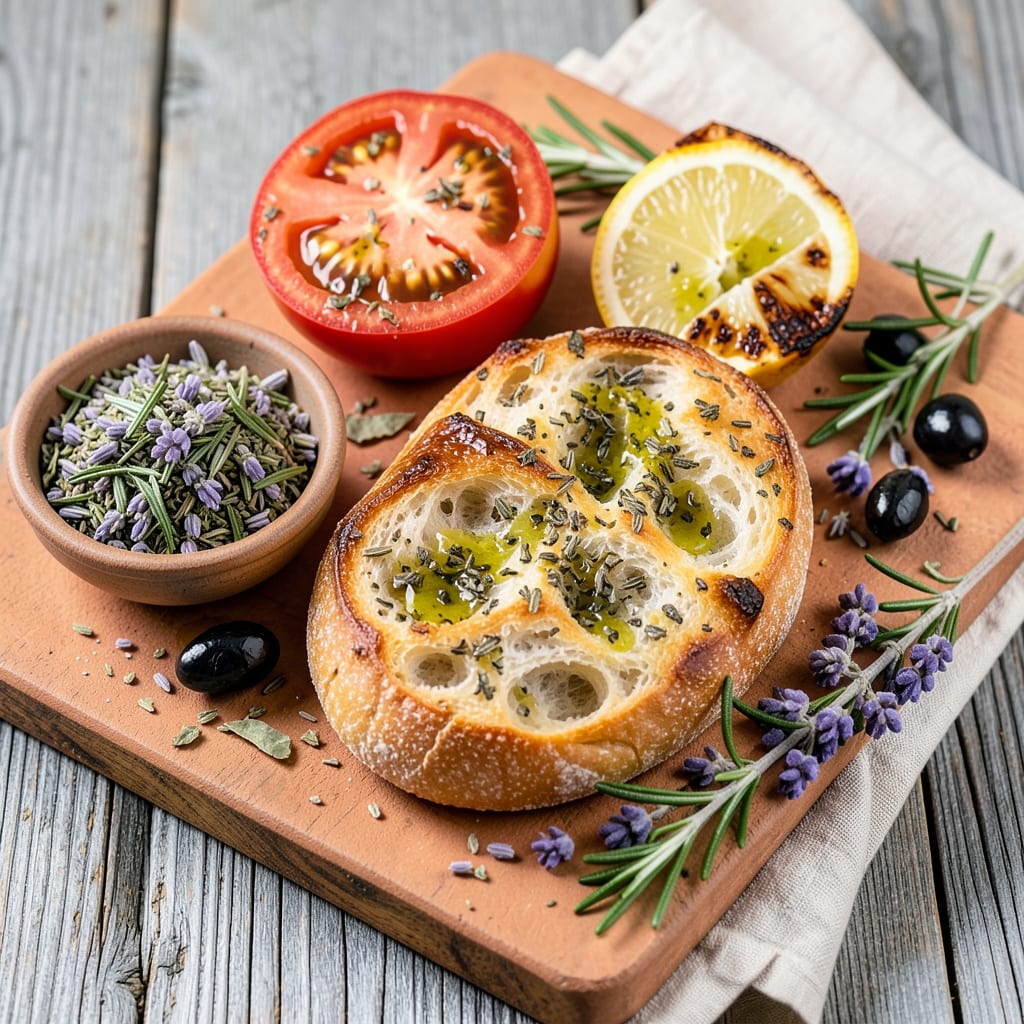
Herbes de Provence delivers a fragrant, earthy-sweet blend with floral lavender notes, savory thyme, and rosemary’s piney warmth. The mix is aromatic yet balanced, with subtle hints of fennel or basil adding brightness.
This classic French blend transports me straight to sun-drenched fields of the Mediterranean. 🌿 The lavender gives it a delicate floral lift, while the thyme and rosemary anchor it with robust, woodsy undertones. What makes it special is how these herbs harmonize—no single note dominates, creating a versatile seasoning that enhances everything from grilled lamb to roasted potatoes. I love how it bridges rustic and refined flavors, making it equally at home in a simple marinade or a complex stew.
💡 In This Article
- Key Herbs That Define Herbes de Provence Flavor
- Best Dishes to Highlight Herbes de Provence
Key Herbs That Define Herbes de Provence Flavor
The magic of this blend starts with its core trio: thyme, rosemary, and lavender. Thyme brings earthy, slightly minty notes with a subtle lemony undertone—think of it as the backbone that balances the blend. Rosemary contributes its piney, resinous depth that lingers on the palate, while lavender adds that signature floral sweetness.
The ratio matters: traditional blends use about 3 parts thyme to 2 parts rosemary to 1 part lavender, creating harmony without any single herb overpowering. ✨
What surprises most people is how the supporting herbs elevate the mix. Savory adds a peppery, slightly bitter edge that cuts through richness, while fennel seeds introduce a faint anise-like brightness. Some artisanal versions include tarragon for its licorice notes or basil for freshness.
The difference between commercial and homemade blends often comes down to these secondary ingredients—store-bought versions might skip fennel or use dried basil instead of fresh. 🌿
Regional variations tell a story of terroir. Blends from Haute-Provence often emphasize lavender (sometimes up to 20% of the mix) because of the abundant fields there, while coastal versions might include more marjoram or oregano for a Mediterranean touch.
I once tasted a blend from a small village near Aix-en-Provence that used wild thyme foraged from limestone hills—it had an almost citrusy sharpness you don’t find in cultivated varieties. 💛
The drying process transforms these herbs completely. Sun-dried lavender loses its soapy edge and develops honeyed notes, while air-dried rosemary becomes more aromatic than fresh. The key is in the timing: herbs are typically harvested just before flowering (when essential oils peak) and dried slowly at temperatures below 95°F to preserve volatile compounds.
This is why freshly made blends smell more vibrant than older ones—the terpenes and esters that create those signature aromas degrade over time. ⚡
Here’s what happens when you taste it: First, you get the floral lift from lavender, followed by the herbal warmth of thyme and rosemary. Then the fennel or savory kicks in on the mid-palate, with a finish that’s surprisingly clean—no lingering bitterness.
The balance is so precise that it works equally well in rich dishes (like lamb) and delicate ones (like roasted tomatoes). I’ve found it’s the only blend that can stand up to both olive oil’s fruitiness and garlic’s pungency without getting lost. 🔥
Pro tip: To test a blend’s quality, rub a pinch between your palms and inhale. High-quality Herbes de Provence will release layers of scent—first the lavender, then the woody herbs, finally the subtle spice notes. If it just smells like dried grass, it’s past its prime.
The best blends use herbs dried within 6 months and stored in airtight containers away from light to maintain potency. 💫
What most people miss is how the blend changes with heat. When sprinkled on dishes at the end of cooking, you get bright, fresh herbal notes. But when bloomed in warm oil (around 250°F for 2-3 minutes), the flavors deepen dramatically—the rosemary becomes more resinous, the thyme turns jammy, and the lavender’s floral quality intensifies.
This is why it’s my secret weapon for marinades and vinaigrettes. 🌟

Trained in classic French technique but raised on slow-cooked ribs and spicy rubs, she blends culinary skill with smoke and soul.
- Recipe for Boneless Pork Chops in Cast Iron Skillet: Sear and Baste to Juicy Perfection - October 3, 2026
- Recipe for Boneless Cross Rib Roast: Slow-Roasted Beef with Herb Crust - October 3, 2026
- Hamburgers in Sauce Recipe Crock Pot: Slow-Cooked Savory Delight - October 3, 2026