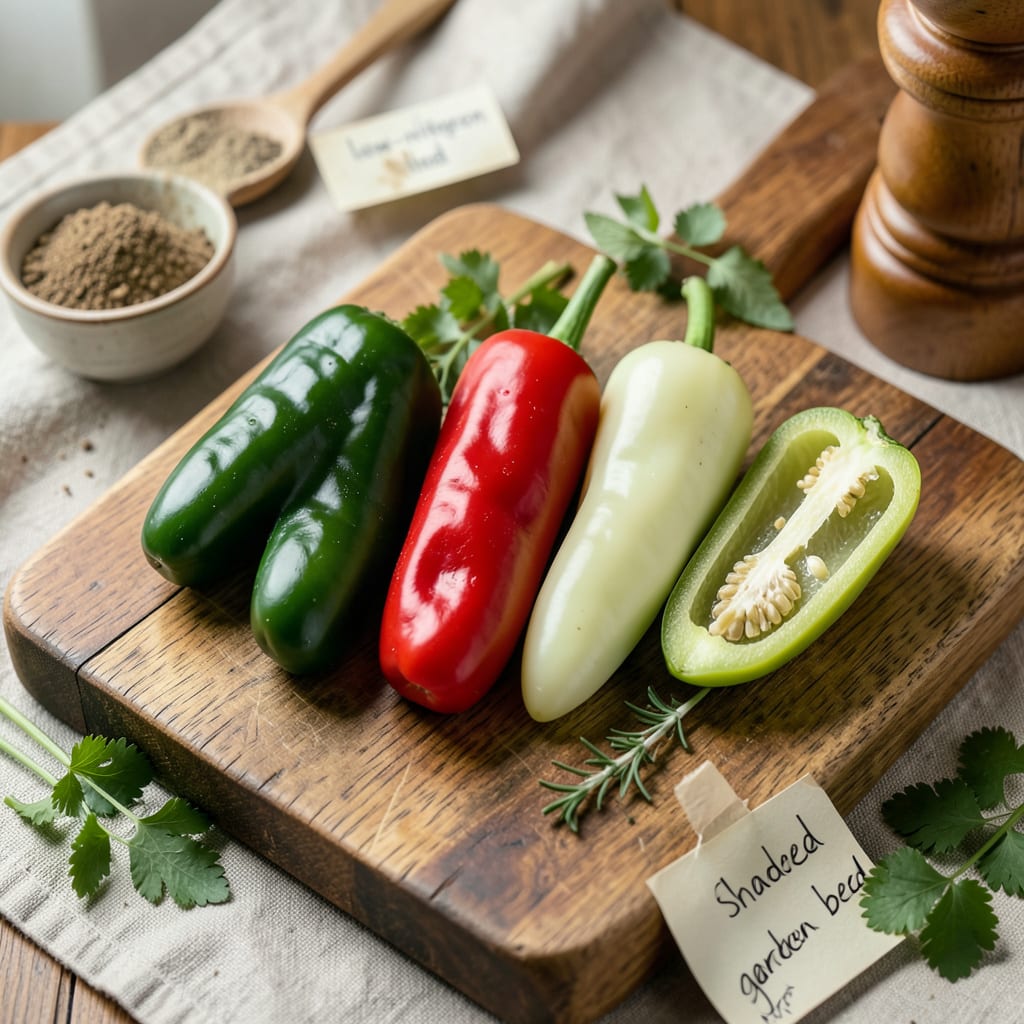
Jalapeños lose heat due to inconsistent watering, mild growing conditions, or premature harvesting. Stress from heat and proper ripening boosts capsaicin levels, which creates spiciness.
As a pitmaster who relies on bold flavors, I’ve learned that peppers develop their signature kick through environmental challenges. 🔥 Think of capsaicin—the compound responsible for heat—as the plant’s natural defense mechanism. When jalapeños face drought stress or temperature swings, they ramp up production to protect themselves. This explains why pampered plants often produce milder peppers, while those that struggle deliver that satisfying burn we crave.
What many gardeners overlook is the ripening timeline. Those vibrant green peppers you’re harvesting might look ready, but they haven’t reached their full spicy potential. I always wait until they develop red streaks or fully turn red—this extra time allows capsaicin to accumulate. The difference in heat levels between early and fully mature peppers can be dramatic, often surprising first-time growers.
💡 In This Article
- How Growing Conditions Affect Jalapeño Heat Levels
- Picking and Storing Jalapeños for Maximum Spice
How Growing Conditions Affect Jalapeño Heat Levels
The secret to fiery jalapeños lies in their struggle to survive. Capsaicin—the compound that creates heat—isn’t just for flavor; it’s the plant’s defense against predators and environmental stress. When jalapeños face drought conditions or temperature extremes (especially above 85°F), they produce more capsaicin as a protective measure.
This explains why peppers grown in consistently mild, well-watered conditions often taste milder than their stressed counterparts. 🔥
Sunlight intensity plays a crucial role too. Jalapeños need 6-8 hours of direct sunlight daily to develop optimal heat levels. The UV radiation triggers capsaicin production, which is why greenhouse-grown peppers often underperform compared to those cultivated outdoors.
Soil quality matters as well—nitrogen-rich soils produce lush foliage but can dilute heat, while phosphorus-heavy soils (like those amended with bone meal) encourage pepper production and capsaicin concentration. ✨
What surprises many growers is how watering consistency affects spiciness. Irregular watering creates stress cycles that actually boost capsaicin levels. I’ve found that allowing soil to dry slightly between waterings (but never completely) produces peppers with 2-3 times more heat than those kept constantly moist.
The key is finding that sweet spot where the plant feels challenged but not endangered. 💫
Temperature swings between day and night also contribute significantly. A 20°F difference between daytime highs and nighttime lows creates ideal conditions for capsaicin development. This thermal stress signals the plant to produce more protective compounds.
In my coastal garden, I’ve noticed the hottest peppers come from plants exposed to morning sun followed by cooler afternoon breezes—nature’s perfect heat-building cycle. ⚡
For those growing in containers, remember that root restriction can actually work in your favor. Slightly root-bound jalapeño plants (in 3-5 gallon pots) often produce hotter peppers than those with unlimited root space. The mild stress of confined roots triggers the same defensive capsaicin production as other environmental challenges.
Just be sure to monitor moisture levels more closely in containers. 🌟
Here’s what most gardeners miss: the heat isn’t just in the peppers—it’s in the plant’s entire growth experience. Every environmental challenge, from inconsistent watering to temperature fluctuations, contributes to that perfect burn we crave. The peppers that make you reach for water are often the ones that fought hardest to survive. 💛

Trained in classic French technique but raised on slow-cooked ribs and spicy rubs, she blends culinary skill with smoke and soul.
- Recipe for Boneless Pork Chops in Cast Iron Skillet: Sear and Baste to Juicy Perfection - October 3, 2026
- Recipe for Boneless Cross Rib Roast: Slow-Roasted Beef with Herb Crust - October 3, 2026
- Hamburgers in Sauce Recipe Crock Pot: Slow-Cooked Savory Delight - October 3, 2026