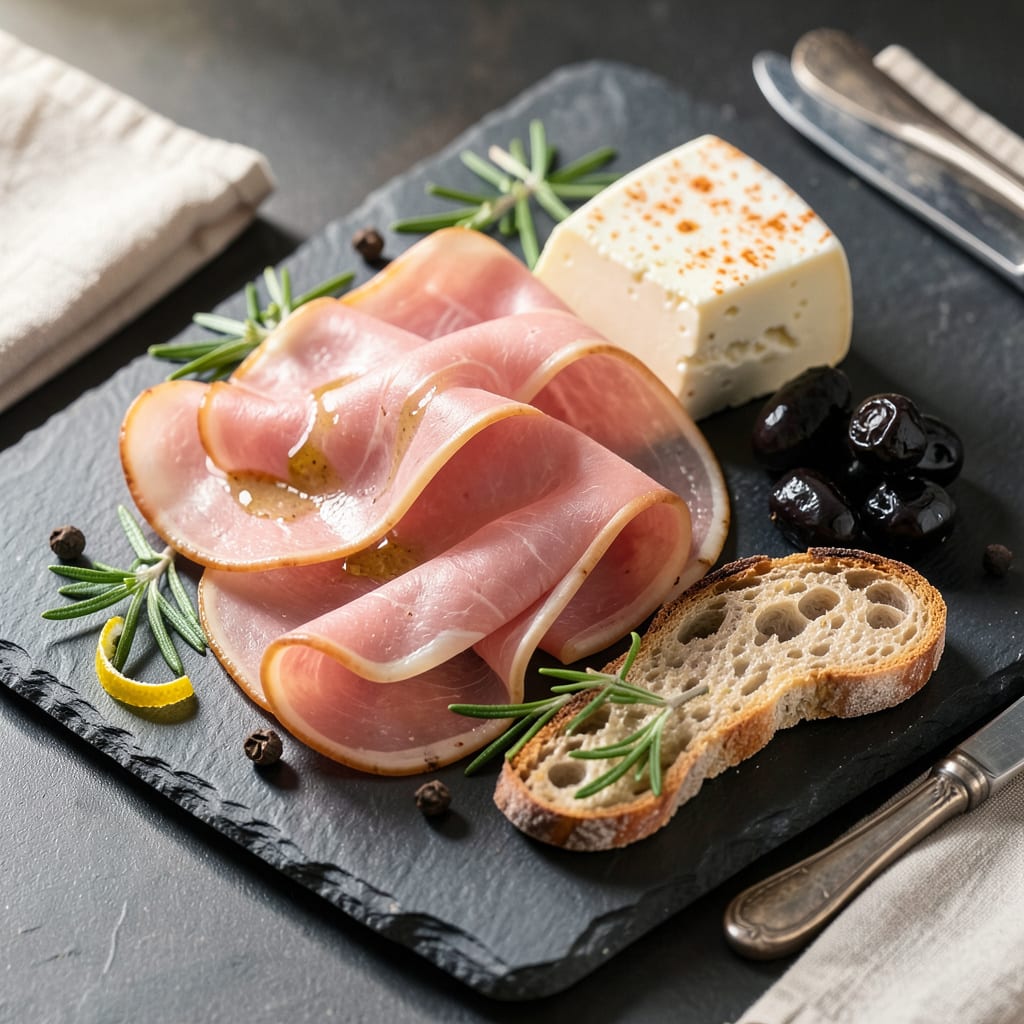
Uncured ham is pork that hasn’t been treated with synthetic nitrates or nitrites. Instead, it’s preserved using natural alternatives like celery powder or sea salt, giving it a milder flavor and pinkish hue. It must still be cooked before eating, unlike fully cured hams.
I’ve found that what sets this apart is the preservation process—natural nitrates from vegetables like celery or beets create that familiar cured appearance without artificial additives. 🔥 This method appeals to those seeking cleaner labels while maintaining the ham’s signature texture. The milder taste makes it versatile for recipes where you don’t want the saltiness of traditional cured ham to overpower other flavors.
💡 In This Article
- How Uncured Ham Is Processed Without Synthetic Preservatives
- Cooking and Serving Uncured Ham: Key Differences to Know
How Uncured Ham Is Processed Without Synthetic Preservatives
The secret behind uncured ham lies in its preservation method. Instead of synthetic nitrates (like sodium nitrite), producers use natural sources such as celery powder, beet juice, or sea salt. These ingredients contain naturally occurring nitrates that convert to nitrites during processing—just like in traditional curing. The difference?
The nitrates come from whole foods rather than chemical additives. This approach meets FDA guidelines while appealing to consumers who prefer cleaner labels. ✨
Here’s what’s actually happening during production: The pork is rubbed or injected with a brine containing these natural nitrates, then slow-cured for 7-14 days. Fermentation plays a key role—beneficial bacteria help convert the vegetable-derived nitrates into nitrites, which then bind to the meat’s myoglobin. This reaction creates that familiar pink color and extends shelf life.
The process requires precise temperature control (36-40°F) to ensure safety while the natural curing occurs. 🔥
What most people don’t realize is that uncured ham still develops the same protective properties as traditionally cured ham. The natural nitrites inhibit bacterial growth (including Clostridium botulinum) and prevent lipid oxidation that causes rancidity.
However, because the nitrate levels can vary in plant sources, producers must carefully monitor pH levels (typically 5.8-6.2) and curing times to achieve consistent results. This attention to detail explains why uncured hams often cost 10-20% more than their conventional counterparts.
The flavor difference comes down to chemistry. Synthetic nitrites create more stable compounds that produce that classic “hammy” taste. Natural nitrites, while effective, result in a subtler profile with 30-40% less saltiness on average. You’ll notice more of the pork’s natural sweetness comes through, especially in heritage breeds.
This makes uncured ham particularly well-suited for recipes where you want the meat to complement rather than dominate other ingredients. 💫
Safety remains paramount in this process. All uncured hams must reach an internal temperature of 148°F during processing (compared to 145°F for cured hams) to ensure pathogen destruction. The USDA requires additional documentation for uncured products, including detailed records of ingredient sources and curing parameters.
When handled properly, the risk of foodborne illness is identical to traditionally cured hams—just with a different preservation pathway. ⚡
Consider these key processing differences:
- Curing agents: Celery powder (6-8% nitrate content) vs. sodium nitrite (99% pure)
- Curing time: 10-14 days for uncured vs. 5-7 days for traditional
- Color development: More gradual pink hue formation due to slower nitrate conversion
- Shelf life: Typically 3-5 days shorter than synthetic-cured hams when refrigerated

Trained in classic French technique but raised on slow-cooked ribs and spicy rubs, she blends culinary skill with smoke and soul.
- Recipe for Boneless Pork Chops in Cast Iron Skillet: Sear and Baste to Juicy Perfection - October 3, 2026
- Recipe for Boneless Cross Rib Roast: Slow-Roasted Beef with Herb Crust - October 3, 2026
- Hamburgers in Sauce Recipe Crock Pot: Slow-Cooked Savory Delight - October 3, 2026