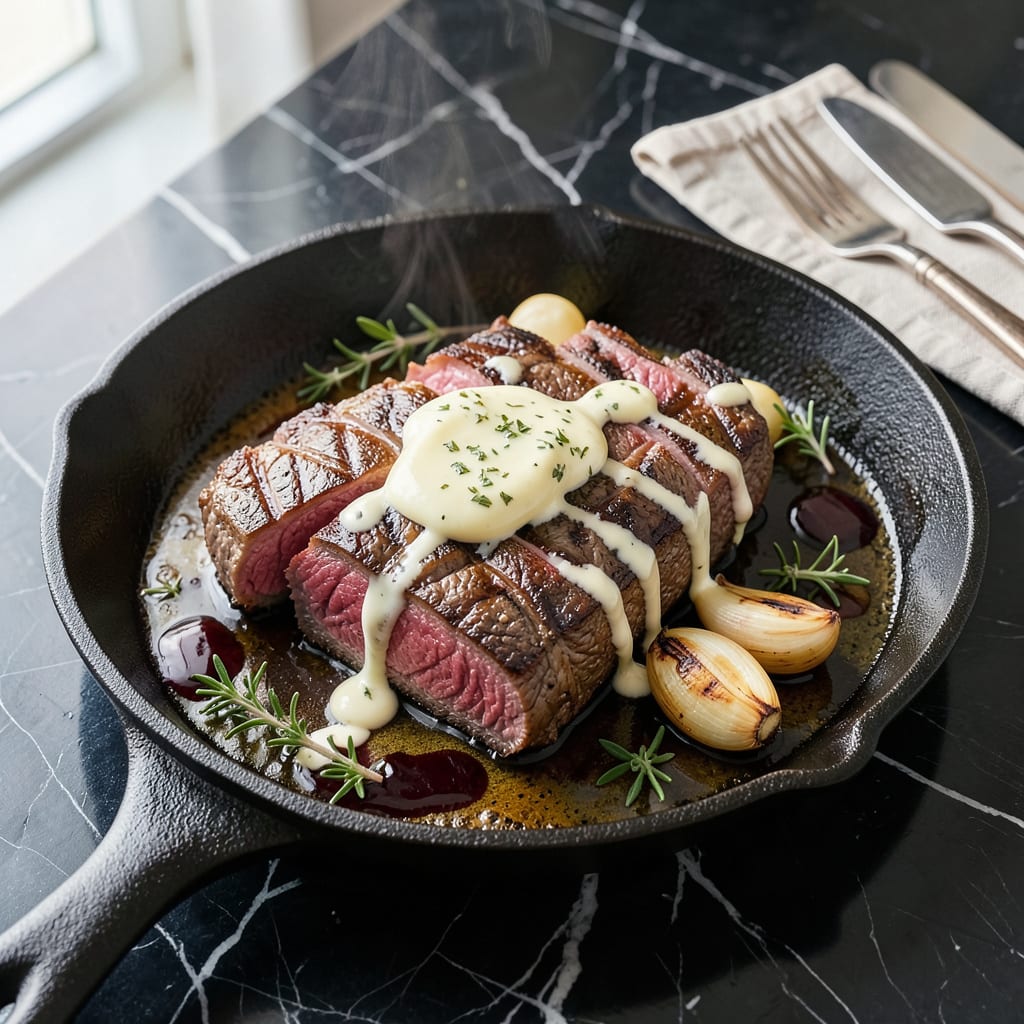
The most tender steaks come from the rib and short loin sections, with filet mignon, ribeye, and New York strip being top choices. These cuts have minimal connective tissue and high marbling for natural tenderness and rich flavor.
I’ve spent years working with different cuts, and what makes these stand out is their location on the animal. 🔥 The rib and loin areas get very little exercise, which means the muscle fibers stay relaxed and tender. When you see that beautiful white marbling throughout the meat, that’s intramuscular fat that melts during cooking—creating that buttery texture we all love. But here’s the kicker: even within these premium cuts, how the animal was raised and how long the meat was aged makes a huge difference in the final result.
What many home cooks don’t realize is that tenderness isn’t just about the cut—it’s about how you handle it. ✨ A perfectly marbled ribeye can turn tough if you overcook it, while a skilled cook can make even a budget-friendly cut like flat iron steak melt in your mouth with the right technique. I always tell my students: respect the meat’s natural qualities, and it will reward you with incredible flavor and texture.
💡 In This Article
- Why Some Steak Cuts Are Naturally More Tender
- How to Select and Cook the Tenderest Steak Every Time
Why Some Steak Cuts Are Naturally More Tender
Let me take you behind the butcher counter for a moment. The secret to tenderness starts with muscle location—cows use some muscles constantly (like the shoulder and leg) while others (along the spine) barely move.
🔥 The rib and short loin sections are the “lazy muscles” of the animal, receiving minimal exercise which keeps their fibers loose and relaxed. Compare this to flank steak from the abdominal area, which works hard to support the cow’s movement—resulting in tougher, more fibrous meat that requires marinating or slow cooking.
Now let’s talk about that beautiful white webbing you see in premium cuts—that’s intramuscular fat or marbling. In a prime ribeye, you’ll find marbling scores of “Abundant” or “Moderately Abundant” (USDA grading), meaning 8-12% fat content distributed in thin veins throughout the muscle.
When heated, these fat deposits melt at 130-140°F, lubricating the muscle fibers from within. A filet mignon might have less marbling (around 4-6%) but compensates with its ultra-fine grain structure—each muscle fiber is about 1/3 the diameter of those in a sirloin steak.
Connective tissue tells another important story. Tough cuts like chuck contain high levels of collagen (up to 15% by weight) that only break down through long, moist cooking methods. Meanwhile, tender cuts from the rib section contain mostly elastin—a protein that remains tender even when cooked quickly. Here’s the kicker: aging transforms everything.
During the 21-45 day dry-aging process I use, natural enzymes break down muscle fibers while concentrated flavors develop. A properly aged New York strip will have 30-40% more tenderness than its fresh counterpart.
I always demonstrate this to my students with a simple test—press your finger into different cuts. A fresh filet mignon will spring back immediately like memory foam, while an unaged top round will resist like a dense sponge.
The difference becomes even more dramatic after cooking: that same filet will offer 5-7 pounds of bite resistance compared to 12-15 pounds for a cooked flank steak. That’s why I reach for the rib and loin cuts when I want that effortless, buttery texture that practically cuts itself. ✨
Temperature control reveals the final piece of the puzzle. Those tender cuts we love have ideal cooking windows that are surprisingly narrow.
Take a ribeye for example:
- Medium-rare (130-135°F internal): Fat renders perfectly while proteins stay relaxed
- Medium (140-145°F): Muscle fibers begin contracting noticeably
- Well-done (160°F+): Even the most marbled cut becomes dry as moisture evaporates
💫
Here’s a pro tip from my years in French kitchens: the grain direction matters more than most realize. In tender cuts, the muscle fibers run parallel in organized bundles. When you slice against the grain (perpendicular to the fibers), you’re cutting through 70-80% fewer long protein strands per bite.
That’s why I always rotate my steak 45 degrees after the first sear—it creates a diamond pattern that naturally shortens the grain length in each piece. This technique alone can make even a slightly overcooked steak feel more tender.

Trained in classic French technique but raised on slow-cooked ribs and spicy rubs, she blends culinary skill with smoke and soul.
- Recipe for Boneless Pork Chops in Cast Iron Skillet: Sear and Baste to Juicy Perfection - October 3, 2026
- Recipe for Boneless Cross Rib Roast: Slow-Roasted Beef with Herb Crust - October 3, 2026
- Hamburgers in Sauce Recipe Crock Pot: Slow-Cooked Savory Delight - October 3, 2026