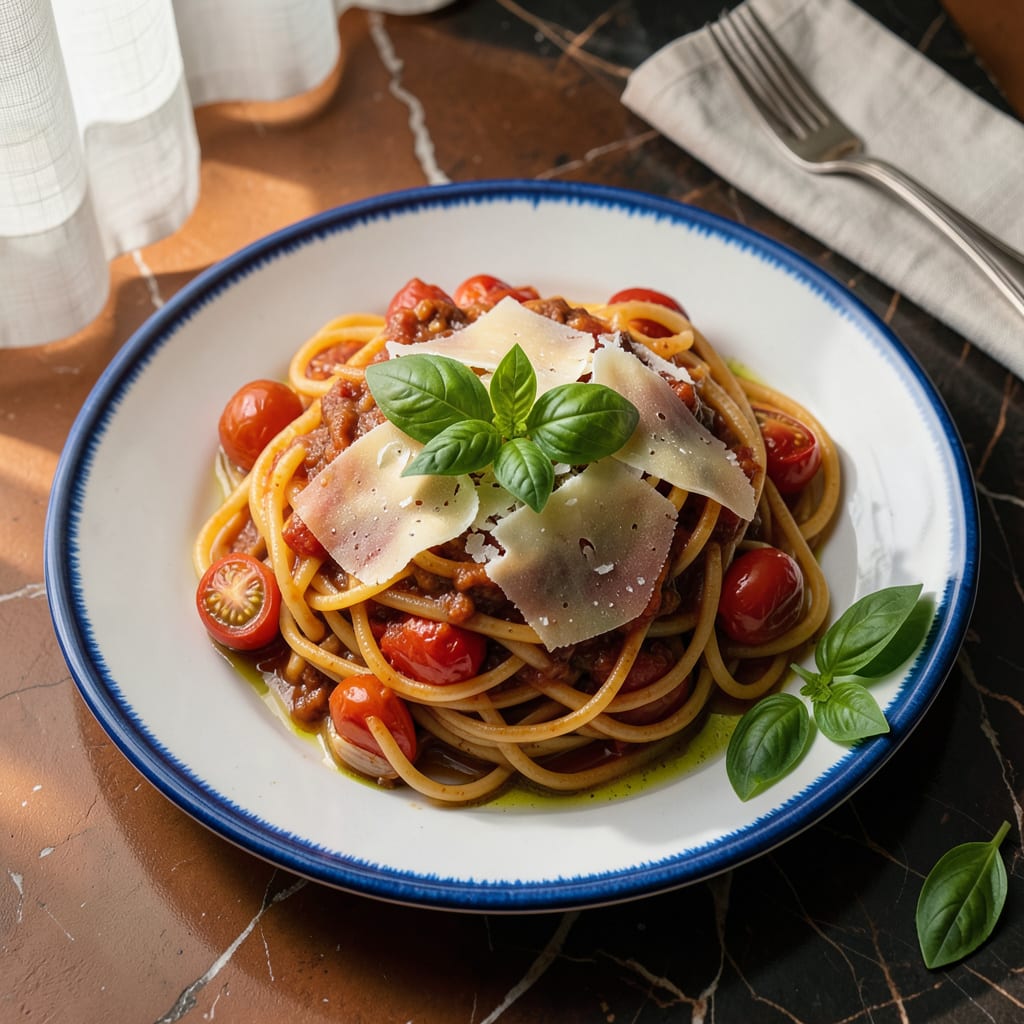
I’ll be real with you: basil timing can make or break your sauce. That fresh, aromatic herb loses its magic if you toss it in too early. After years of experimenting (and some disappointing marinara mishaps), I’ve nailed down exactly when to add basil for maximum flavor impact—whether you’re working with fresh or dried.
Fresh basil is delicate—its volatile oils break down under heat, turning bitter instead of bright. For tomato-based sauces like marinara, I always add fresh basil at the very end, just before serving. Dried basil, on the other hand, needs time to rehydrate and develop flavor, so it goes in early with your aromatics. The difference is night and day.
Cream sauces and pesto follow different rules. With alfredo or béchamel, stir in fresh basil after removing from heat so it infuses without cooking. For pesto, add basil to the food processor with cold ingredients to preserve that vibrant green color and fresh flavor. Tearing leaves instead of chopping prevents bruising and keeps flavors cleaner.
Here’s the thing—basil isn’t just a garnish. When used right, it transforms good sauce into something extraordinary. I’ll show you exactly how to time it for each sauce type, so you never waste those precious leaves again.
📚 In This Guide
- What You’ll Need
- Instructions
- Tips and Common Mistakes
What Youll Need
- ● Fresh basil leaves – ½ cup loosely packed (or 2 tbsp dried basil if substituting 🌿). Tip: Choose vibrant green, unblemished leaves for best flavor.
- ● Tomato sauce base – 2 cups (homemade or store-bought marinara). Opt for low-sodium if adjusting seasoning later.
- ● Olive oil – 1 tbsp (extra virgin for richer taste).
- ● Garlic – 2 cloves, minced (or ½ tsp garlic powder in a pinch).
- ● Salt & black pepper – To taste (start with ½ tsp salt and ¼ tsp pepper).
- ○ Crushed red pepper flakes – ¼ tsp (optional, for heat 🌶️).
- ○ Parmesan cheese rind – 1 small piece (optional, for umami depth).
- ● Medium saucepan (2–3 quart capacity).
- ● Wooden spoon or silicone spatula (to stir gently).
- ● Sharp knife & cutting board (for fresh basil prep).
- ● Measuring spoons/cups (for precision).
- ● Tasting spoon (because flavor checks are key! 😉).
Step-by-Step Instructions for Adding Basil to Sauce
Timing is everything when it comes to basil—let me show you exactly when to add it for the best flavor.
Understand Your Basil Type
Before you even start cooking, consider what kind of basil you’re using. Fresh basil leaves are delicate and lose their vibrant flavor quickly when exposed to heat. If you’re using dried basil, the rules change completely—it needs time to rehydrate and release its flavors.
For fresh basil, you’ll want to add it at the very end of cooking to preserve its bright, peppery notes. Dried basil, on the other hand, should go in early so it has time to bloom in the sauce. This distinction makes all the difference in your final dish.
Add Dried Basil Early in the Process
If you’re working with dried basil, introduce it when you’re sautéing your aromatics. As the onions and garlic cook in the olive oil, sprinkle in the dried basil and let it toast lightly for about 30 seconds. This brief heat exposure wakes up the dried herbs.
Then, as you add your tomatoes or other liquid ingredients, the dried basil will have the entire cooking time to rehydrate and infuse the sauce with its earthy, slightly minty flavor. I’ve found this method gives dried basil the best chance to shine, transforming from dusty to aromatic.
Reserve Fresh Basil for the Final Touch
For fresh basil, patience is key. Wait until your sauce is completely finished cooking before adding it. Remove the sauce from direct heat, then stir in the fresh basil leaves. The residual heat will gently wilt them and release their essential oils without destroying their delicate flavor.
I like to tear the leaves by hand rather than chopping them—this prevents bruising and helps maintain their bright green color. Let the basil infuse for about 2-3 minutes off the heat before serving. You’ll notice how the sauce takes on a fresh, almost sweet basil aroma that dried herbs just can’t match.
Adjust Based on Sauce Type and Cooking Time
Long-simmered sauces like marinara require different timing than quick pan sauces. For marinara that cooks for 1 hour or more, add fresh basil in the last 5-10 minutes of cooking. The prolonged heat will mellow the basil’s flavor while still preserving its freshness.
For quick sauces that come together in 15-20 minutes, add fresh basil immediately after removing from heat. The brief contact with the hot sauce will soften the leaves just enough while keeping their flavor vibrant. Remember, basil turns bitter if overcooked, so timing is everything.
Maximize Flavor with Proper Storage and Handling
How you handle basil before adding it to your sauce makes a big difference. Store fresh basil at room temperature with stems in water, like flowers in a vase. Never refrigerate it—cold turns the leaves black and dulls the flavor.
When ready to use, gently wash and pat the leaves completely dry. Any moisture on the leaves will cause them to steam rather than infuse when added to hot sauce. For the most intense flavor, add whole or torn leaves rather than finely chopped—this preserves more of the essential oils that give basil its signature aroma.
Tips and Common Mistakes for Perfect Basil in Sauce
Getting the timing right with basil transforms good sauce into something extraordinary. Here’s what I’ve learned from years of perfecting this delicate balance.
Timing Precision: Those 30 seconds for toasting dried basil in Step 2 are non-negotiable. Any longer and you risk burning the herb, which creates a bitter, acrid flavor that will dominate your sauce. I set a timer and watch carefully—you want the basil to just become fragrant, not change color. The same goes for the 2-3 minutes of infusion time for fresh basil in Step 3; this brief window allows the leaves to release their oils without turning bitter or losing their vibrant green color.
Sauce Type Adjustments: For long-simmered sauces cooking 1 hour or more, adding fresh basil during the last 5-10 minutes (as in Step 4) makes all the difference. This timing lets the basil’s flavor meld with the sauce while preserving its freshness. I’ve found that adding it earlier causes the herb to break down completely, losing that bright, peppery note that makes basil so special. For quick sauces coming together in 15-20 minutes, the off-heat addition method is even more critical—those extra minutes of heat can push fresh basil from aromatic to bitter.
Storage Impact: How you store basil before using it directly affects your final result. As mentioned in Step 5, keeping fresh basil at room temperature with stems in water maintains its vitality. I’ve ruined batches by refrigerating basil first—the cold causes cell damage that manifests as black spots and muddled flavor. When prepping, make sure leaves are completely dry before adding to sauce; even a little moisture creates steam that dilutes the basil’s essential oils rather than infusing them into your dish.
Texture Technique: The method of tearing versus chopping fresh basil (Step 3) isn’t just about presentation—it’s about flavor preservation. Tearing leaves by hand ruptures cells in a way that releases more aromatic compounds than knife chopping, which can bruise the herb. I run my fingers along the stem to strip leaves, then tear them just before adding to the sauce. This simple technique makes the basil’s flavor more pronounced in the finished dish.
Pro Tips for When To Add Basil To Sauce
- Getting the timing right with basil transforms good sauce into something extraordinary. Here’s what I’ve learned from…
- Timing Precision: Those 30 seconds for toasting dried basil in Step 2 are non-negotiable. Any longer and you risk bur…
- Sauce Type Adjustments: For long-simmered sauces cooking 1 hour or more, adding fresh basil during the last 5-10 minu…
Frequently Asked Questions
Can I add dried basil instead of fresh? What’s the timing difference?
Yes! Dried basil works but has a stronger, more concentrated flavor. Add it early (with sautéed garlic/onions) to let it rehydrate and mellow—about 10–15 minutes before serving. Fresh basil, added at the end, keeps its bright, sweet notes. Pro ratio: 1 tsp dried = 1 tbsp fresh.
What if I add basil too early and the sauce turns bitter?
Overcooked basil can taste harsh. Fix it by balancing with a pinch of sugar or cream, or brighten with lemon juice. Next time, stir in fresh basil off-heat (last 2–3 minutes) to preserve its delicate flavor. Tip: Taste as you go!
Does the type of sauce change when to add basil?
For quick-cooking sauces (like marinara), add fresh basil at the end. For long-simmered sauces (Bolognese), add half early (for depth) and half late (for freshness). Creamy sauces? Fold basil in after heating to avoid curdling.
Can I freeze sauce with basil already in it?
Yes, but texture and color may change. For best results, freeze the sauce without basil, then add fresh when reheating. If freezing with basil, blanch leaves first (dip in boiling water 10 sec) to lock in color. Bonus: Pesto freezes well!
What’s the best way to store fresh basil for sauces?
Keep it vibrant! Trim stems, place in a glass of water (like flowers), and cover loosely with a bag. Store at room temp (not fridge) for up to 1 week. Avoid bruising: Handle leaves gently to prevent darkening in sauces.
Timing is everything when it comes to adding fresh basil to your sauce—whether you stir it in at the end for a bright, vibrant punch or layer it early for a deeper, infused flavor. 🌿 Experiment with both methods to discover what works best for your dish, and don’t be afraid to adjust based on the type of sauce or recipe you’re crafting.
Now that you’ve got the basics down, why not put it to the test? Grab your favorite sauce recipe, a handful of fresh basil, and start cooking with confidence! For even more flavor-boosting tips, check out our guide on pairing herbs with different cuisines next.

Trained in classic French technique but raised on slow-cooked ribs and spicy rubs, she blends culinary skill with smoke and soul.
- Recipe for Boneless Pork Chops in Cast Iron Skillet: Sear and Baste to Juicy Perfection - October 3, 2026
- Recipe for Boneless Cross Rib Roast: Slow-Roasted Beef with Herb Crust - October 3, 2026
- Hamburgers in Sauce Recipe Crock Pot: Slow-Cooked Savory Delight - October 3, 2026