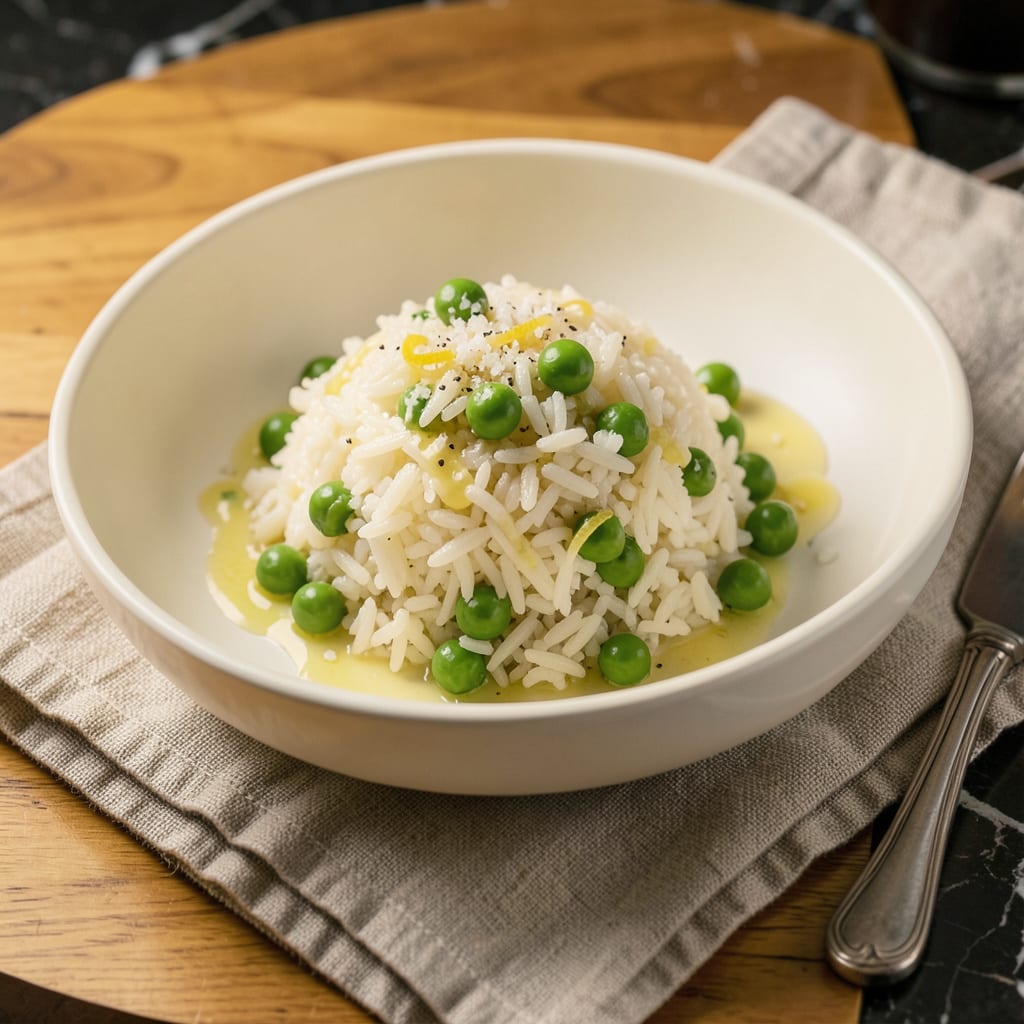
I’ll be real with you—adding frozen peas to rice seems simple until you end up with mushy peas or undercooked rice. After burning through more batches than I’d like to admit, I finally cracked the timing code for perfectly fluffy rice with peas that stay bright and tender. The secret? It’s all about when those little green guys hit the pot.
Here’s the thing—frozen peas cook in under a minute, so timing matters. Add them too early and you get sad, gray peas. Too late, and they’re still frozen. I’ve tested this with white rice, brown rice, even basmati, and the sweet spot is always 5 minutes before your rice finishes. That’s just enough time for the peas to warm through without turning to mush.
What you’ll end up with is rice that’s light and separate, studded with vibrant green peas that pop with sweetness. No gummy texture, no weird aftertaste—just a simple side that actually tastes like it came from a restaurant. And the best part? This method works whether you’re using a pot on the stove or a rice cooker.
Between you and me, this isn’t just about peas and rice. It’s your blank canvas—toss in some garlic, maybe a pinch of herbs, or even crumbled feta if you’re feeling fancy. The technique stays the same, but the flavor possibilities? Endless. Let’s get that timing right.
📚 In This Guide
- What You’ll Need
- Instructions
- Tips and Common Mistakes
What Youll Need
- ● Rice: 1 cup (long-grain white, jasmine, or basmati for best results) 🌾
- ● Water or broth: 2 cups (adjust based on rice type; check package instructions)
- ● Frozen peas: ½ to ¾ cup (no need to thaw—straight from the freezer!) ❄️
- ○ Salt: ½ tsp (or to taste; optional but recommended)
- ○ Butter or oil: 1 tbsp (optional, for extra richness)
- ● Medium saucepan (with a tight-fitting lid)
- ● Measuring cups and spoons
- ● Fork (for fluffing rice)
- ● Timer (or your phone’s stopwatch) ⏰ Prerequisites: Rinsed rice (if using white rice, rinse until water runs clear to remove excess starch)
- ● Frozen peas (keep frozen until ready to use—no pre-thawing!)
- ● Stovetop or rice cooker (both work, but timing varies slightly)
Instructions
Here’s exactly when and how to add those peas for perfectly fluffy rice every time.
Cook the Rice Until Halfway Done
Start by cooking your rice according to your preferred method—whether that’s stovetop, rice cooker, or instant pot. The key is to add the peas when the rice is about halfway through its cooking time. For white rice, this is typically after 8-10 minutes of simmering.
You’ll notice the rice grains will have absorbed most of the water but still have a slight firmness in the center. At this point, the rice has softened enough to handle the addition of peas without becoming mushy. If you’re using a rice cooker, wait until the cooker switches from “cook” to “warm” mode before adding the peas.
Add the Frozen Peas Without Thawing
Measure out your frozen peas—no need to thaw them first. I like to use about 1 cup of frozen peas for every 2 cups of uncooked rice, but you can adjust based on your preference. Gently sprinkle the peas over the partially cooked rice in an even layer.
Don’t stir them in yet. Instead, let the peas sit on top of the rice for about 30 seconds before giving everything a gentle stir. This brief pause allows the peas to begin warming up from the steam, which helps them cook evenly without turning mushy or breaking apart.
Finish Cooking with Peas
After adding the peas, cover the pot or rice cooker again and let the rice finish cooking. If you’re using the stovetop method, reduce the heat to low and let it simmer for another 5-7 minutes. The peas will steam gently alongside the rice, absorbing just enough moisture to become tender without losing their bright green color.
You’ll know it’s done when the rice is fully cooked and fluffy, and the peas are tender but still retain a slight bite. If you’re unsure, taste a few peas—they should be soft enough to eat but not mushy. If they need a little more time, add a splash of water and cook for another 1-2 minutes.
Fluff and Serve Immediately
Once the rice and peas are fully cooked, remove the pot from the heat and let it sit covered for 2-3 minutes. This resting time allows the steam to redistribute, ensuring every grain of rice is perfectly fluffy and the peas are evenly distributed.
Use a fork to gently fluff the rice and peas together. The peas should be bright green and tender, blending seamlessly into the rice. Serve immediately while hot—the peas will continue to soften slightly as the rice sits, so timing is everything for that perfect texture.
Tips and Common Mistakes
Timing makes all the difference when adding peas to rice. Here’s what I’ve learned from making this countless times.
Perfect Timing: The 8-10 minute mark in Step 1 is crucial. If you add peas too early, they’ll turn mushy and lose their bright color. Too late, and they won’t cook through properly. Look for rice grains that have absorbed most water but still have a firm center – that’s your perfect moment to add peas.
Pea Placement: When you sprinkle the peas in Step 2, don’t stir immediately. That 30-second pause lets them warm gently from the steam before mixing. This prevents the peas from breaking apart and helps them cook evenly. I always use exactly 1 cup of peas for every 2 cups of uncooked rice – this ratio gives perfect distribution without overpowering the rice.
Final Cooking Phase: During the 5-7 minutes in Step 3, keep the heat at low. Higher heat will make the peas tough while the rice finishes. If you notice the rice drying out, add just a splash of water – no more than 2 tablespoons. The resting time in Step 4 is just as important as cooking; those 2-3 minutes let everything settle for that perfect fluffy texture.
Serving Tip: Serve immediately after fluffing. The peas will continue to soften as the rice sits, so timing is everything for that ideal texture where peas are tender but still have a slight bite. If you need to hold it, keep covered for no more than 10 minutes before serving.
Pro Tips for When To Add Frozen Peas To Rice
- Timing makes all the difference when adding peas to rice. Here’s what I’ve learned from making this countless times.
- Perfect Timing: The 8-10 minute mark in Step 1 is crucial. If you add peas too early, they’ll turn mushy and lose the…
- Pea Placement: When you sprinkle the peas in Step 2, don’t stir immediately. That 30-second pause lets them warm gent…
Frequently Asked Questions
Can I add frozen peas directly to uncooked rice?
Yes! Add them during the last 5 minutes of cooking (or when rice has absorbed most water). This prevents mushy peas while letting them steam perfectly. For Instant Pot rice, toss them in after the pressure releases naturally.
What if I forget and add peas too early?
No stress—just check texture. Overcooked peas turn soft and dull green. To fix, drain excess water, fluff the rice, and stir in a splash of lemon juice or butter to brighten flavor. Pro tip: Next time, set a timer!
Can I use fresh or canned peas instead of frozen?
Fresh peas need 2–3 minutes (add at the very end). Canned peas are pre-cooked—just warm them with rice for 1–2 minutes. Frozen is easiest, though, since they’re pre-blanched and hold shape better.
Why do my peas turn gray or mushy in rice?
Gray peas = overcooking or acidic ingredients (like tomato) reacting with them. Mushy peas? Too much moisture. Fix it by: rinsing peas first (if time allows), using less water in rice, or stirring them in post-cook with a pat of butter.
Do peas change the rice-to-water ratio?
Minimally! Frozen peas release a tiny bit of water, but not enough to adjust ratios. If using more than 1 cup peas per 2 cups rice, reduce water by 1–2 tablespoons to compensate. Stick to the 1:2 rice-to-water rule otherwise.
Timing is everything when adding frozen peas to rice—too early and they turn mushy, too late and they stay icy. Now that you know the perfect moment (just 5 minutes before the rice finishes cooking), you’re ready to whip up a vibrant, flavorful dish every time! 🌱
Ready to put this trick to the test? Grab a pot, some rice, and those peas, and start cooking with confidence. For even more rice-perfecting tips, check out our guide on fluffing rice like a pro!

Trained in classic French technique but raised on slow-cooked ribs and spicy rubs, she blends culinary skill with smoke and soul.
- Recipe for Boneless Pork Chops in Cast Iron Skillet: Sear and Baste to Juicy Perfection - October 3, 2026
- Recipe for Boneless Cross Rib Roast: Slow-Roasted Beef with Herb Crust - October 3, 2026
- Hamburgers in Sauce Recipe Crock Pot: Slow-Cooked Savory Delight - October 3, 2026