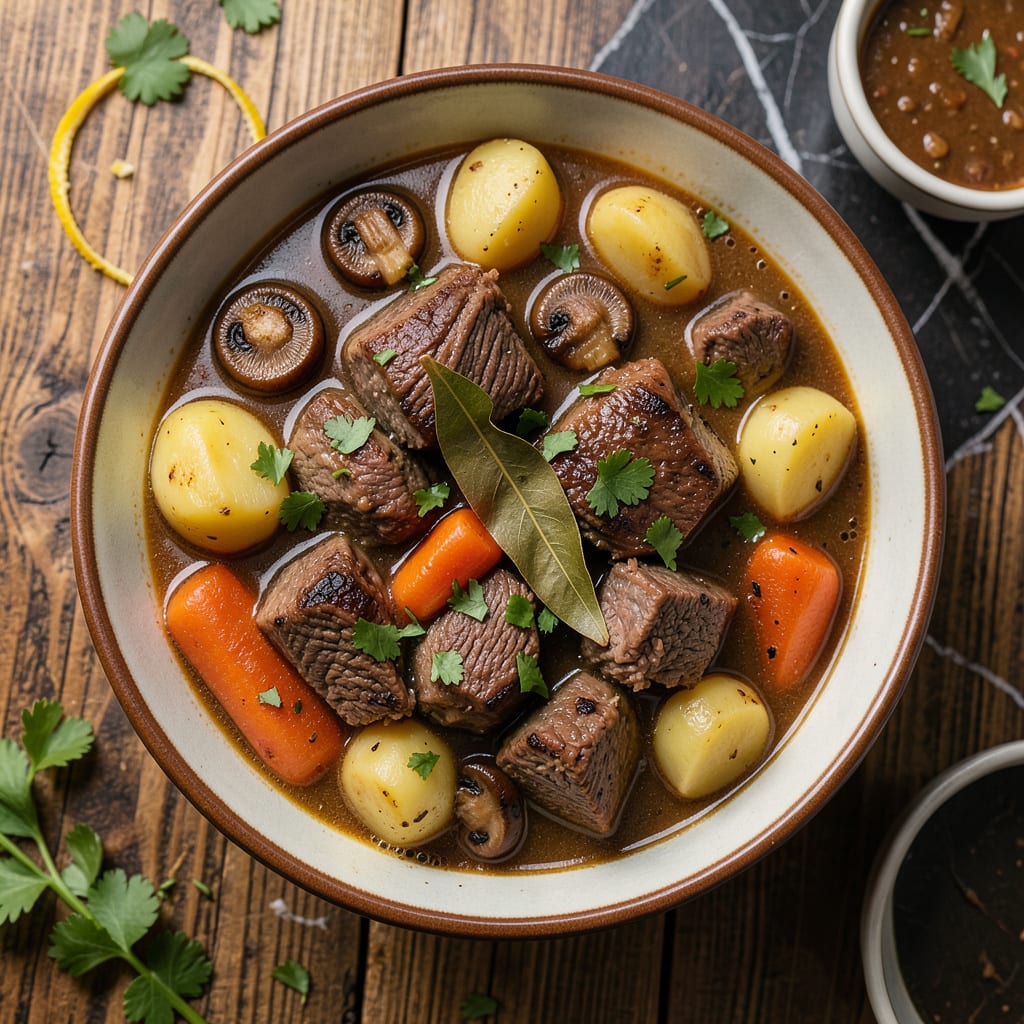
I’ll be real with you: the difference between good beef stew and perfect beef stew often comes down to one simple decision—when to add those mushrooms. Too early and they turn to mush. Too late and they miss the flavor party entirely. After years of testing (and more than a few disappointing batches), I’ve cracked the timing code.
Here’s the thing—mushrooms aren’t just filler; they’re flavor amplifiers. Their earthy umami boosts the beef’s richness while soaking up the stew’s deep, savory broth. But their delicate texture demands careful handling. I slice them thick (about ½ inch) so they hold their shape, then brown them separately before adding. This builds layers of flavor before they even hit the pot.
The game-changer? Adding mushrooms during the last 45 minutes of simmering. This gives them enough time to soften and absorb flavors without disintegrating. By then, the beef is already tender, the broth is rich, and the mushrooms can shine without competing. It’s all about letting each ingredient reach its peak at the right moment.
By the time you ladle this stew into bowls, you’ll have tender beef, a velvety broth, and mushrooms that still have bite—not mushy, not raw, but perfectly in between. The kind of texture that makes every spoonful satisfying. Let’s get that pot simmering the right way.
📚 In This Guide
- What You’ll Need
- Instructions
- Tips and Common Mistakes
What Youll Need
- ● Beef: 2 lbs (900g) chuck roast or stew beef, cut into 1-inch cubes 🥩
- ● Mushrooms: 8 oz (225g) cremini, white button, or shiitake, sliced (or 1 oz dried if using later)
- ● Vegetables: 1 large yellow onion, diced
- ● 3 carrots, chopped into ½-inch pieces
- ● 3 celery stalks, chopped
- ● 3 garlic cloves, minced
- ● Liquid Base: 4 cups (950ml) beef broth (low-sodium preferred)
- ○ 1 cup (240ml) red wine (optional, like Cabernet Sauvignon)
- ● Seasonings & Herbs: 2 tbsp tomato paste
- ● 2 tsp Worcestershire sauce
- ● 1 tsp dried thyme (or 2 sprigs fresh)
- ● 2 bay leaves
- ● Salt & black pepper to taste
- ● Tools: Dutch oven (5-6 quart) or heavy pot with lid
- ● Wooden spoon for stirring
- ● Sharp knife & cutting board
- ● Measuring cups/spoons
- ○ Tongs (optional, for browning beef)
- ○ Optional Upgrades: 1 tbsp balsamic vinegar (for depth)
- ● 1 parsnip, chopped (extra sweetness)
- ● 1 tsp smoked paprika (for a hint of smokiness)
Instructions
Here’s the foolproof method I use to get mushrooms that are tender, flavorful, and perfectly integrated into your stew.
Start with Proper Mushroom Prep
Before you even think about adding mushrooms to your stew, you need to prepare them correctly. I always clean my mushrooms with a damp paper towel rather than rinsing them—this prevents them from absorbing too much water, which would make them soggy later. Trim any tough stems and slice them into even, bite-sized pieces.
For best results, use cremini or white button mushrooms. Their mild flavor absorbs the stew’s richness beautifully. If you’re using wild mushrooms like shiitake, remove the stems first—they can be tough. The key here is uniform size; you want all pieces to cook evenly and provide consistent texture in every bite.
Brown the Mushrooms Separately First
Here’s the secret step most people skip: brown your mushrooms in a separate pan before adding them to the stew. Heat a tablespoon of oil in a skillet over medium-high heat and add your prepped mushrooms in a single layer. Don’t crowd the pan—work in batches if needed. Let them cook undisturbed for 3-4 minutes until they develop a deep golden color on one side.
This browning process develops the mushrooms’ natural umami flavors through the Maillard reaction. You’ll know they’re ready when they’ve released their moisture and it’s evaporated, leaving you with concentrated, nutty-tasting mushrooms. At this point, they’ll have shrunk by about half—their flavor is now intensified and ready to enhance your stew.
Add at the Right Moment in Cooking
The perfect time to add your browned mushrooms is about 30 minutes before your stew finishes cooking. This timing ensures they maintain their texture while absorbing the stew’s flavors. If you’re making a classic beef stew that simmers for 2-3 hours, add the mushrooms during the last 30-45 minutes of cooking time.
Gently stir them into the stew and let them simmer uncovered. You’ll notice they’ll initially float at the top, then gradually absorb some of the liquid and become perfectly tender. The mushrooms should be soft but still hold their shape when pierced with a fork—this is your ideal texture. If they’re mushy, they were added too early; if still firm, they need more time.
Finish and Adjust for Perfect Balance
Once the mushrooms have simmered for 30 minutes, taste your stew. The mushrooms should have contributed a deep, earthy richness to the broth. If the flavor seems flat, add a pinch of salt or a splash of Worcestershire sauce to enhance the umami notes. The mushrooms will have absorbed some of the stew’s liquid, so check the overall consistency.
If the stew has thickened too much from the mushrooms releasing their moisture, add a little hot beef broth to reach your desired consistency. Let everything simmer together for another 5-10 minutes to marry the flavors. The mushrooms should now be perfectly tender, the broth rich and well-balanced, and the entire dish ready to serve with those beautiful mushroom pieces distributed throughout.
Tips and Common Mistakes
These simple but powerful techniques will transform your stew from good to restaurant-quality every single time.
The Browning Secret: In Step 2, don’t rush the 3-4 minutes of browning at medium-high heat. This is where the magic happens—the Maillard reaction creates deep, meaty flavors that plain mushrooms just can’t deliver. I always wait until I see that deep golden color and hear the sizzle reduce to a gentle hiss before stirring. The mushrooms should shrink by about half, which means their flavor has concentrated perfectly.
Timing is Everything: The 30-45 minute window in Step 3 isn’t arbitrary. Adding mushrooms too early turns them to mush, while adding them too late leaves them rubbery. I set a timer for 30 minutes before my stew’s finish time, then check texture at the 30-minute mark. They should be soft but still hold their shape when pierced with a fork—this is your perfect texture sweet spot.
Consistency Control: After the mushrooms have simmered for their 30 minutes, you might notice the stew has thickened. This is normal—the mushrooms release moisture then reabsorb it. I always keep hot beef broth on hand to adjust the consistency during those final 5-10 minutes of simmering. Add it gradually, about ¼ cup at a time, until you reach your ideal thickness.
Flavor Boost: When you taste your stew after the mushrooms have cooked, if the flavor seems flat, don’t just reach for salt. A splash of Worcestershire sauce (about 1 teaspoon) enhances the umami notes the mushrooms bring. I also like to finish with a sprinkle of fresh parsley right before serving—it brightens up all those rich, earthy flavors.
Pro Tips for When To Add Mushrooms To Beef Stew
- These simple but powerful techniques will transform your stew from good to restaurant-quality every single time.
- The Browning Secret: In Step 2, don’t rush the 3-4 minutes of browning at medium-high heat. This is where the magic h…
- Timing is Everything: The 30-45 minute window in Step 3 isn’t arbitrary. Adding mushrooms too early turns them to mus…
Frequently Asked Questions
Got questions about adding mushrooms to your beef stew? You’re not alone! Here are the most common queries—and quick answers—to help you nail that cozy, flavor-packed dish.
1. Can I add mushrooms at the same time as the beef?
Nope! Mushrooms cook faster and can turn mushy if added too early. Brown them separately (after searing the beef) for 5–7 minutes to lock in flavor, then set aside. Add them back 30–40 minutes before serving to keep them tender but intact.
2. What if I forget and add mushrooms too late (or too early)?
Too late? Toss them in raw during the last 20 minutes—they’ll soften but stay firm. Too early? Fish them out with a slotted spoon, sauté separately, and return later. Crisis averted!
3. Do I need to pre-cook mushrooms before adding them?
Yes! Sautéing mushrooms first (in butter or oil) removes excess moisture, deepens their umami flavor, and prevents a watery stew. Skip this step, and you risk a bland, soggy texture.
4. Can I use canned or frozen mushrooms instead of fresh?
You can, but fresh is best for texture. If using canned, drain and rinse well, then sauté to remove tinny flavors. Frozen? Thaw and pat very dry before cooking to avoid extra liquid. Pro tip: Cremini or shiitake hold up better than white buttons!
5. Why did my mushrooms disappear into the stew?
Overcooking or small dice = mushroom melt! Cut them into thick slices or quarters and add them later in the process. For heartier stews, try portobellos—they stay meaty even after long simmering.
Timing is everything when adding mushrooms to beef stew—early for deep flavor, later for tender texture. 🌟 Whether you prefer them meltingly soft or slightly firm, a little patience ensures they shine in every bite. Now that you’ve mastered the technique, why not experiment with wild mushrooms or a splash of red wine for extra depth? Grab your spoon and try this foolproof beef stew recipe to put your new skills to the test!

Trained in classic French technique but raised on slow-cooked ribs and spicy rubs, she blends culinary skill with smoke and soul.
- Recipe for Boneless Pork Chops in Cast Iron Skillet: Sear and Baste to Juicy Perfection - October 3, 2026
- Recipe for Boneless Cross Rib Roast: Slow-Roasted Beef with Herb Crust - October 3, 2026
- Hamburgers in Sauce Recipe Crock Pot: Slow-Cooked Savory Delight - October 3, 2026