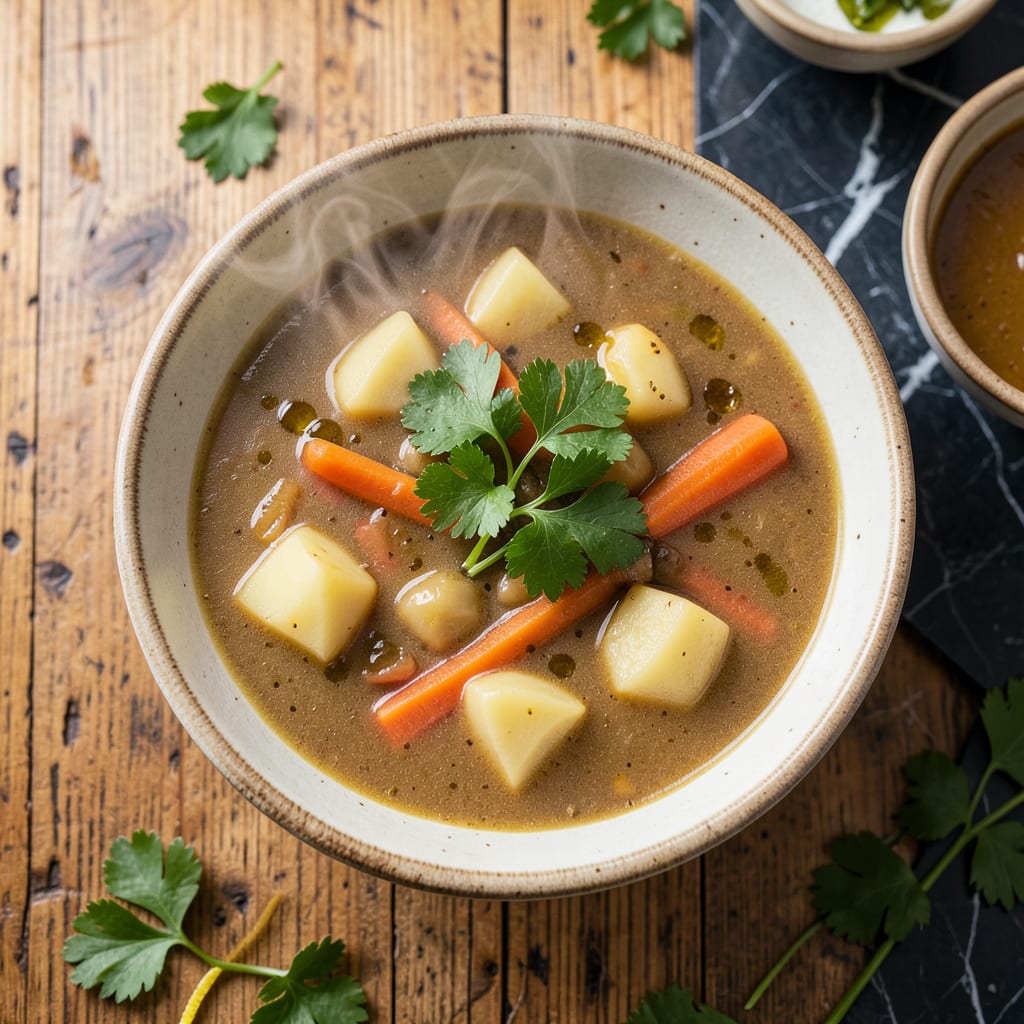
I’ll be real with you—parsley isn’t just a pretty garnish. That bright green herb can make or break your soup’s flavor if you add it at the wrong time. Fresh parsley added too early turns dull and bitter, while dried parsley needs time to wake up. After burning through more batches of minestrone than I care to admit, I finally cracked the code for when to add each type.
For fresh parsley, timing is everything. Toss it in during the last 2-3 minutes of cooking—just enough heat to soften the leaves while keeping that vibrant color and fresh flavor. I like to sprinkle it over individual bowls right before serving too, so every bite gets that bright, herbaceous punch. It’s the difference between “meh” soup and restaurant-quality depth.
Dried parsley plays by different rules. Since those flakes need time to rehydrate and release their flavor, add it early with your aromatics (onions, garlic, carrots). By the time your soup simmers, those tiny specks will have infused the broth with subtle earthiness. Pro tip: Bloom dried parsley in hot oil for 30 seconds before adding liquid—it’s a game-changer.
Here’s where it gets interesting—this isn’t just about parsley. Master this timing, and you’ll know exactly when to add delicate herbs like cilantro or basil to any dish. The right moment transforms good soup into something people will ask for again and again.
📚 In This Guide
- What You’ll Need
- Instructions
- Tips and Common Mistakes
What Youll Need
- ● Fresh parsley: ¼ to ½ cup flat-leaf (Italian) parsley, finely chopped (or 2–3 tbsp dried parsley in a pinch 🌿). Pro tip: Avoid curly parsley—it’s less flavorful!
- ● Soup base: 4–6 cups of your favorite broth (homemade or store-bought—low-sodium preferred to control seasoning).
- ○ Aromatics: 1 small onion (diced), 2 garlic cloves (minced), and 1–2 carrots/celery stalks (optional but recommended for depth 🥕).
- ● Cooking tools: Medium-sized pot (3–4 quarts) with a lid.
- ● Sharp chef’s knife + cutting board (for prep 🔪).
- ● Wooden spoon or silicone spatula (to stir gently).
- ● Ladle (for tasting and serving).
- ○ Optional upgrades: 1 tbsp olive oil or butter (for sautéing aromatics).
- ● 1 bay leaf or sprig of thyme (for extra herbaceous notes).
- ● Lemon zest (½ tsp) to brighten flavors alongside parsley.
- ● Prerequisites: Basic knife skills and 10–15 minutes of prep time. Patience to taste as you go! ⏳
Instructions
Timing is everything when it comes to adding parsley—here’s exactly when and how to do it right.
Choose the Right Type of Parsley
Before you even think about timing, make sure you’re using the right variety. Flat-leaf parsley (also called Italian parsley) is my go-to for soups because it has a more robust flavor than curly parsley. The flat leaves also hold up better during cooking and provide a cleaner taste.
Give your parsley a quick rinse under cold water and pat it completely dry with paper towels. Wet herbs will dilute your soup’s flavor and can make it look watery. I like to chop it just before adding—this preserves the bright green color and fresh flavor.
Add Stemmed Parsley Early for Depth
Here’s a professional trick: separate the parsley stems from the leaves. Those stems are packed with flavor and can be added much earlier in the cooking process. Tie them together with kitchen twine or just toss them whole into your soup pot during the first 30 minutes of simmering.
The stems will infuse the broth with a subtle herbal note without overpowering it. I always remove them before serving—just fish them out with tongs or a slotted spoon. This technique gives you that restaurant-quality depth of flavor that makes people wonder what your secret is.
Add Chopped Leaves at the Very End
This is where most home cooks go wrong—they add parsley too early. For maximum freshness and color, stir in your chopped parsley leaves during the last 2-3 minutes of cooking. The heat will just barely wilt the leaves while preserving their bright green color and fresh flavor.
If you’re making a clear broth soup, add the parsley after you’ve turned off the heat. The residual heat will be enough to soften the leaves slightly without cooking them. For cream-based soups, stir it in right before serving. You want that fresh herbal note to be the last flavor you taste in each spoonful.
Use as a Garnish for Maximum Impact
For the brightest flavor and most beautiful presentation, reserve some chopped parsley to sprinkle on individual bowls just before serving. This final touch adds a pop of color and a burst of freshness that elevates the entire dish.
I like to use a mix of finely chopped and whole small leaves for visual interest. If you’re serving the soup with crusty bread or croutons, sprinkle some parsley on those too—the flavor will complement perfectly. Remember, parsley isn’t just decoration; it’s the finishing touch that makes your soup taste complete.
Tips and Common Mistakes
Getting the timing right with parsley can transform your soup from good to restaurant-quality. Here’s what I’ve learned from years of perfecting this simple but crucial technique.
Stem Timing Secret: Those 30 minutes of simmering with parsley stems in Step 2 aren’t arbitrary—they’re when the stems release their aromatic oils into the broth. I’ve found that removing them right at the 30-minute mark prevents any bitterness from developing while still giving you that layered herbal depth. If you’re making a particularly rich broth, you can even extend this to 40 minutes, but don’t go beyond that or the flavor becomes too assertive.
Leaf Freshness Technique: The 2-3 minute window in Step 3 is your golden opportunity. When you add the chopped leaves at this precise moment, they soften just enough to blend into the soup while retaining their vibrant color and fresh flavor. I always set a timer for exactly 2 minutes—any longer and you’ll lose that bright green pop that makes the dish look as good as it tastes. For clear broths, adding after turning off the heat (as mentioned in the instructions) gives you the most delicate herbal finish.
Garnish Pro Tip: The garnish in Step 4 isn’t just decorative—it’s your final flavor boost. I like to chop the garnish parsley slightly coarser than what goes into the soup itself. This gives each bite a little textural contrast and ensures you actually taste the parsley rather than just seeing it. A quick trick: rub a tiny bit of lemon zest into your garnish parsley before sprinkling—it makes the green color even more vibrant and adds a subtle brightness.
Preparation Insight: Here’s what changed my soup game: prepping all your parsley before you start cooking. Separate stems from leaves immediately, chop the leaves, and keep them in separate small bowls. This way, when you hit that 30-minute mark for stems and those final 2-3 minutes for leaves, you’re not scrambling. I also keep my garnish parsley in a damp paper towel in the fridge until the very last moment to maintain maximum freshness.
Pro Tips for When To Add Parsley To Soup
- Getting the timing right with parsley can transform your soup from good to restaurant-quality. Here’s what I’ve learn…
- Stem Timing Secret: Those 30 minutes of simmering with parsley stems in Step 2 aren’t arbitrary—they’re when the stem…
- Leaf Freshness Technique: The 2-3 minute window in Step 3 is your golden opportunity. When you add the chopped leaves…
Frequently Asked Questions
Got questions about timing parsley in your soup? You’re not alone! Here are the most common queries—with quick, actionable answers to keep your soup game strong.
Can I add parsley at the start of cooking instead of the end?
Nope! Parsley’s delicate flavor fades with long cooking. Add it fresh in the last 1–2 minutes (or as a garnish) to preserve its bright, herby punch. If using dried parsley, add it 10–15 minutes before serving for better infusion.
What if I forget to add parsley until the soup is already served?
No stress! Sprinkle chopped parsley on top of each bowl just before eating. The heat from the soup will release its aroma, and the fresh texture adds a nice contrast. Better late than never!
Can I use dried parsley instead of fresh? What’s the ratio?
Yes, but fresh is best for flavor. Swap 1 tbsp fresh parsley = 1 tsp dried. Since dried parsley is less potent, add it earlier (10–15 minutes before serving) to rehydrate and blend into the broth.
Why does my parsley turn bitter or dark in soup?
Overcooking is the culprit! Parsley turns bitter if boiled too long. To keep it vibrant, stir it in off-heat or right before serving. If using stems (for stock), remove them after 20–30 minutes to avoid bitterness.
Are there good parsley alternatives if I don’t have any?
Absolutely! Try:
- Cilantro (bright, citrusy)
- Chives (mild onion flavor)
- Dill (great for creamy soups)
- Basil (sweet, aromatic—add at the end)
Timing is everything when it comes to adding parsley to soup! 🌿 By stirring in fresh parsley at the end of cooking, you preserve its vibrant color and bright flavor, while dried parsley benefits from a longer simmer. Don’t be afraid to experiment—whether you’re garnishing a hearty stew or finishing a delicate broth, parsley can elevate your dish with minimal effort.
Now that you’ve mastered the art of parsley timing, why not try it in your next soup recipe? Grab a spoon, taste as you go, and let that fresh, herby touch shine! 🥄✨

Trained in classic French technique but raised on slow-cooked ribs and spicy rubs, she blends culinary skill with smoke and soul.
- Recipe for Boneless Pork Chops in Cast Iron Skillet: Sear and Baste to Juicy Perfection - October 3, 2026
- Recipe for Boneless Cross Rib Roast: Slow-Roasted Beef with Herb Crust - October 3, 2026
- Hamburgers in Sauce Recipe Crock Pot: Slow-Cooked Savory Delight - October 3, 2026