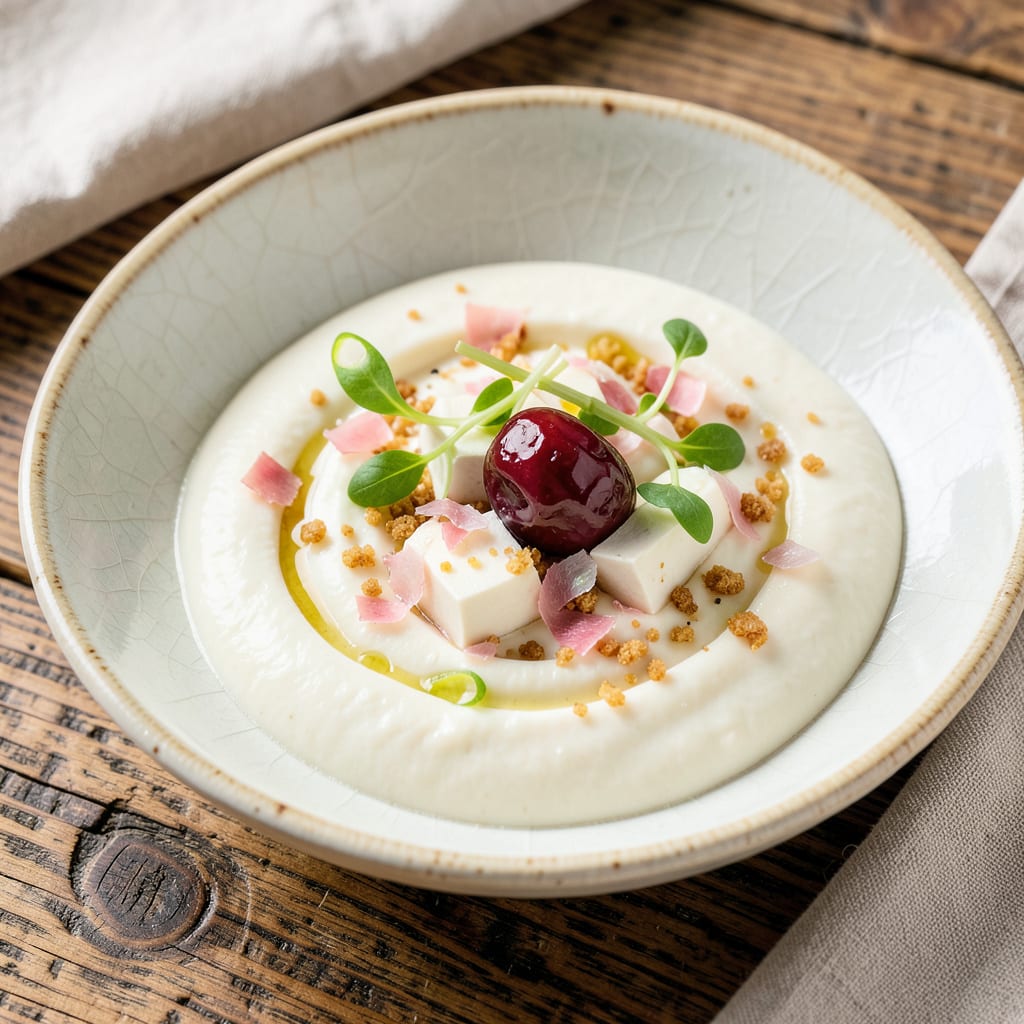
White miso is a fermented Japanese soybean paste with a mild, slightly sweet, and nutty flavor. Lighter in color and saltiness than red miso, it’s made with a higher rice content and shorter fermentation, making it versatile for dressings, soups, and marinades.
I love working with this ingredient because it bridges the gap between umami depth and approachable flavor. The shorter fermentation period (usually 1-3 months) preserves its delicate sweetness, while the rice koji gives it a velvety texture that blends seamlessly into sauces. 🔥 Unlike its bolder red counterpart, white miso won’t overpower dishes—it enhances them with subtle complexity, which is why I reach for it when balancing rich ingredients like pork belly or earthy mushrooms.
What sets it apart in my kitchen is its adaptability beyond traditional Japanese recipes. A spoonful transforms ordinary butter into a nutty spread for corn, elevates roasted vegetables with caramelized edges, and even adds depth to chocolate desserts when used sparingly. The key is understanding its low-sodium concentration—this allows you to layer flavors without worrying about excessive saltiness.
💡 In This Article
- How White Miso Fermentation Affects Its Flavor and Texture
- Top 5 Ways to Cook with White Miso in Everyday Dishes
How White Miso Fermentation Affects Its Flavor and Texture
The magic starts with Aspergillus oryzae, the koji mold that transforms steamed rice into a sweet, enzyme-rich starter. This culture breaks down the rice’s starches into simple sugars while producing proteases that later soften the soybeans.
The ratio here is critical—white miso uses 2-3 parts rice koji to 1 part soybeans, compared to red miso’s 1:1 balance. This higher rice content gives it that signature pale hue and milder taste.
Fermentation duration makes all the difference. White miso ages for just 1-3 months in cedar vats, while red miso might ferment for years. The shorter process preserves delicate flavors and prevents excessive salt concentration (white miso contains 5-7% salt versus red’s 10-13%). The result?
A paste with 50-60% moisture content that feels almost creamy on the tongue, unlike the denser, grainier texture of longer-fermented varieties. ✨
Temperature control during fermentation is what creates that perfect balance. Traditional producers maintain vats at 77-86°F to encourage steady enzyme activity without accelerating salt penetration. I’ve noticed that when the process runs too warm, the miso develops harsh notes; too cool, and it stays flat.
The ideal conditions let lactic acid bacteria thrive, contributing subtle fruity undertones that distinguish premium white miso from mass-produced versions.
Here’s what most people miss about the texture: the rice koji’s enzymes don’t just ferment—they create microscopic air pockets. This gives white miso its smooth, almost whipped consistency that blends effortlessly into liquids. When you stir it into broth, these pockets help distribute flavor molecules more evenly than chunkier miso varieties.
The science explains why it emulsifies so beautifully in dressings without separating. 🔥
The aging environment matters too. Cedar vats aren’t just traditional—they’re functional. The wood’s natural tannins interact with the miso, adding faint vanilla-like aromas while its breathability prevents unwanted bacterial growth. Modern plastic fermentation tanks can’t replicate this nuance, which is why artisanal white miso often has more complex layers of sweetness and umami.
What this means for your cooking: the gentle fermentation process creates a paste that won’t overpower delicate ingredients. A tablespoon of white miso enhances 1 cup of broth without dominating, while the same amount of red miso would make the dish taste aggressively salty.
The texture also means it incorporates more uniformly—no grainy bits to disrupt silky sauces or custards. 💫

Trained in classic French technique but raised on slow-cooked ribs and spicy rubs, she blends culinary skill with smoke and soul.
- Sanjeev Kapoor Egg Biryani Recipe: Fragrant Spiced Rice With Boiled Eggs - October 3, 2026
- Recipe for French Pork Spread Gorton: Savory Gallic Flavors in a Spreadable Delight - October 3, 2026
- Recipe for Pan Fried: Golden Crust with Savory Depth - October 3, 2026