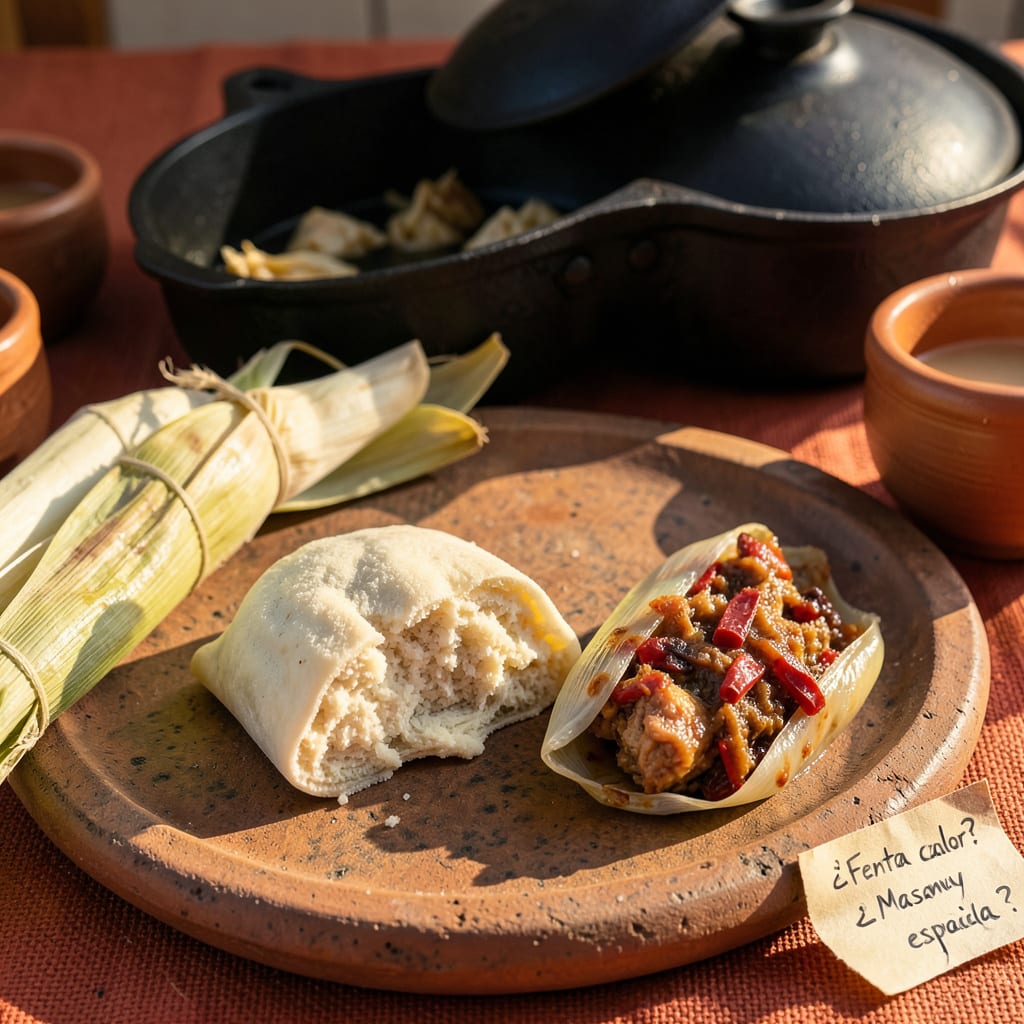
Tamales may not cook properly due to insufficient steam, low heat, overpacking the pot, or using dry masa. Ensure proper water levels, tight lid sealing, and adequate cooking time for even heat distribution.
I’ve seen many cooks struggle with tamales that just won’t set, and the culprit is often hidden in the details. The masa’s moisture level plays a huge role—if it’s too dry, the dough won’t soften properly, even with perfect steam. 🔥 Another sneaky issue is pot overcrowding, which blocks steam circulation and creates cold spots. Think of it like a traffic jam in your steamer: if tamales are packed too tightly, heat can’t reach every layer evenly.
What most people overlook is the lid seal. A loose lid lets precious steam escape, turning your cooking environment into a sauna with the door open. I always check for a tight seal and add extra water mid-cook if needed—this small adjustment can mean the difference between gummy centers and perfectly fluffy tamales. ✨
💡 In This Article
- Key Reasons Tamales Fail to Cook Evenly
- Step-by-Step Fixes for Undercooked Tamales
Key Reasons Tamales Fail to Cook Evenly
The science behind tamale cooking hinges on consistent steam penetration. When your pot lacks proper water levels (aim for 2-3 inches of boiling water), the steam can’t circulate effectively, leaving the outer tamales cooked while the center stays raw.
I’ve found that using a pot too small for your batch creates a “steam shadow” effect—areas where condensation drips back down instead of enveloping all tamales evenly.
Masa consistency is your secret weapon. The ideal dough should feel like thick cake batter—if you press a finger into it, the indentation should hold for 2-3 seconds before slowly filling in. Too dry, and the starch granules won’t gelatinize properly; too wet, and you’ll get gummy pockets. My trick?
Test by dropping a spoonful into water—it should float within 10-15 seconds if the fat-to-masa ratio is correct.
Heat distribution plays a bigger role than most realize. A pot packed with 20+ tamales creates cold zones where steam can’t reach. I arrange mine vertically like a tepee, leaving 1-inch gaps between each. The lid must seal tightly—cover it with a damp towel if needed to trap steam.
Remember, aluminum foil conducts heat better than stainless steel, so your pot material affects cooking time by up to 20 minutes.
Here’s what’s actually happening during cooking: The steam’s heat causes the masa’s starch to absorb moisture and swell, while the fat (lard or oil) creates air pockets for that signature fluffy texture. Without proper steam pressure (212°F/100°C at sea level), these reactions stall.
At high altitudes, you’ll need 15-20% more cooking time because water boils at lower temperatures.
Consider these common pitfalls I’ve seen in kitchens:
- Uneven layers: Filling that’s too thick (> 1/4 inch) insulates the masa from steam
- Cold ingredients: Using refrigerated broth or lard drops the pot temperature by 15-20°F, extending cook time
- Overstuffed husks: More than 1/3 cup masa per tamale creates dense centers that resist cooking
The fix often lies in patience and observation. Perfect tamales require maintaining that delicate balance where steam can penetrate every layer without drying out the exterior. I always recommend the “coin test”—when a tamale’s husk pulls away cleanly and the masa springs back when pressed, you’ve hit the sweet spot. 💛

Trained in classic French technique but raised on slow-cooked ribs and spicy rubs, she blends culinary skill with smoke and soul.
- Recipe for Boneless Pork Chops in Cast Iron Skillet: Sear and Baste to Juicy Perfection - October 3, 2026
- Recipe for Boneless Cross Rib Roast: Slow-Roasted Beef with Herb Crust - October 3, 2026
- Hamburgers in Sauce Recipe Crock Pot: Slow-Cooked Savory Delight - October 3, 2026