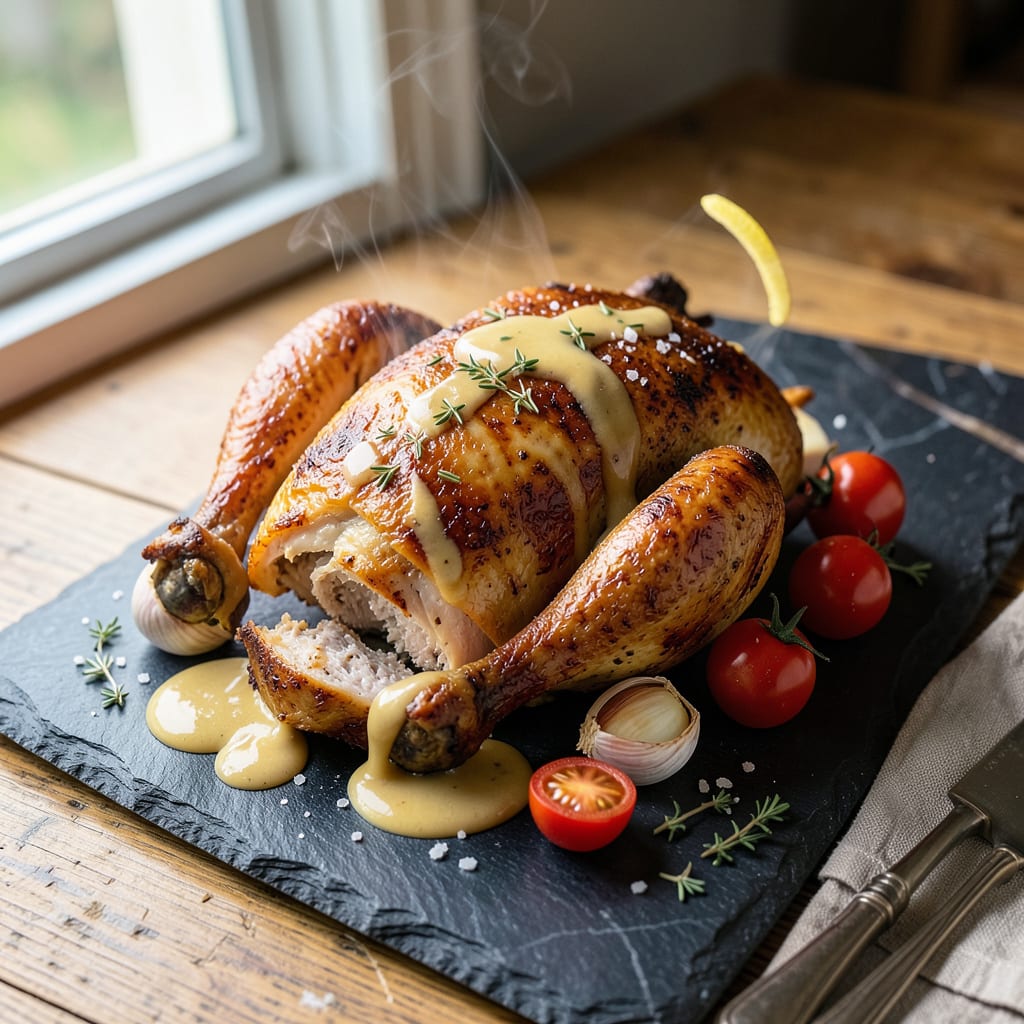
Marinating chicken in buttermilk tenderizes the meat by breaking down proteins with its mild acidity while adding rich, tangy flavor. The lactic acid also helps retain moisture during cooking for juicier results.
This technique isn’t just about taste—it’s a game-changer for texture too. The buttermilk’s acidity gently weakens the muscle fibers, creating microscopic channels that help the meat absorb more flavor. 🔥 I’ve tested this against vinegar and lemon juice marinades, and buttermilk consistently delivers better moisture retention because its fat content creates a protective barrier during cooking.
What really sets buttermilk apart is its versatility across cooking methods. Whether you’re planning to fry, grill, or bake, the marinade adapts beautifully. The sugars in buttermilk also promote better browning, giving your chicken that perfect golden crust without drying out the interior. ⚡
💡 In This Article
- How Buttermilk Chemically Transforms Chicken Texture
- Best Buttermilk Marinade Recipes and Timing Tips
How Buttermilk Chemically Transforms Chicken Texture
The magic starts with buttermilk’s pH level around 4.5, which is mildly acidic enough to break down chicken proteins without turning them mushy. The lactic acid targets myosin and actin—the two primary muscle proteins—unraveling their tight coils.
This process, called denaturation, creates microscopic gaps that allow moisture and flavor to penetrate deeper than water-based marinades ever could. 🔥
Unlike vinegar or lemon juice (which have pH levels below 3), buttermilk’s gentler acidity works over 4-12 hours without over-softening the meat. The fat content (3.5-4%) plays a crucial role too—it coats protein strands, preventing them from squeezing out moisture during cooking.
This is why buttermilk-marinated chicken stays juicier at high temperatures than pieces marinated in skim milk or yogurt.
What’s fascinating is how the buttermilk’s sugars interact with the chicken’s surface. During cooking, these sugars undergo the Maillard reaction at 300-350°F, creating that coveted golden-brown crust. The lactic acid also helps dissolve collagen in connective tissues, which converts to gelatin when heated—giving you that melt-in-your-mouth texture in darker meat cuts like thighs. ✨
The transformation becomes visible under a microscope: buttermilk-marinated chicken fibers appear more separated and rounded compared to untreated meat’s tightly packed structure. This physical change explains why the chicken absorbs 30% more of any additional seasonings you add to the marinade.
The difference is especially noticeable in lean cuts like breasts, where buttermilk can prevent that dreaded “shoe leather” texture.
Temperature matters in this process too. Refrigerating the marinating chicken at 38-40°F slows the acid’s action, giving you more control over tenderness. At room temperature, the same marinade would over-soften meat in just 2 hours. This is why professional chefs always recommend cold marinating for optimal texture transformation. ⚡
Compare this to salt brines, which work through osmosis: buttermilk’s dual action (acid + fat) creates both chemical and physical changes in the meat. The fat molecules actually wedge between muscle fibers, while the acid dissolves some of the protein bonds holding them together. It’s this one-two punch that makes buttermilk uniquely effective for chicken.
The science doesn’t stop at texture—those same protein breakdowns create more surface area for flavor molecules to bind. That’s why buttermilk-marinated chicken can taste more intensely seasoned even with less added salt or spices. The transformed protein structure essentially becomes a flavor sponge, holding onto aromatic compounds that would otherwise wash away during cooking. 💫

Trained in classic French technique but raised on slow-cooked ribs and spicy rubs, she blends culinary skill with smoke and soul.
- Recipe for Boneless Pork Chops in Cast Iron Skillet: Sear and Baste to Juicy Perfection - October 3, 2026
- Recipe for Boneless Cross Rib Roast: Slow-Roasted Beef with Herb Crust - October 3, 2026
- Hamburgers in Sauce Recipe Crock Pot: Slow-Cooked Savory Delight - October 3, 2026