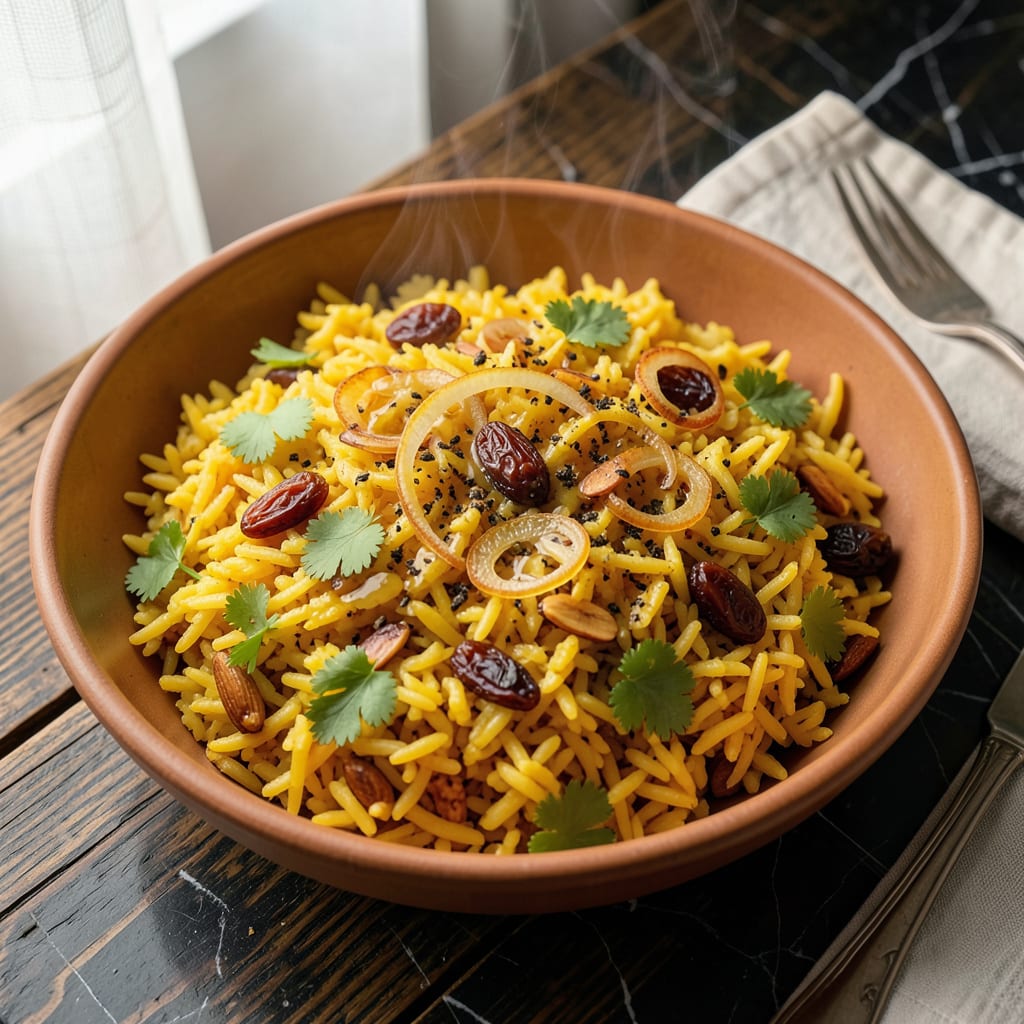
Yellow rice gets its golden hue primarily from turmeric, a bright spice commonly used in cooking. Saffron, annatto, or curry powder can also create the color, depending on regional recipes and culinary traditions.
As a chef who’s worked with spices from every corner of the world, I can tell you this vibrant color isn’t just about looks—it’s a flavor story. The curcuminoids in turmeric react with heat to deepen that golden tone, while saffron’s crocin compounds create a more delicate, sunset-like shade. What’s fascinating is how the same dish can transform completely based on which spice you choose. 🔥
I’ve seen this firsthand in my travels—from the earthy, peppery notes of Caribbean yellow rice to the floral complexity of Persian saffron rice. The color intensity even changes with cooking time, which is why I always recommend toasting your spices briefly before adding liquid. This simple step unlocks both deeper flavors and richer hues. ✨
💡 In This Article
- Natural Spices That Give Yellow Rice Its Color
- Cultural Variations of Yellow Rice Around the World
Natural Spices That Give Yellow Rice Its Color
The golden hue in yellow rice comes from specific pigments in spices that react to heat and liquid. Turmeric contains curcuminoids, particularly curcumin, which dissolves in fat and water to create that signature bright yellow. When heated, these compounds become more soluble, intensifying the color.
I’ve noticed that adding turmeric early in cooking (when sautéing onions) gives a deeper hue than adding it later. The difference is striking—like comparing sunshine to pale lemonade. 🔥
Saffron works differently through its crocin and crocetin compounds, which are water-soluble carotenoids. These molecules release their golden-red pigments when steeped in warm liquid, creating that luxurious sunset color. Here’s the kicker: saffron needs 10-15 minutes of steeping to fully release its color, while turmeric shows immediate results.
The cost difference is massive—1 gram of saffron costs what 100 grams of turmeric does, which explains why it’s reserved for special dishes. ✨
Annatto seeds contain bixin and norbixin, carotenoids that create a more orange-yellow tone. Unlike turmeric, annatto’s color develops best in oil-based cooking. I learned this the hard way when making Caribbean rice—simmering the seeds in oil first (not water) gives that vibrant, almost neon yellow that’s characteristic of island cuisine.
The heat stability of these pigments means the color stays bright even after reheating, unlike turmeric which can fade. 💛
Curry powder blends often contain turmeric as the base, but the additional spices like coriander and cumin can mute the yellow slightly. The color intensity depends on the turmeric concentration—standard curry powder has about 20-30% turmeric, while “hot curry” blends might have 40% or more.
This is why Indian yellow rice often has a more muted gold compared to the bright yellow of Latin American versions. The pH of your cooking liquid matters too—acidic ingredients like tomatoes can shift turmeric’s color toward orange. ⚡
Here’s what most home cooks miss: the particle size of your spice affects color distribution. Freshly ground turmeric (with 5-10 micron particles) disperses more evenly than pre-ground store versions (typically 20-30 microns). I always toast whole turmeric root, grind it fresh, and bloom it in oil before adding rice.
This triple technique maximizes both color and flavor extraction. The difference is like comparing a watercolor wash to vibrant acrylic paint. 🌟
Temperature plays a crucial role in color development. Turmeric’s pigments start breaking down above 250°F (121°C), which is why slow-cooked rice maintains brighter color than quickly boiled versions. Saffron, however, needs 180-200°F (82-93°C) to properly infuse. This explains why Persian chefs parboil their saffron rice rather than using high-heat methods.
The science is clear: match your spice to the right temperature range for optimal color. 💫
One pro tip I swear by: add a pinch of baking soda (1/8 teaspoon per cup of rice) when using turmeric. This alkaline environment enhances the yellow pigment by preventing curcumin from degrading. I discovered this trick from Indian restaurant chefs—it’s the secret behind their neon-bright yellow rice that stays vibrant even under heat lamps.
Just don’t overdo it, or you’ll affect the rice texture. The perfect balance creates that eye-catching golden hue that makes yellow rice so irresistible. 🌟

Trained in classic French technique but raised on slow-cooked ribs and spicy rubs, she blends culinary skill with smoke and soul.
- Recipe for Boneless Pork Chops in Cast Iron Skillet: Sear and Baste to Juicy Perfection - October 3, 2026
- Recipe for Boneless Cross Rib Roast: Slow-Roasted Beef with Herb Crust - October 3, 2026
- Hamburgers in Sauce Recipe Crock Pot: Slow-Cooked Savory Delight - October 3, 2026